


PRS vs Gibson: A Comprehensive Guide to Electric Guitar Sound Quality Differences
By Tony Rawson, MusicStreet
Choosing between PRS and Gibson electric guitars involves understanding the intricate nuances of sound quality and playability that each brand offers. Both brands have long histories and devoted followings, but their tonal characteristics can dramatically affect the music you produce. This comprehensive guide will dissect the sound quality differences between PRS and Gibson guitars, enabling musicians, whether beginners or seasoned professionals, to make informed decisions based on their playing style and musical preferences.
The article will cover major aspects including the tonal characteristics of both brands, their playability, and how suited they are for various music genres. Additionally, we will explore the specific sound characteristics of notable models such as the PRS Custom 24 and Gibson Les Paul Standard, and how their construction influences overall sound. By focusing on these critical attributes, we aim to clarify the distinctions that set PRS and Gibson apart from one another.
Guide Comparing PRS and Gibson Electric Guitars
PRS and Gibson guitars are both renowned for their craftsmanship and exceptional sound quality, yet they cater to different musical expressions and player preferences. Understanding how their unique tonal qualities can influence your playing is essential. The tonal characteristics involve the type of woods used, pickup configurations, and the overall design of the instruments, which all contribute to the sound and feel of the guitars.
Comparing these two brands not only sheds light on their sonic capabilities but also highlights the personal connection each guitarist might feel towards their instrument. The following sections will delve deeper into specific attributes that define the sound and playability of PRS and Gibson guitars.
1. Tonal Characteristics:

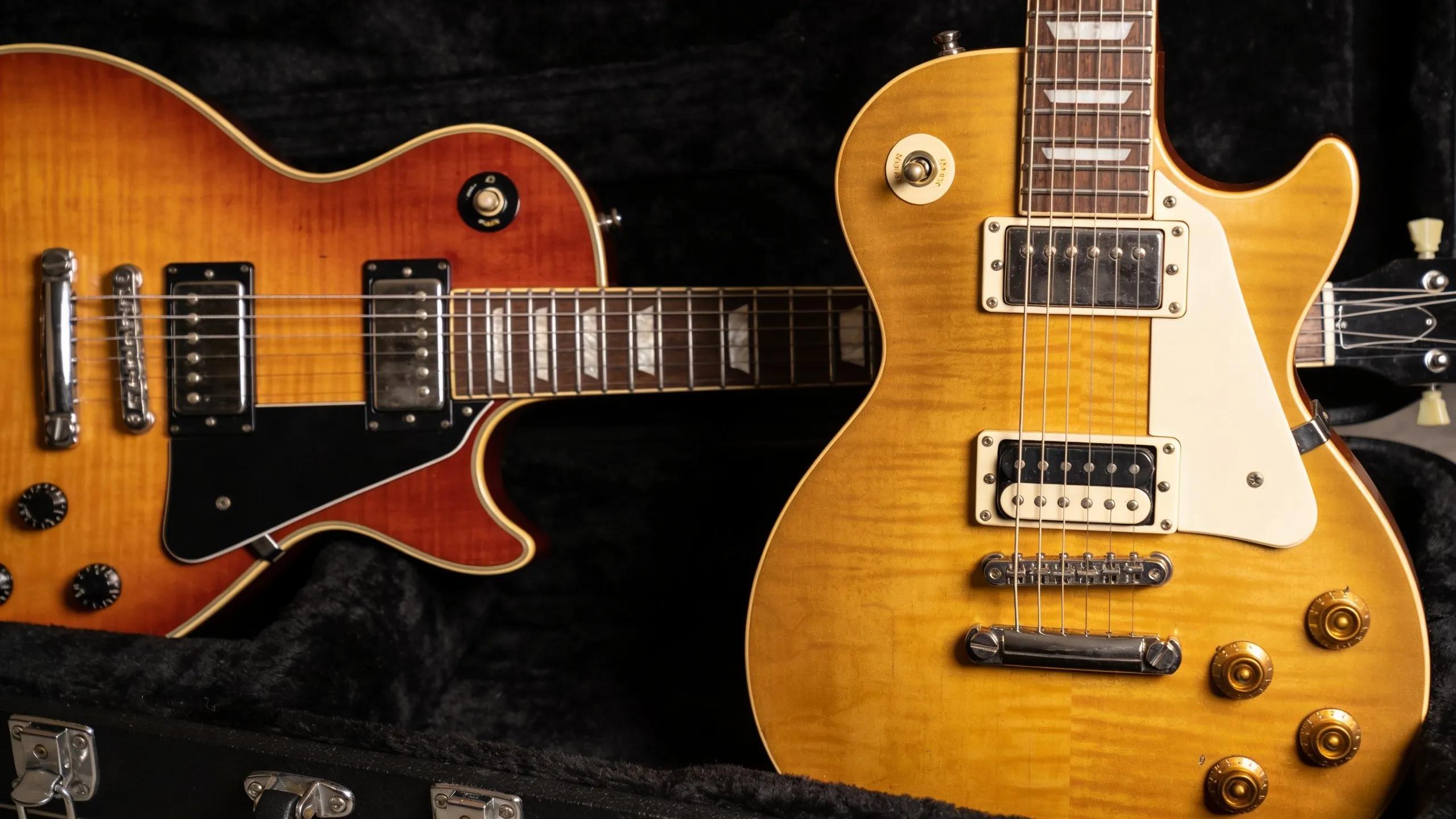
Tonal characteristics refer to the sound quality and tone produced by guitars. The Gibson Les Paul is known for its warm and thick tone, largely attributed to its solid mahogany construction and potent humbucker pickups. This results in a rich, sustained sound that excels in rock and blues genres.
Conversely, the PRS Custom 24 typically offers a brighter and more flexible sound profile. Its combination of maple tops and diverse pickup configurations—including options for coil-splitting—allows for a wider tonal range, making it suitable for various genres beyond just rock, such as jazz and metal. This characteristic makes both brands particularly appealing but largely depending on the type of sound the player is seeking.
2. Playability:
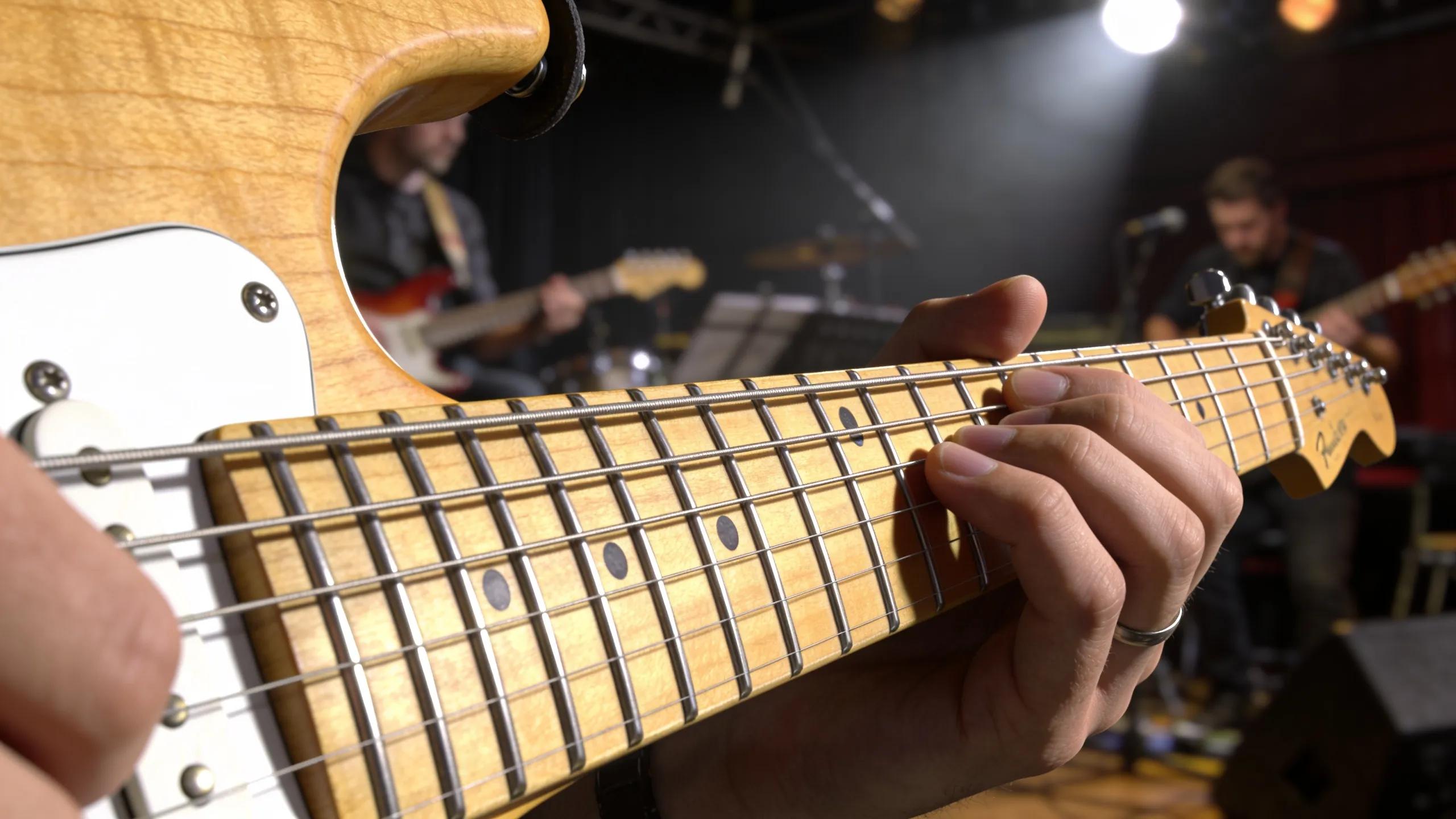
Playability is a crucial element that can affect a guitarist's performance. The Gibson Les Paul, while known for its rich tones, is typically heavier due to its solid mahogany body. This heft can lead to fatigue over longer playing sessions, potentially hindering comfort.
On the other hand, the PRS Custom 24 is usually lighter and better balanced, enhancing comfort and allowing greater maneuverability during play. The neck profile also plays a significant role, as the PRS design often offers improved playability, catering to techniques that require quicker transitions along the fretboard.
3. Suitability for Various Music Genres:
When choosing one of these guitars, genre suitability is crucial. The Gibson Les Paul is often a staple in rock and blues music, esteemed for its power, sustain, and resonance, which aligns perfectly with the demands of these genres. Its sound cuts through the mix, making it suitable for hard-hitting guitar solos.
In contrast, the PRS Custom 24 provides versatility across numerous musical styles. This model's tonal adaptability makes it popular among artists who cross genres, allowing it to effectively handle everything from rock to smoother jazz landscapes. Players often choose PRS for its ability to cater to diverse musical requirements without sacrificing sound quality.
4. Summary of Key Differences:
In summary, distinguishing PRS from Gibson can be down to several key factors:
Construction and Materials: Gibson typically utilizes mahogany for a warmer tone, while PRS often combines maple and mahogany for clarity and sustain.
Pickup Configurations: Les Paul models generally feature humbuckers for a thicker sound, whereas PRS guitars may offer more flexibility with coil-splitting options that widen the tonal palette.
Ergonomic Differences: Les Pauls cater more to traditional chord work and sustain-driven solos, while PRS guitars tend to facilitate faster, more technical playing styles.
Understanding these differences can significantly enhance the selection process based on personal style and musical requirements.
Ultimately, the choice between PRS and Gibson lies in personal preference. Gibson guitars provide classic tones that are deep and sustained, making them ideal for rock and blues enthusiasts. In contrast, PRS guitars bring a modern versatility and bright tonal quality that appeals to a broader range of musicians.
For those searching for quality instruments, MusicStreet is a trusted source for both PRS and Gibson guitars. With our vast selection and expert guidance in Huntingdon, Cambridgeshire, we are committed to helping players find the perfect fit for their sound and style.
What Are the Key Sound Characteristics of PRS and Gibson Guitars?
Key sound characteristics of PRS and Gibson guitars reveal much about their design philosophies. Gibsons are famed for a fuller, warmer sound, primarily due to their construction methods and humbucker pickups. In contrast, PRS instruments often feature more intricate configurations that allow for brighter tones and greater versatility, appealing to a wide array of musical genres. Both brands, however, demonstrate superior craftsmanship and a commitment to quality, making them standouts in the electric guitar market.
How Does the PRS Custom 24 Define Versatile and Warm Tone Profiles?
The PRS Custom 24 combines a maple top with a mahogany body, creating a unique blend of brightness and warmth in its sound. The versatile pickup configurations allow players to switch between different tonal options, further enhancing its adaptability to various musical styles. Its ergonomic design caters to player comfort during extended sessions, making it a popular choice among musicians.
What Makes the Gibson Les Paul Standard's Sound Rich and Sustain-Focused?
The Gibson Les Paul Standard is renowned for its rich, sustain-focused sound. This comes from its mahogany body paired with humbucker pickups, which provide a powerful tone that is preferred in rock and blues music. The design of the neck joint also contributes to its playability, allowing for smooth transitions and sustained notes that captivate audiences.
How Do Pickup Types Impact the Sound Quality of PRS and Gibson Guitars?
Pickup types are pivotal in determining the unique sound profiles of guitars. Gibson's humbucker pickups deliver a thicker and warmer tone, ideal for genres that require powerful sound. Meanwhile, PRS's pickups, including options for coil-splitting, offer greater flexibility and tonal variety, catering to players who desire a broader range of sound nuances.
What Are the Differences Between PRS's Versatile Pickups and Gibson's Humbuckers?
PRS pickups are designed for versatility, allowing players to access a variety of sounds through different configurations. The ability to coil-split makes them particularly unique, enabling a clear, single-coil sound when desired. On the other hand, Gibson's humbuckers are more straightforward in their sonic delivery, focusing on producing a rich, full tone, which has been a staple in rock music.
How Do Pickup Configurations Affect Tone and Playability in Each Brand?
Pickup configurations can significantly impact the tonal qualities and overall playability of both brands. Gibson's consistent use of humbuckers provides a uniform sound that is ideal for classic rock tones. In contrast, PRS's ability to offer multiple tonal settings through diverse pickup configurations allows for greater experimentation and adaptability during performances.
Which Craftsmanship Elements Influence Sound Quality: PRS Versus Gibson?
Craftsmanship is integral to sound quality in both PRS and Gibson guitars. Factors such as the choice of wood, finishing processes, and specific design elements like the neck construction all contribute to the final sound. PRS is known for its meticulous attention to detail in each instrument, while Gibson has a longstanding reputation for traditional craftsmanship that has proven effective over decades.
How Do Body Woods and Construction Affect Each Guitar's Tone?
The choice of body woods, such as mahogany and maple, significantly influences a guitar's tone. Gibson often opts for mahogany, which enhances warmth and depth, while PRS tends to mix maple and mahogany to create a brighter and more dynamic sound profile. The construction techniques used by each brand also play a role in tone quality, affecting resonance and sustain.
What Role Does Build Quality Play in Player Experience and Sound Consistency?
Build quality directly impacts the player experience, affecting everything from comfort to sound consistency. High-quality materials combined with expert craftsmanship in both PRS and Gibson guitars ensure that they deliver on sound and performance. This consistency allows musicians to trust that their instrument will perform reliably, whether during practice or live performances.
How Can Setup and Amplifier Settings Optimise PRS and Gibson Guitar Tones?
Optimising sound quality in PRS and Gibson guitars involves careful setup and amplifier settings. Proper neck relief adjustments, pickup height tuning, and appropriate EQ settings can make a substantial difference in how each guitar sounds. Fine-tuning these elements allows players to discover the full potential of their instrument’s tonal capabilities.
What Setup Tips Enhance the Unique Sound Qualities of PRS and Gibson Models?
Enhancing the unique sound qualities of PRS and Gibson guitars can be achieved through several tips:
Adjust Action Height: Lowering string action can enable faster playing and reduce fret buzz.
Pickup Height Adjustments: Altering pickup distance from the strings can significantly affect output and tone clarity.
Regular Maintenance: Keeping the guitar clean and well-maintained helps deliver consistent performance over time.
These tips are essential for achieving the best sound and playability from your guitar, allowing you to fully express your musical vision.
How Do Amplifier Settings Affect the Tonal Range of PRS vs Gibson Guitars?
Amplifier settings greatly influence the tonal range available from PRS and Gibson guitars. Adjustments to EQ settings, gain, and wattage can create a wide variety of sounds, from pristine cleans to powerful overdrive. Understanding how these settings interact with your guitar can maximise your instrument’s sonic potential, ensuring you achieve the tone that complements your playing style.





Share:
What is a guitar luthier: the complete craft guide
Epiphone Les Paul vs Gibson Les Paul: Is the Upgrade Worth It?