

Few things have shaped modern music as deeply as the guitar, and over 60 percent of British households own at least one musical instrument. For new players across the United Kingdom, understanding guitar history is not just interesting but essential for making smart buying decisions and developing authentic technique. This guide untangles the evolution of the guitar, uncovering the roots, innovations, and British influences that every aspiring musician should know.
Table of Contents
- Origins And Early Stringed Ancestors
- Acoustic Guitar Development And Evolution
- Arrival And Impact Of Electric Guitars
- British Guitar Music’s Global Influence
- Common Myths And Buying Mistakes
Key Takeaways
| Point | Details |
|---|---|
| Historical Evolution | The guitar evolved from various stringed instruments with significant influences from the gittern, citole, and vihuela, shaping its design through the centuries. |
| Acoustic Guitar Advancements | Transitioning from four to six strings and utilising materials like spruce transformed the acoustic guitar into a versatile instrument across genres. |
| Electric Guitar Revolution | The introduction of solid-body designs in the 1930s allowed for louder, clearer sounds, revolutionising musical performance and expression. |
| Purchasing Considerations | Beginners should choose instruments that inspire them, focusing on playability and seeking expert advice to avoid common buying mistakes. |
Origins and early stringed ancestors
The guitar’s remarkable journey begins centuries before its modern form, rooted in a rich tapestry of stringed instruments that span continents and cultures. Early musical developments reveal fascinating connections between ancient musical traditions and the instrument we know today.
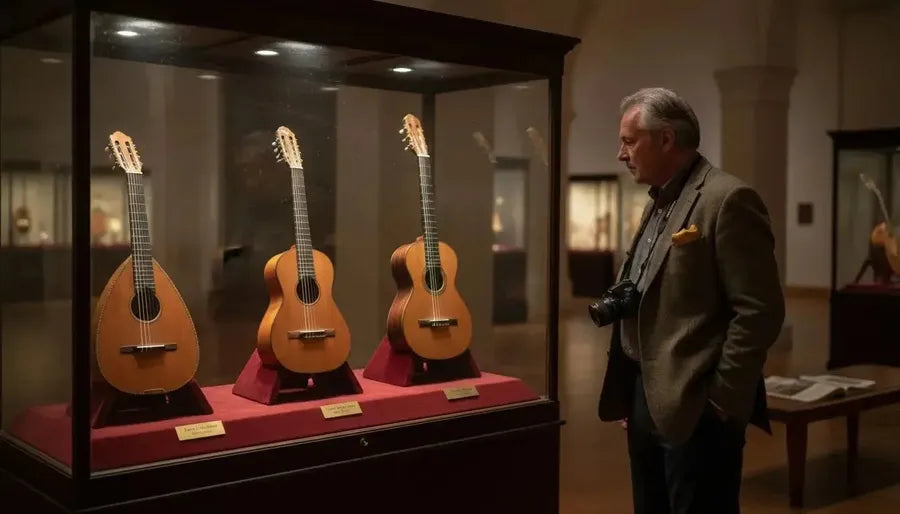
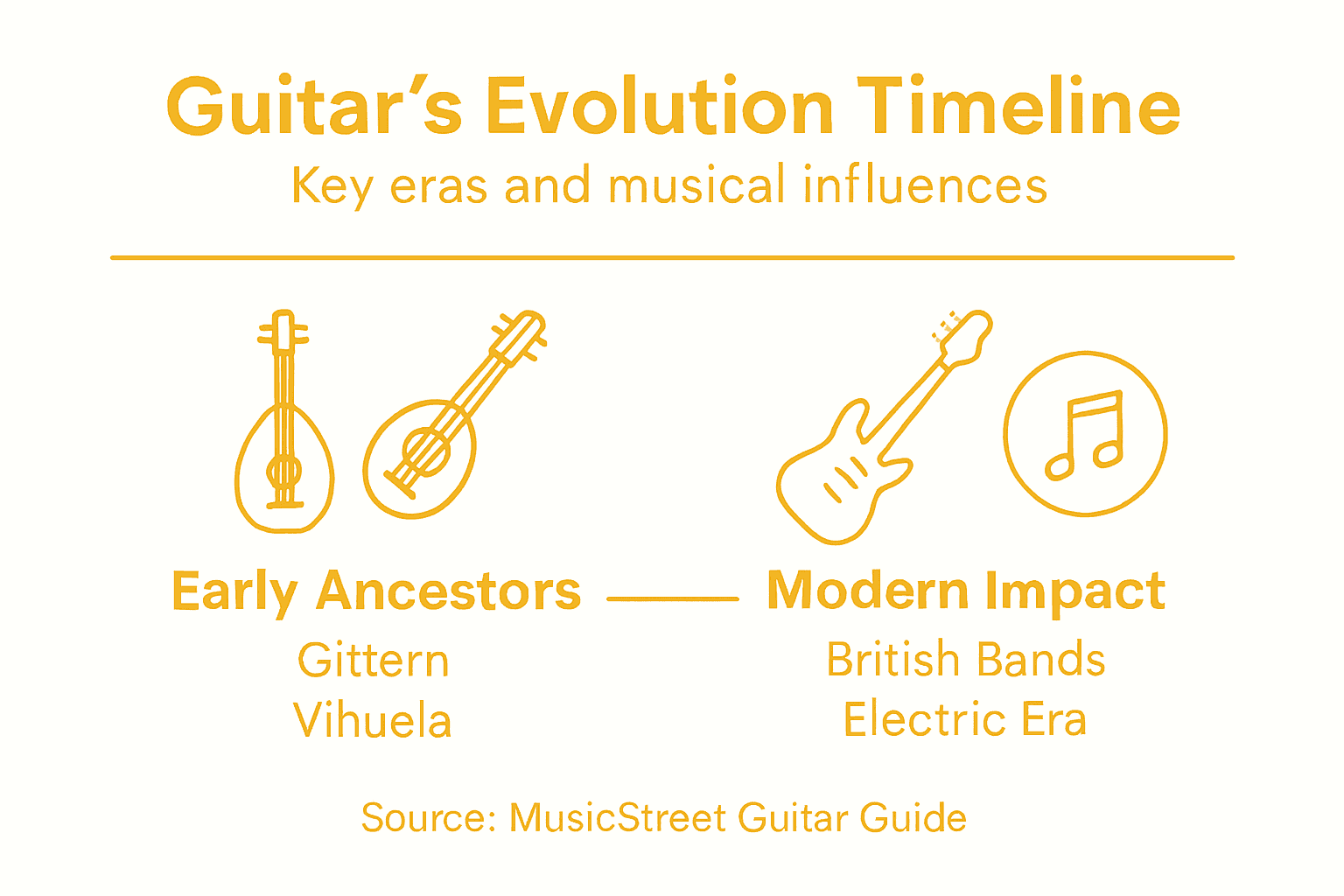
Medieval European musicians played predecessors like the gittern and citole, precursor instruments that gradually evolved towards the guitar’s distinctive shape. These early stringed instruments shared key characteristics: a wooden body, fretted neck, and the ability to produce melodic sounds through plucking or strumming. The vihuela, popular in Spanish courts during the Renaissance, particularly influenced the guitar’s design, introducing more refined construction techniques and playing styles.
The transformation accelerated during the Baroque period, when instrument evolution became more pronounced. Luthiers began experimenting with body shapes, string arrangements, and tonal qualities. The Baroque guitar emerged with a smaller body, fewer strings, and a more delicate sound compared to its medieval ancestors. This period was crucial in establishing fundamental structural elements that would define future guitar designs.
Pro tip: When exploring guitar history, visit museums or historical music collections to see original instruments and appreciate the intricate craftsmanship of early stringed predecessors.
Here is a summary comparing key predecessors of the modern guitar:
| Instrument | Historical Period | Main Characteristics | Influence on Guitar |
|---|---|---|---|
| Gittern | Medieval Europe | Small, rounded body; gut strings | Early shape and sound concept |
| Citole | Medieval Europe | Flat body, fretted neck | Inspired neck and fretting techniques |
| Vihuela | Renaissance Spain | Curved body, doubled strings | Advanced design and construction |
| Baroque Guitar | Baroque Period | Smaller body, five strings | Set structural standards for modern guitar |
Acoustic guitar development and evolution
The acoustic guitar’s evolution represents a fascinating journey of musical innovation, transforming from a regional instrument to a global musical icon. Spanish guitar origins reveal a remarkable progression that fundamentally reshaped musical expression across different cultures and genres.
Initially, acoustic guitars featured relatively small bodies and limited tonal range. The transition from four to six strings was a pivotal moment, dramatically expanding the instrument’s musical capabilities. Luthiers began experimenting with body dimensions, experimenting with materials like spruce for soundboards and rosewood for backs and sides, which significantly enhanced resonance and sound projection. These structural innovations allowed guitarists to produce richer, more complex tones suitable for increasingly sophisticated musical styles.
By the late 19th and early 20th centuries, the acoustic guitar underwent dramatic refinements. Manufacturers like Martin and Gibson pioneered design changes that would become standard in modern instruments. They introduced features such as steel-reinforced necks, which improved stability, and developed bracing patterns that enhanced acoustic properties. These developments transformed the guitar from a humble folk instrument into a versatile tool capable of supporting complex musical arrangements across classical, folk, blues, and eventually rock genres.

Pro tip: When studying acoustic guitar development, examine vintage instruments to understand how subtle design changes dramatically impacted sound quality and playability.
Arrival and impact of electric guitars
The electric guitar’s emergence marked a revolutionary moment in musical history, fundamentally transforming how musicians approached sound and performance. Technological innovations in performance introduced unprecedented sonic possibilities that would reshape popular music across multiple genres.
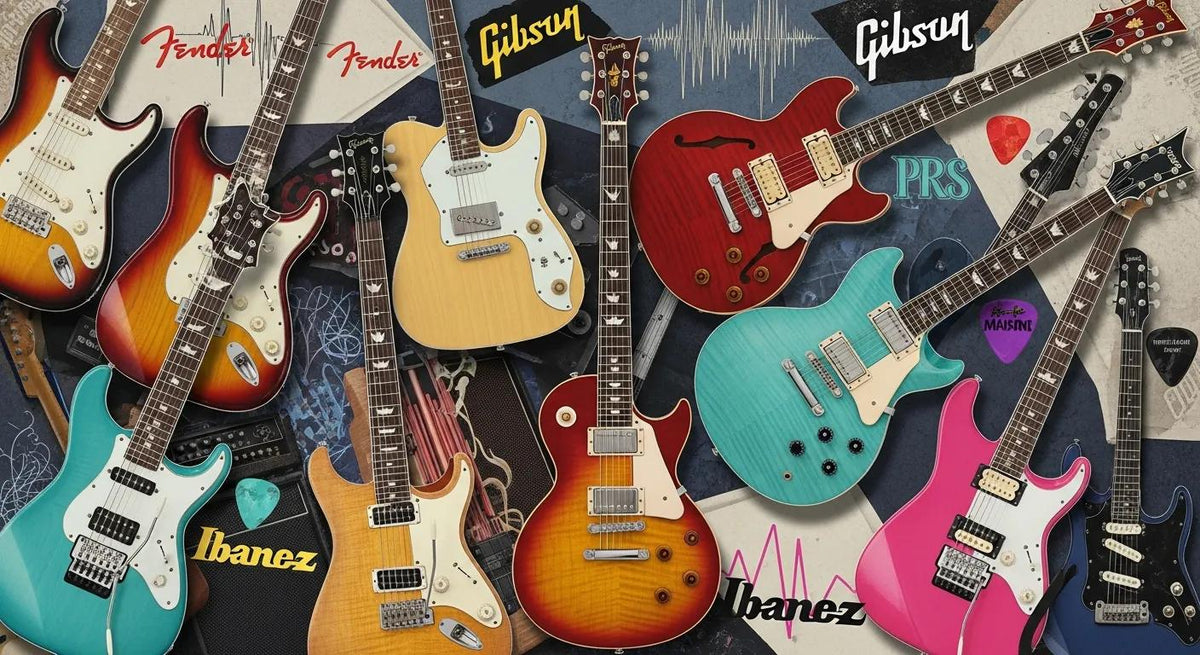
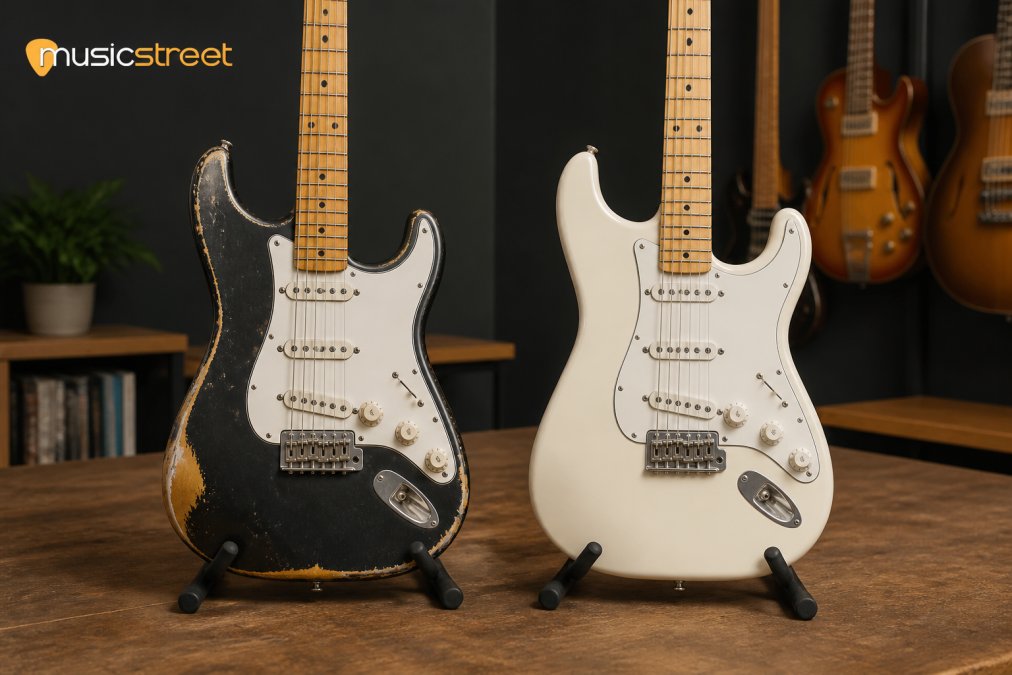
In the 1930s, inventors like Les Paul and Leo Fender began experimenting with solid-body electric guitar designs that could overcome the feedback issues of earlier hollow-body instruments. These groundbreaking developments allowed musicians to produce louder, clearer sounds with greater sustain. Amplification technology meant guitarists could now project their sound across large venues, dramatically changing live performance dynamics. Blues, jazz, and rock musicians quickly embraced these new sonic capabilities, using techniques like power chords and innovative effects pedals to create entirely new musical landscapes.
By the 1950s and 1960s, the electric guitar had become a cultural icon, symbolising rebellion, creativity, and technological progress. Rise of electric guitar culture represented more than just a musical innovation; it became a powerful means of artistic expression. Legendary musicians like Jimi Hendrix, Eric Clapton, and Jimmy Page demonstrated how the instrument could be used not just as a musical tool, but as a means of personal and cultural communication.
Pro tip: When exploring electric guitar history, listen to recordings from different decades to hear how technological advances transformed musical styles and performance techniques.
British guitar music’s global influence
The profound impact of British guitar music extends far beyond the United Kingdom’s shores, reshaping global musical landscapes through unprecedented creativity and innovation. Cultural transformation through music marked a revolutionary period where British musicians became international cultural ambassadors, exporting not just sound, but entire artistic movements.
The ‘Swinging Sixties’ represented a pivotal moment, with bands like The Beatles, The Rolling Stones, and The Who establishing a new musical paradigm. These groups revolutionised guitar techniques, songwriting approaches, and performance styles that would influence generations of musicians worldwide. British guitarists pioneered experimental sounds, incorporating complex chord progressions, innovative recording techniques, and philosophical depth into their music that transcended traditional rock and pop boundaries.
Music festivals played a crucial role in amplifying British guitar music’s global reach. British music festival culture became international platforms for showcasing British musical talent, spreading the unique sounds of British guitar music across continents. From the raw energy of punk to the sophisticated arrangements of progressive rock, British musicians continuously redefined musical possibilities, inspiring countless artists and creating lasting cultural connections that transformed global music scenes.
Pro tip: Listen to compilation albums spanning different decades of British guitar music to trace the evolution of its global musical influence.
Common myths and buying mistakes
Navigating the world of guitar purchasing can be fraught with misconceptions and potential pitfalls that can derail a musician’s journey before it truly begins. Guitar buying mistakes often stem from uninformed decisions and unrealistic expectations about instrument selection and learning curves.
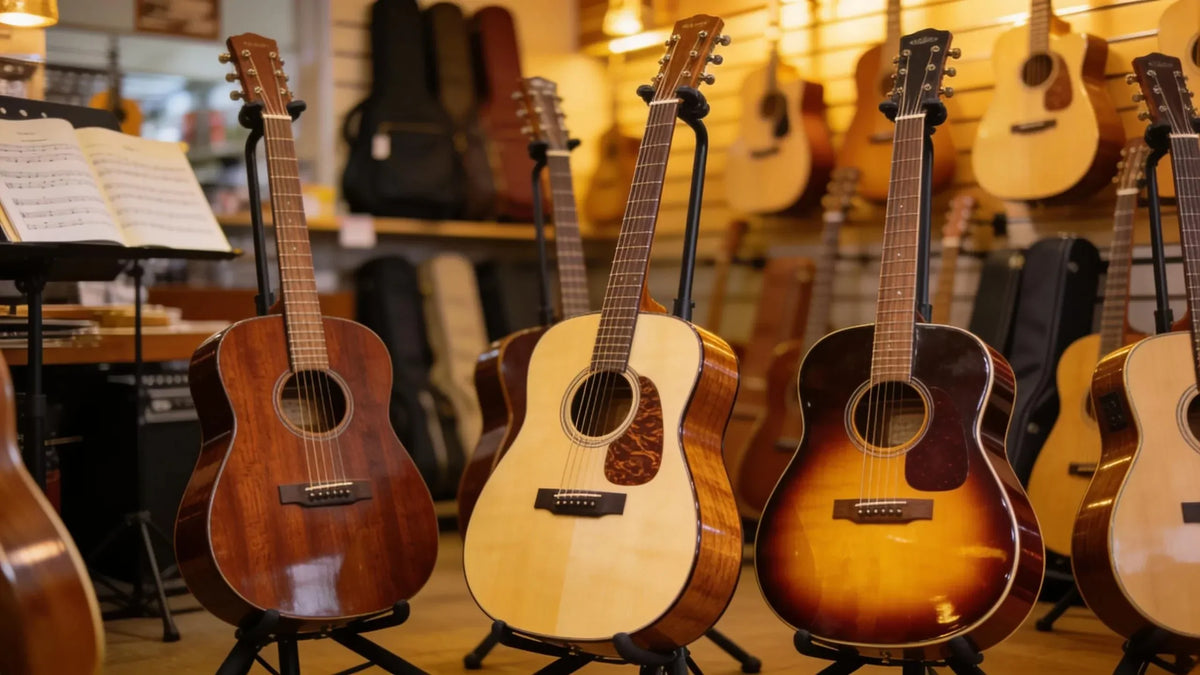
One prevalent myth is that beginners should always start with an acoustic guitar, regardless of their musical preferences. This misconception can lead to frustration and decreased motivation. In reality, musicians should choose an instrument that genuinely inspires them and aligns with their musical interests. An aspiring rock guitarist might find an electric guitar far more engaging, while a folk enthusiast would naturally gravitate towards an acoustic model. Another critical error is prioritising price over playability. Ultra-cheap guitars frequently come with inherent structural issues that make learning significantly more challenging, such as high action, poor intonation, and substandard materials that impact sound quality and comfort.
Beyond initial instrument selection, many new musicians fall into psychological traps that hinder their progress. They might believe that expensive equipment automatically translates to better musicianship or that natural talent is more important than consistent practice. These myths can create unrealistic expectations and discourage learners from developing the essential skills required to become proficient guitarists. Understanding that every musician’s journey involves dedication, patience, and strategic learning is crucial for long-term success.
Pro tip: Before purchasing a guitar, always play multiple instruments and seek expert advice to ensure the best match for your musical goals and physical comfort.
For those purchasing a guitar, consider these crucial factors to improve selection:
| Factor | Why It Matters | Potential Impact |
|---|---|---|
| Playability | Ensures comfort when practising | Aids learning progress |
| Build Quality | Determines sound and durability | Avoids costly repairs |
| Musical Preference | Aligns with inspiration | Boosts motivation |
| Expert Advice | Informs good choices | Prevents costly mistakes |
Discover Your Perfect Guitar With MusicStreet
The fascinating evolution of the guitar reveals just how much the right instrument shapes your musical journey. Whether you are captivated by the rich tones of an acoustic inspired by centuries-old craftsmanship or eager to unleash the revolutionary power of electric sounds that changed music history, choosing the right guitar is vital. The article highlights common challenges like avoiding buying mistakes and finding an instrument that truly inspires you — these are exactly the hurdles many musicians face.

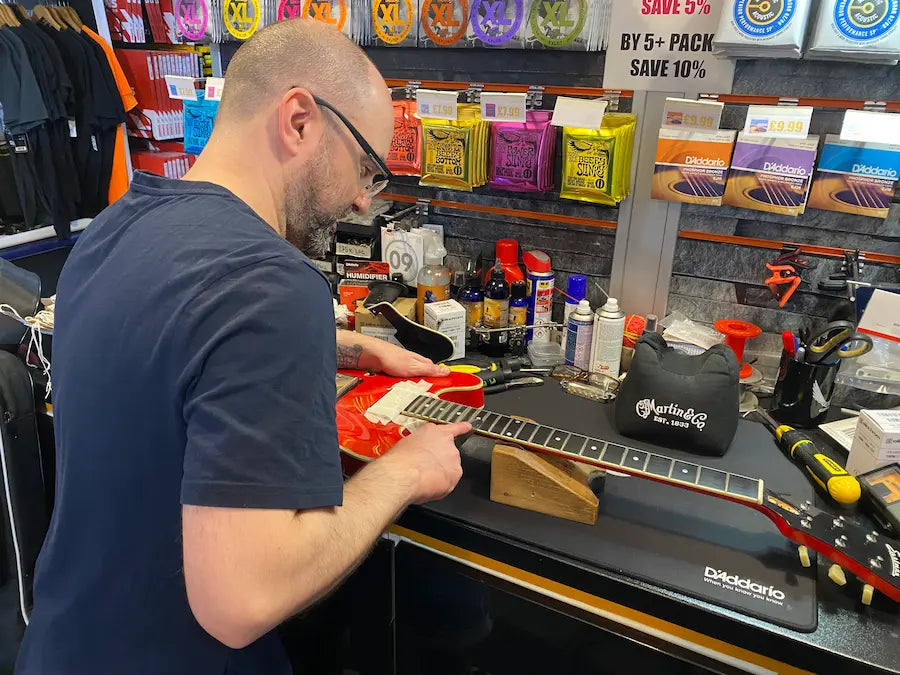
Explore MusicStreet to find expertly inspected electric, acoustic and bass guitars tailored to your style and needs. We offer personalised advice and professional setups to ensure your new guitar feels perfectly comfortable and sounds incredible from the very first chord. Start your adventure equipped with well-crafted instruments and trusted support at MusicStreet. Dive into our buying guides to make informed decisions and avoid common pitfalls so you can focus on what matters most — making music. Act now to benefit from free UK delivery and exclusive offers that help you kickstart your musical legacy today.
Frequently Asked Questions
What are the main predecessors of the modern guitar?
The key predecessors of the modern guitar include the gittern, citole, vihuela, and Baroque guitar. Each of these instruments contributed to the shape and sound characteristics of the guitar as we know it today.
How did the acoustic guitar evolve over time?
The acoustic guitar evolved significantly through the 19th and early 20th centuries with advancements like the transition from four to six strings, the use of different materials for soundboards and bodies, and improvements in bracing patterns. Notable manufacturers such as Martin and Gibson played pivotal roles in these innovations, enhancing sound quality and playability.
What impact did electric guitars have on music?
Electric guitars transformed music by allowing louder, clearer sounds, which changed live performances and enabled new playing techniques. They became symbols of cultural movements, particularly during the 1950s and 1960s, influencing genres like blues, jazz, and rock.
What common myths should I be aware of when buying a guitar?
Many beginners believe they must start with an acoustic guitar, which isn’t necessarily true. It’s important to choose an instrument that aligns with one’s musical preferences. Additionally, prioritising price over playability can lead to frustration, as poorly made instruments can hinder learning.






Share:
7 Must-Know Examples of Guitar Pedals for Electric Players
7 Steps for a Complete Guitar Buying Checklist UK Buyers Need