


Navigating the vintage guitar market can feel overwhelming with countless factors influencing value and playability. Age alone doesn’t determine worth; brand reputation, originality, craftsmanship, and provenance all play crucial roles. This article unpacks the essential criteria for selecting vintage guitars, explores their unique tonal qualities and financial benefits, and provides practical buying tips. You’ll gain the knowledge needed to make informed investment decisions and find instruments that deliver both musical satisfaction and long-term value.
Table of Contents
- How to Choose the Right Vintage Guitar: Selection Criteria
- Unique Tonal Qualities and Craftsmanship of Vintage Guitars
- Financial Benefits and Investment Potential of Vintage Guitars
- Top Vintage Guitar Brands and Models to Consider
- Authentication, Maintenance, and Buying Tips
- Summary Comparison: Vintage Guitars vs Modern Instruments
- Situational Picks: Which Vintage Guitar Is Best for You?
- Explore Vintage and Used Guitars at MusicStreet UK
- Frequently Asked Questions About Vintage Guitars
Key Takeaways
| Point | Details |
|---|---|
| Definition and Age | Vintage guitars are typically 30+ years old, though brand reputation and craftsmanship also define vintage status. |
| Unique Tonal Character | Aged tonewoods and golden era craftsmanship create warm, woody tones unmatched by modern instruments. |
| Investment Stability | Vintage guitars show reliable appreciation, outperforming stocks in stability over 10-year periods. |
| Authentication Matters | Expert verification and original parts are critical; replacements can reduce value by up to 50%. |
| Top Collector Brands | Gibson, Fender, and Martin models from the 1950s and 1960s command the strongest market demand. |
How to Choose the Right Vintage Guitar: Selection Criteria
Understanding what makes a guitar truly vintage helps you separate genuine treasures from overhyped instruments. The 30-year threshold serves as a baseline, but exceptional guitars often carry vintage status earlier based on rarity and historical significance. Brand heritage matters immensely in this market.
Reputable manufacturers like Gibson, Fender, and Martin dominate collector interest because their golden era instruments from the 1950s and 1960s set industry standards. These brands’ vintage models consistently appreciate due to proven craftsmanship and cultural impact. When you select rare vintage guitars, brand reputation provides a foundation for both tonal quality and investment security.
Condition and originality directly impact value retention. Guitars with all original parts, including pickups, tuners, and finish, command premium prices. Replaced components can slash value by 50% or more, even when replacements match factory specifications. Collectors prize authenticity above restoration.
Key evaluation criteria include:
- Age verification through serial numbers and manufacturing records
- Brand reputation and model desirability in current markets
- Originality of all hardware, electronics, and finish
- Documented provenance showing ownership history
- Rare materials like Brazilian rosewood or Madagascar ebony
- Overall condition graded by professional appraisers
Provenance documentation adds substantial value, especially for instruments with celebrity connections or limited production runs. Expert authentication protects against counterfeits flooding the vintage market. Professional appraisals provide baseline values for insurance and resale purposes.
Market demand fluctuates based on musical trends and collector interests. Researching recent auction results and dealer prices helps you understand current valuations. The vintage guitar investment strategy requires patience and market awareness.
Pro Tip: Always request detailed photographs of serial numbers, hardware stamps, and finish wear patterns before purchasing sight unseen. These details reveal restoration work and confirm authenticity better than general images.
Unique Tonal Qualities and Craftsmanship of Vintage Guitars
Golden era manufacturing practices created instruments that modern production rarely replicates. Luthiers in the 1950s and 1960s worked with hand tools and artisanal techniques, allowing for subtle adjustments that enhanced resonance. Factory methods prioritized quality over quantity, resulting in superior build consistency.
Old growth tonewoods form the heart of vintage guitar superiority. Pre-1970s instruments often feature Brazilian rosewood, Adirondack spruce, and aged mahogany harvested from slow-growing forests. These rare materials produce complex overtones and rich sustain. Vintage guitars crafted with these tonewoods deliver woody, bass-driven sounds that define classic recordings.
Wood aging chemistry transforms tonal characteristics over decades. As moisture content stabilizes and cellular structures settle, vibration transfer becomes more efficient. This maturation process creates warmth and depth impossible to replicate artificially. Understanding tonewoods and sound quality helps you appreciate these natural improvements.
Tonal advantages of vintage instruments:
- Warmer midrange frequencies from aged wood resonance
- Enhanced harmonic complexity through natural wood settling
- Greater dynamic response to playing technique variations
- Unique voice characteristics specific to each instrument
- Organic compression that smooths harsh frequencies
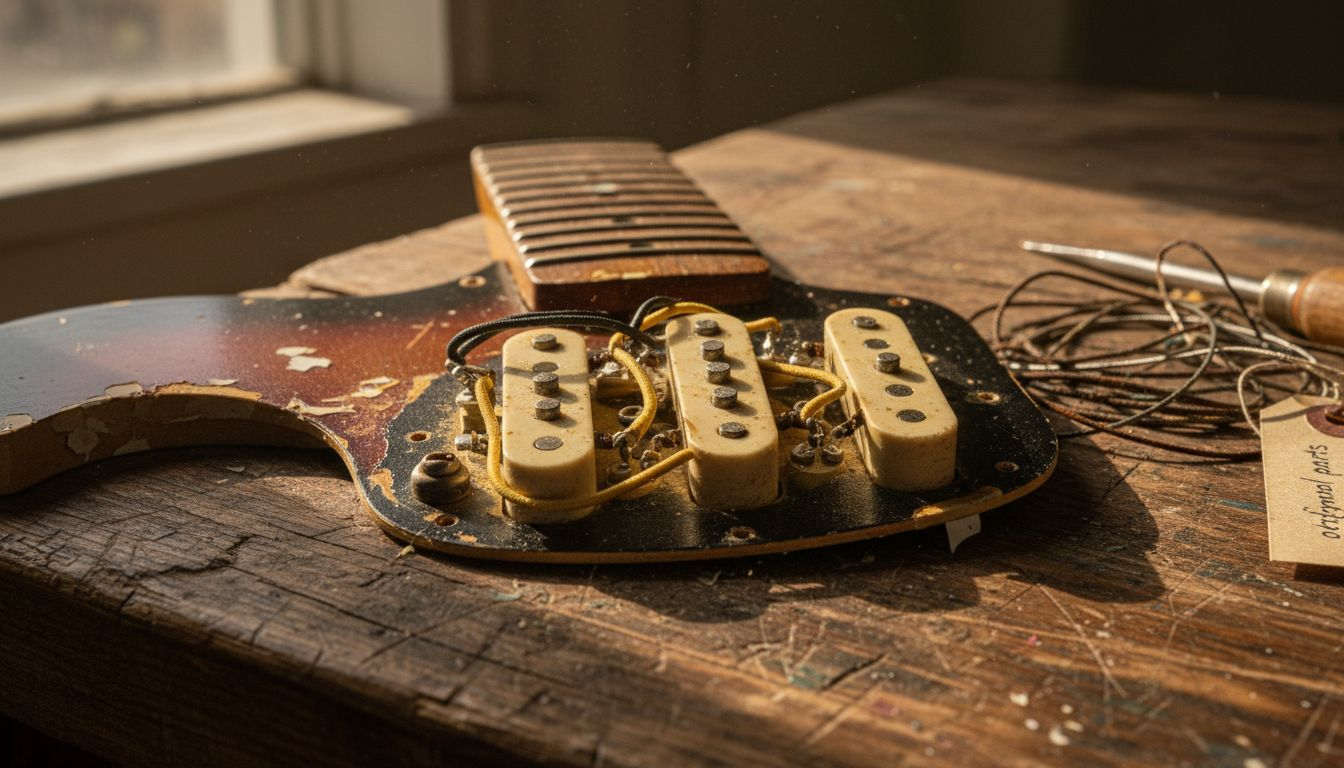
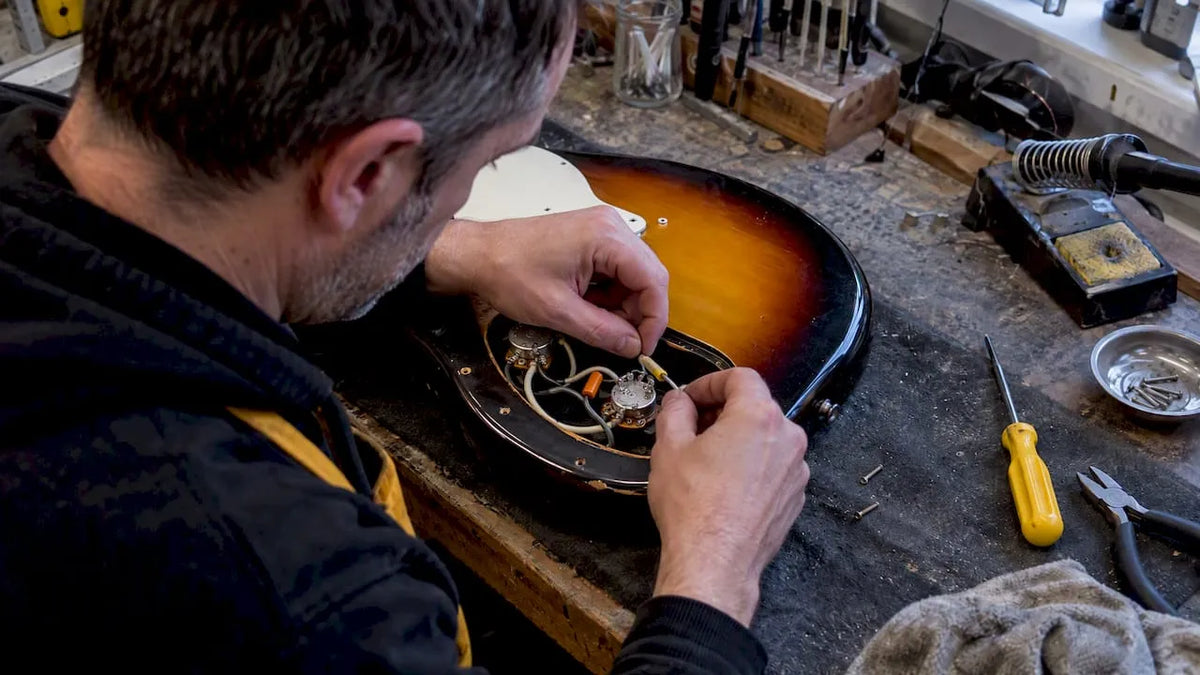
Original parts preserve intended sound profiles. Vintage pickups wound with period-correct wire gauges produce output characteristics matching the era’s amplifiers. Even seemingly minor components like capacitors and pots influence tone. Replacing these parts with modern equivalents alters the sonic signature.
Modern guitars offer advantages in tuning stability and playability consistency. Contemporary manufacturing achieves tighter tolerances and better neck stability. However, vintage instruments excel in tonal warmth, character, and emotional resonance. The choice depends on your priorities as a player and collector.
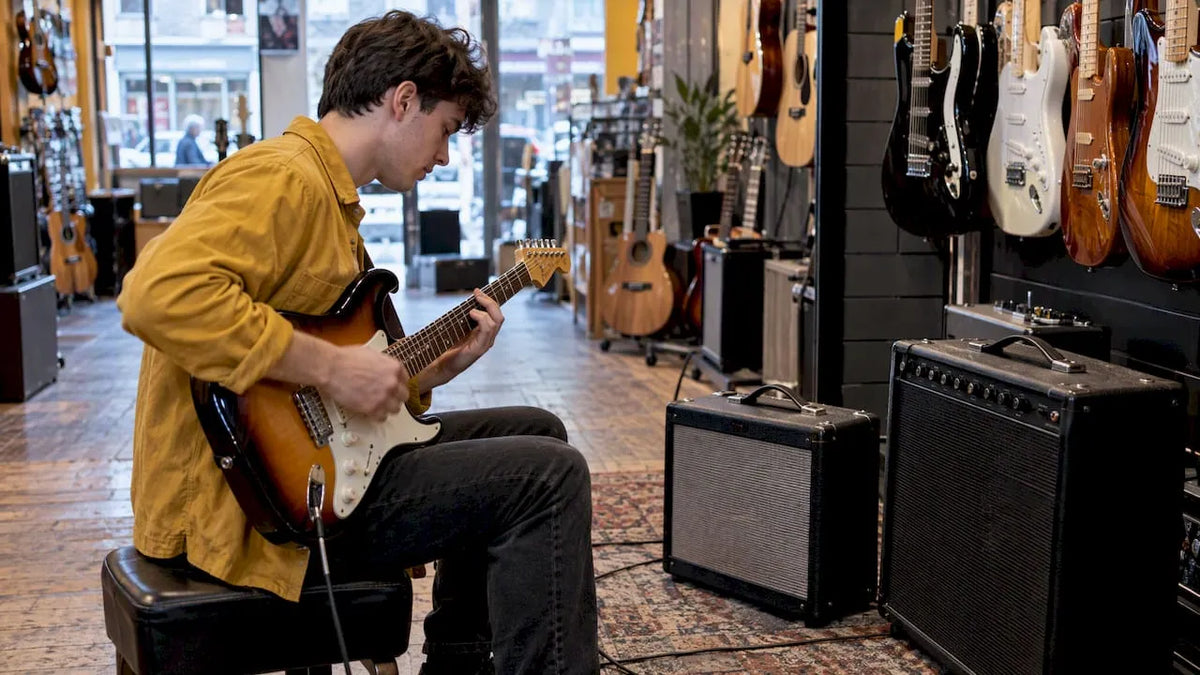
Pro Tip: Test vintage guitars through period-appropriate amplifiers to hear their true character. Modern high-gain amps can mask the subtle tonal qualities that make vintage instruments special.
Financial Benefits and Investment Potential of Vintage Guitars
Vintage guitars demonstrate reliable value appreciation over extended periods. Market analysis shows stable growth over decades, with premium models from respected makers consistently outperforming traditional stocks in 10-year comparisons. This stability stems from finite supply meeting persistent collector demand.
Rarity amplifies investment returns dramatically. Limited production runs, discontinued models, and historically significant instruments command premium prices. Celebrity ownership or notable recording history can increase values by 2-3x compared to identical instruments without provenance. Documentation proving these connections becomes invaluable.
Investment performance factors:
| Factor | Impact on Value | Time Horizon |
|---|---|---|
| Brand reputation | 40-60% premium | Immediate |
| Original condition | 30-50% increase | Long-term |
| Rarity and production numbers | 50-200% premium | Medium to long |
| Celebrity provenance | 200-500% increase | Variable |
| Market demand cycles | 20-40% fluctuation | Short to medium |
Vintage guitars offer tangible benefits beyond financial returns. You can play and enjoy these instruments while they appreciate, unlike stocks or bonds. This dual functionality provides personal satisfaction alongside investment potential. Explore guitar investment benefits for deeper analysis.
Maintenance costs factor into total ownership expenses. Regular professional setups, controlled humidity storage, and occasional repairs preserve condition and value. These investments protect your asset and can actually increase resale prices by demonstrating proper care. Documentation of maintenance history adds credibility.
Investment considerations:
- Insurance costs for high-value instruments
- Secure storage with climate control requirements
- Authentication and appraisal fees
- Market timing for optimal buying and selling
- Liquidity compared to traditional investments
Risks include market fluctuations driven by musical trends and economic conditions. Counterfeit instruments pose authentication challenges requiring expert verification. Understanding vintage guitar market trends helps you navigate these challenges and time purchases strategically.
Pro Tip: Diversify your vintage guitar portfolio across brands, eras, and price points to minimize risk. A mix of blue-chip models and emerging collectibles balances stability with growth potential.
Top Vintage Guitar Brands and Models to Consider
Gibson Les Paul models from the 1950s represent the pinnacle of electric guitar collecting. These instruments defined rock tone and continue appreciating steadily. Sunburst finishes from 1958-1960 command six-figure prices, while later 1950s models remain accessible yet valuable. Their thick mahogany bodies and figured maple tops create legendary sustain.
Fender Stratocaster guitars from the 1960s balance playability with investment potential. Pre-CBS models (before 1965) fetch premium prices, but mid-1960s instruments offer excellent value. Their versatile tonal palette suits multiple musical styles. These guitars demonstrate consistent market demand across collector demographics.
Martin D-28 acoustics from the 1950s showcase golden era acoustic craftsmanship. Adirondack spruce tops and Brazilian rosewood backs produce unmatched warmth and projection. These instruments appreciate reliably while delivering professional performance. Their reputation spans genres from folk to bluegrass.
Collector favorite models:
- Gibson Les Paul Standard 1958-1960 (iconic sunburst finish)
- Fender Stratocaster 1954-1965 (pre-CBS era preferred)
- Martin D-28 1930s-1950s (herringbone trim models)
- Guild F-50 1960s-1970s (rarer, unique collector appeal)
- Fender Telecaster 1950s (blackguard models highly prized)
Guild vintage guitars offer rarity advantages for discerning collectors. These American-made instruments feature exceptional craftsmanship but remain undervalued compared to Gibson and Fender. As collector knowledge expands, Guild models show strong appreciation potential. Their distinctive voicing appeals to players seeking alternatives.
Material and finish variants significantly affect pricing. Guitars with rare wood combinations, unusual colors, or limited production features command premiums. Checking vintage guitar brand reputation helps you understand which specifications drive collector interest. UK market pricing often differs from US values due to import history and local demand.
Understanding top vintage guitar brands positions you to recognize opportunities. Research recent auction results and dealer inventory to track pricing trends. Focus on instruments combining historical significance with playability for maximum enjoyment and investment security.
Authentication, Maintenance, and Buying Tips
Expert authentication protects your investment from costly mistakes. Professional appraisers examine construction details, hardware stamps, and finish characteristics that reveal authenticity. Serial numbers provide manufacturing dates but can be faked. Comprehensive inspections verify every component matches factory specifications for the claimed production year.
Provenance documentation adds credibility and value. Original sales receipts, warranty cards, and ownership records establish unbroken chains of custody. Photographs showing the instrument at different life stages help verify originality. Authentication importance cannot be overstated, as replaced parts can reduce value by 50%.
Authentication verification steps:
- Serial number cross-referencing with manufacturer records
- Wood grain pattern analysis for period-correct materials
- Hardware and component inspection for factory stamps
- Finish checking using UV light for oversprays
- Neck pocket and control cavity examination for modifications
- Expert appraisal from recognized vintage specialists
Avoiding extensively modified instruments preserves investment value. While playability upgrades tempt some buyers, collectors prefer all-original specifications. Even period-correct replacement parts lower desirability compared to factory originals. Understanding these preferences guides purchase decisions.
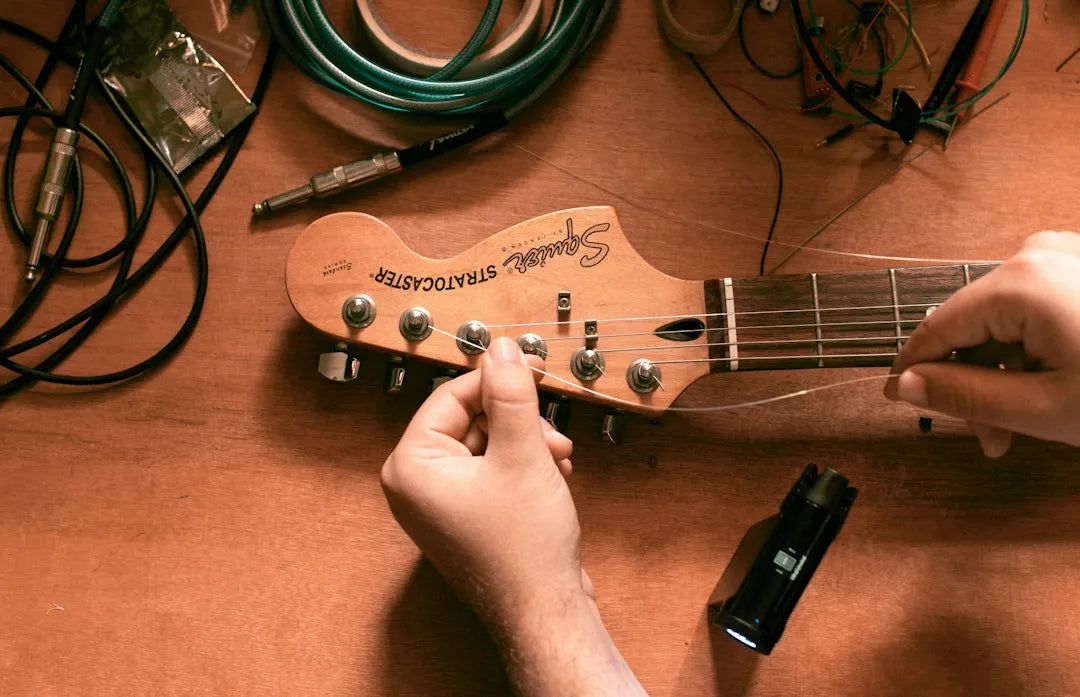
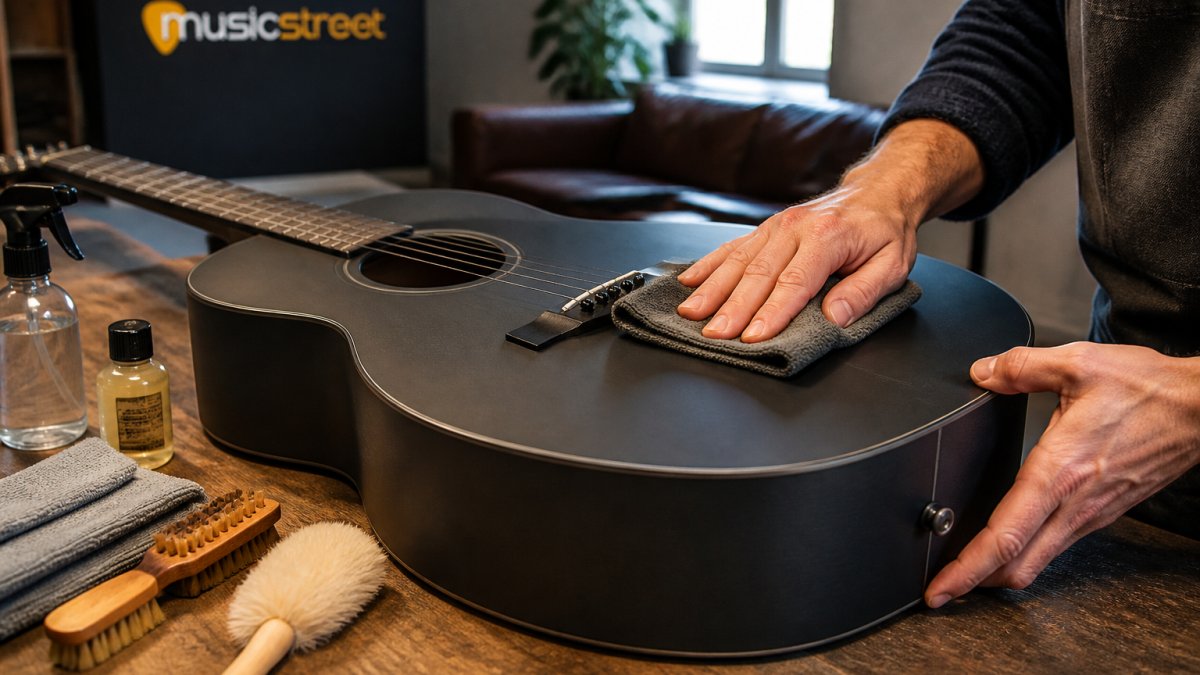
Regular maintenance preserves tone and condition for decades. Controlled humidity between 45-55% prevents wood movement and finish checking. Annual professional setups optimize playability and catch potential issues early. String changes with appropriate gauges maintain proper neck tension. These practices protect your investment while ensuring musical functionality.
Purchasing from reputable dealers provides security and recourse. Established vintage guitar specialists offer warranties, return policies, and authentication guarantees. Their reputations depend on selling genuine instruments accurately described. Learning vintage guitar authentication and buying tips helps you evaluate seller credibility.
Safe buying practices:
- Request detailed photographs of all instrument aspects
- Verify seller reputation through reviews and references
- Insist on return policies allowing professional inspection
- Use secure payment methods offering buyer protection
- Document all condition details before finalizing purchase
Pro Tip: Join vintage guitar forums and collector groups to build knowledge and connections. Experienced collectors share insights about authentication red flags and market values that protect newcomers from expensive mistakes.
Summary Comparison: Vintage Guitars vs Modern Instruments
Deciding between vintage and modern guitars requires understanding their distinct characteristics. Each category excels in specific areas while presenting unique challenges. Your priorities as a player and collector determine which trade-offs matter most.
| Feature | Vintage Guitars | Modern Guitars |
|---|---|---|
| Tonal Character | Warm, woody, complex overtones from aged woods | Brighter, clearer, more focused tone |
| Craftsmanship | Hand-built with artisanal attention to detail | CNC precision with consistent quality |
| Playability | Variable neck profiles, may need setup | Ergonomic designs, stable tuning |
| Investment Value | Strong appreciation potential over time | Depreciates initially, select models hold value |
| Maintenance | Higher costs, specialized care required | Lower maintenance, easier repairs |
| Availability | Limited supply, prices rising | Readily available, wide price range |
| Authenticity Concerns | Counterfeits and modifications common | Factory warranties, verified specs |
Tonal warmth distinguishes vintage instruments from modern counterparts. Vintage guitars excel in historical character through aged tonewoods and traditional construction. Modern guitars offer superior tuning stability and playability consistency. Recording contexts influence which characteristics serve you better.
Maintenance requirements differ substantially between categories. Vintage guitars need specialized luthiers familiar with period-correct repair techniques. Modern instruments accept standardized parts and adjustments. These practical considerations affect total ownership costs beyond purchase price.
Investment volatility shows vintage guitars maintaining value through economic cycles. Modern guitars typically depreciate initially before select models stabilize. Market dynamics favor vintage instruments for financial appreciation. Compare vintage vs modern guitars across your specific use cases.
Emotional connections drive many vintage guitar purchases beyond financial logic. Playing an instrument with decades of history creates unique satisfaction. Modern guitars provide reliability without the anxiety of damaging irreplaceable vintage pieces. Your relationship with instruments shapes which category suits your needs.
Review the vintage vs modern guitar comparison to understand how these differences apply to your musical goals and collecting strategy.
Situational Picks: Which Vintage Guitar Is Best for You?
Matching vintage guitars to your specific goals ensures satisfaction with your investment. Different models excel in distinct areas, from pure financial appreciation to tonal preferences and playability balance. Consider your priorities before committing to significant purchases.
Best for investment security: Gibson Les Paul 1950s models. These instruments show consistent value appreciation with strong market demand. Their iconic status ensures liquidity when selling. Collectors worldwide recognize their significance, creating stable pricing. Budget £20,000-£200,000+ depending on year and condition.
Best for tonal richness: Martin D-28 1950s acoustics. Unmatched warmth and projection make these guitars recording studio favorites. Their aged Adirondack spruce tops deliver complex harmonics. These instruments satisfy both players and collectors seeking authentic acoustic tone. Expect investments of £8,000-£40,000.
Best for rarity and uniqueness: Guild vintage guitars. Undervalued compared to mainstream brands, Guild instruments offer appreciation potential. Their distinctive voicing and American craftsmanship appeal to sophisticated collectors. Limited awareness creates buying opportunities. Budget £3,000-£15,000 for premium models.
Best balanced option: Fender Stratocaster 1960s. Versatile tone suits multiple musical styles with comfortable playability. Pre-CBS models offer investment security while remaining accessible. Their popularity ensures easy resale. Plan for £10,000-£50,000 depending on year and specifications.
Budget and maintenance considerations:
- Entry-level vintage collecting: £3,000-£8,000 (1970s quality instruments)
- Mid-range investments: £8,000-£25,000 (1960s desirable models)
- Premium collector pieces: £25,000-£100,000+ (1950s icons)
- Ongoing costs: £200-£500 annually for maintenance and storage
Your playing frequency influences purchase decisions. Daily players may prefer robust vintage models over museum-grade instruments. Collectors prioritizing investment returns focus on rarity and condition over playability. Both approaches offer valid paths to vintage guitar ownership.
Select vintage guitars for your goals by honestly assessing your budget, musical needs, and investment timeline. Rushing decisions leads to buyer’s remorse in this specialized market.
Explore Vintage and Used Guitars at MusicStreet UK
Ready to start your vintage guitar journey with expert guidance? MusicStreet offers carefully curated selections of used electric guitars for sale in the UK, each professionally inspected and authenticated. Our Huntingdon showroom lets you try instruments before committing, ensuring the right match for your playing style and investment goals.

Every guitar in our vintage collection undergoes rigorous evaluation for authenticity and condition. We provide detailed provenance documentation and warranty coverage, protecting your investment from day one. Our team understands the nuances that separate exceptional vintage instruments from ordinary used guitars.
Explore our guide to best electric guitars to compare vintage options with modern alternatives. We also offer comprehensive advice on choosing between electric vs acoustic guitars based on your musical direction. Visit MusicStreet today and discover vintage guitars that deliver both inspiration and value.
Frequently Asked Questions About Vintage Guitars
What age qualifies a guitar as vintage?
Most collectors consider guitars vintage at 30+ years old, placing the current cutoff around 1994. However, exceptional instruments from the 1950s through 1970s command premium vintage status due to superior craftsmanship and materials. Brand reputation and historical significance also influence vintage classification beyond simple age.
How to verify authenticity of a vintage guitar?
Authentication requires expert examination of serial numbers, construction details, hardware stamps, and finish characteristics. Professional appraisers use UV light to detect refinishing and examine wood grain patterns for period-correct materials. Always request provenance documentation and consider third-party verification before significant purchases.
Are vintage guitars better for beginners?
Vintage guitars typically suit experienced players better than beginners. Their higher values create anxiety about damage, and setup requirements often exceed beginner skill levels. Modern instruments offer better tuning stability and playability for learning fundamentals. Start with quality modern guitars before investing in vintage pieces.
How costly is maintenance on vintage guitars?
Annual maintenance for vintage guitars typically runs £200-£500, including professional setups, humidity control, and minor repairs. Major restorations for finish damage or structural issues can exceed £1,000-£3,000. Climate-controlled storage and insurance add ongoing costs. Budget these expenses when calculating total ownership costs.
Do all vintage guitars appreciate in value?
Not all vintage guitars appreciate equally or consistently. Premium brands like Gibson, Fender, and Martin from the 1950s-1960s show reliable growth, while lesser-known makers may stagnate. Condition, originality, and market demand heavily influence appreciation rates. Research specific models and maintain proper care to maximize investment potential.



Share:
The Bass VI: Baritone Guitar or Bass?
What Is a Multi Effects Pedal? 70% Faster Setup & Versatility