


Most advice about amp modellers gets it wrong. Many musicians still believe that only traditional British valve amps deliver the warmth and tone professionals crave, yet more than 65 percent now rely on digital modelling for gigs and recording. As digital technology evolves, amp modellers rival the iconic sounds of classic amplifiers while offering portability, flexibility, and surprising value. This guide clears up common myths, explains how modern modellers work, and highlights their real advantages for every guitarist.
Table of Contents
Key Takeaways
| Point | Details |
| Amp Modellers Offer Versatility | Modern amp modellers simulate a wide array of amplifier sounds, providing musicians with extensive tonal flexibility in a compact unit. |
| Myths Surrounding Digital Models | Many guitarists underestimate the quality of amp modellers, believing they cannot replicate the warmth and responsiveness of analog valve amplifiers. |
| Technological Advancements | Advances in digital signal processing have narrowed the gap between digital and traditional amplifiers, making modern modeller tones nearly indistinguishable from analog. |
| Cost-Effectiveness | Amp modellers represent a practical alternative to multiple physical amplifiers, reducing maintenance and transportation costs while offering extensive sound options. |
Amp Modellers Explained And Common Myths
Amp modelling represents a cutting-edge digital technology allowing guitarists to simulate multiple amplifier sounds without owning numerous physical units. Amplifier modeling is a technique that recreates sophisticated guitar amp tones using advanced software and digital hardware, revolutionising how musicians approach sound production.
Modern amp modellers deliver remarkable versatility by digitally replicating classic amplifier characteristics. These sophisticated devices can emulate everything from vintage tube amps to modern high-gain stacks, providing musicians unprecedented sonic flexibility. Guitarists now access crystal-clear clean tones, warm vintage sounds, and aggressive distorted textures within a single compact unit.
Despite their technological prowess, several persistent myths surround amp modellers. Many traditional guitarists believe digital models cannot match the warmth and responsiveness of analogue valve amplifiers. However, contemporary modelling technology has advanced significantly, with professional-grade units producing indistinguishable tones that even seasoned musicians struggle to differentiate from traditional amplifiers.
Pro Tip: Research Thoroughly: Before investing in an amp modeller, spend time testing multiple units and comparing their sound profiles against your preferred amplifier styles to ensure you find the most suitable digital solution for your musical needs.
Common myths about amp modellers include:
-
They sound “sterile” or “artificial”
-
They lack dynamic response
-
Only suitable for bedroom musicians
-
Cannot replace traditional valve amplifiers
Modern amp modellers represent a sophisticated technological solution that empowers musicians with unprecedented sonic possibilities.
Key Types Of Guitar Amp Modellers Today
Guitar amp modellers have evolved into sophisticated digital solutions, offering musicians unprecedented flexibility in sound reproduction. Different types of electric guitar amplifiers represent unique technological approaches to generating and shaping musical tones, each with distinct characteristics and advantages.
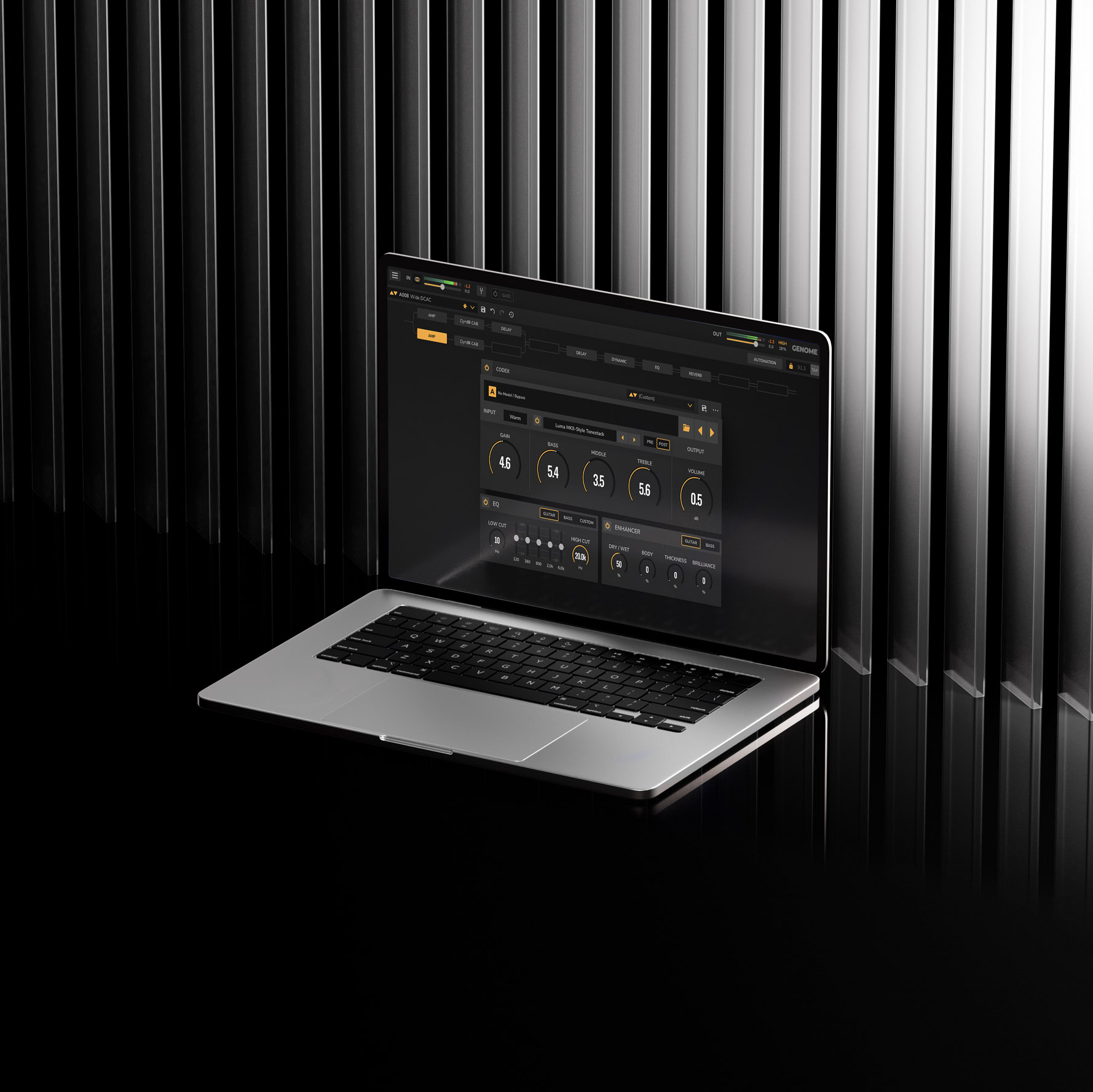
The primary categories of amp modellers include digital modelling units, hybrid amplifiers, solid-state models, and profiling amplifiers. Digital modelling units represent the most versatile category, digitally recreating classic amplifier sounds through advanced software algorithms. These units allow musicians to access multiple amp tones within a single compact device, ranging from vintage blues sounds to modern high-gain metal tones.
Hybrid amp modellers combine traditional valve technology with digital signal processing, offering a unique compromise between analogue warmth and digital precision. Solid-state models provide consistent performance and reliability, utilising transistor-based circuitry to generate clean, predictable tones. Professional-grade profiling amplifiers take modelling a step further by allowing musicians to capture and reproduce the exact sonic characteristics of specific physical amplifiers.
Modern amp modellers have significantly narrowed the tonal gap between digital and traditional amplification, with professional-grade units delivering incredibly authentic sound reproduction. Professional musicians increasingly rely on these versatile digital tools for their flexibility, portability, and consistently high-quality sound.
Pro Tip: Sound Matching: Spend time critically listening to different amp modellers and comparing their preset sounds against your favourite traditional amplifiers to find the most authentic and inspiring digital sound for your musical style.
Key advantages of contemporary amp modellers include:
-
Extensive sound library
-
Compact and portable design
-
Cost-effective alternative to multiple physical amplifiers
-
Consistent sound across different performance environments
The technological innovation behind amp modellers continues to push the boundaries of musical sound reproduction, offering musicians unprecedented creative possibilities.
Here’s a comparison of the main types of guitar amp modellers and their unique characteristics:
| Type of Modeller | Technological Approach | Typical Use Case | Distinctive Benefit |
| Digital Modelling Units | Software-based amp simulations | Versatile stage or studio | Vast range of amp tones in one device |
| Hybrid Amplifiers | Mix of valve and digital | Classic tone with precision | Analogue warmth with digital control |
| Solid-State Models | Transistor circuitry | Reliable live setup | Consistent, clean, durable performance |
| Profiling Amplifiers | Captures actual amp profiles | Professional recording | Faithful replication of real amplifiers |
How Amp Modellers Work For Guitarists
Digital signal processing has revolutionised guitar sound reproduction, with amplifier modeling utilising advanced DSP algorithms to simulate complex amplifier characteristics. These sophisticated digital technologies transform how guitarists interact with their instrument’s sonic capabilities, providing unprecedented tonal flexibility.
At the core of amp modellers, complex mathematical algorithms meticulously analyse and recreate the nuanced behaviours of traditional valve and solid-state amplifiers. By breaking down the electrical characteristics of classic amplifier circuits, these digital systems can precisely emulate everything from subtle preamp distortion to power stage compression. Musicians can now access a comprehensive range of sounds, from pristine clean channels to aggressive high-gain tones, all within a single compact device.
The technical process involves multiple intricate steps of sound reproduction. Digital processors capture and analyse the harmonic content, frequency response, and dynamic characteristics of traditional amplifiers. Advanced impulse response technology allows precise recreation of speaker cabinet resonances, microphone placements, and room acoustics. This means guitarists can effectively simulate recording studio environments directly through their modelling equipment, providing studio-quality sounds in live and practice settings.
Contemporary amp modellers go beyond simple sound replication, offering extensive customisation options. Musicians can fine-tune every aspect of their tone, from gain structures to equalisation curves, creating truly personalised sound profiles that adapt to individual playing styles and musical genres.
Pro Tip: Tone Exploration: Experiment systematically with different amp model presets, adjusting subtle parameters to understand how minute changes impact your overall sound signature.
Key technological components of amp modellers include:
-
Advanced digital signal processors
-
Sophisticated algorithm mapping
-
Comprehensive sound libraries
-
Real-time sound manipulation capabilities
The continuous evolution of digital audio technology ensures amp modellers will become increasingly sophisticated, bridging the gap between digital simulation and analogue authenticity.
Live, Studio, And Home Use Applications
Amp modellers have transformed musical performance and practice across multiple environments, providing guitarists with versatile sound solutions in live, studio, and home settings. These sophisticated digital devices offer unprecedented flexibility, enabling musicians to access a wide range of tones without carrying multiple physical amplifiers.
In live performance scenarios, amp modellers dramatically reduce equipment complexity. Professional musicians can now replace bulky traditional amplifier setups with compact, lightweight units that deliver consistent, high-quality sound across different venues. The ability to instantly switch between pristine clean tones, vintage overdrive, and modern high-gain sounds provides unprecedented creative freedom on stage. Sound engineers appreciate the direct signal output, which simplifies live mixing and reduces potential technical complications.
Studio recording environments have equally benefited from amp modelling technology. Musicians and producers can now experiment with diverse amplifier characteristics without needing extensive physical equipment. Digital modeling allows precise tone recreation, enabling artists to achieve specific sonic textures quickly and efficiently. The ability to record direct signals and reamp later provides additional flexibility during post-production, allowing for nuanced sound refinement without re-recording entire performances.
Home practice represents another critical application for amp modellers. Guitarists can now practise quietly using headphones, explore multiple amp sounds, and record directly to computers or mobile devices. This accessibility democratises high-quality guitar tone exploration, allowing musicians at all levels to experiment and develop their sound without significant financial investment.
Pro Tip: Silent Practice: Invest in a good pair of studio headphones to maximise the potential of your amp modeller’s direct recording capabilities and explore tones without disturbing others.
Key advantages across different environments include:
-
Portability and compact design
-
Consistent sound quality
-
Extensive tonal versatility
-
Cost-effective alternative to multiple amplifiers
The versatility of modern amp modellers continues to revolutionise how guitarists approach sound production, practice, and performance.
Comparing Amp Modellers With Valve Amps
The ongoing debate between amp modellers and traditional valve amplifiers centres around sonic authenticity and performance characteristics. Modeling amplifiers offer guitarists a cost-effective and versatile alternative to conventional tube amp technologies, challenging long-held perceptions about digital sound reproduction.
Traditional valve amplifiers are renowned for their organic, warm tonal characteristics and natural compression. These analogue units produce distinctive harmonic overtones through electron flow within vacuum tubes, creating a rich, dynamic sound that many guitarists consider irreplaceable. Tube amps typically offer nuanced response to playing dynamics, with subtle breakup and saturation that digital models have historically struggled to replicate.
In contrast, modern amp modellers have made significant technological strides in capturing the essence of valve amplifier performance. Advanced digital signal processing now enables remarkably accurate recreations of tube amp characteristics, including dynamic response, harmonic complexity, and tonal warmth. Professional-grade modellers can now produce sounds that are virtually indistinguishable from their analogue counterparts, offering musicians unprecedented flexibility without compromising sonic integrity.

The primary advantages of amp modellers include consistent performance, portability, and versatility. Unlike valve amplifiers, which require regular maintenance and can be sensitive to environmental conditions, digital models provide stable, repeatable tones across different performance settings. Musicians can access multiple amp models, effects, and tone configurations without carrying multiple physical units.
Pro Tip: Tone Comparison: Conduct a blind listening test between valve and modelling amps to objectively assess the sonic differences and challenge your preconceived notions about digital sound reproduction.
Key comparative aspects include:
-
Tonal authenticity
-
Dynamic response
-
Maintenance requirements
-
Portability and flexibility
-
Cost-effectiveness
The continuous evolution of digital audio technology suggests amp modellers will increasingly narrow the perceived gap with traditional valve amplification.
The following table outlines key differences between amp modellers and traditional valve amps:
| Aspect | Amp Modellers | Valve Amplifiers |
| Maintenance | Low, no valve replacements needed | Regular valve changes required |
| Portability | Lightweight and compact | Bulky and heavier units |
| Sound Consistency | Stable across environments | Can vary with age and conditions |
| Flexibility | Multiple tones and presets | Limited to amp’s fixed design |
Costs, Value, And Practical Considerations
Modeling amplifiers provide guitarists with comprehensive sound solutions that extend far beyond traditional amplification technologies, presenting a nuanced economic and practical proposition for musicians across skill levels and budgetary constraints.
Initial investment in amp modellers might appear higher compared to entry-level valve amplifiers, but the long-term value proposition becomes compelling when considering versatility and operational costs. Professional-grade modellers eliminate numerous expenses associated with traditional amplification: no tube replacements, reduced maintenance, minimal transportation costs, and the ability to access multiple amp sounds without purchasing separate physical units. Musicians can effectively replace an entire room of vintage amplifiers with a single compact digital device.
Practical considerations extend beyond pure financial calculations. Digital modelling technology offers unprecedented flexibility across performance environments. Live musicians benefit from consistent tone reproduction, simplified stage setups, and direct output capabilities that streamline sound engineering processes. Home practitioners gain silent practice options, extensive sound exploration, and seamless recording capabilities without requiring extensive additional equipment.
The market offers amp modellers across various price points, ranging from budget-friendly bedroom practice units to professional-grade performance systems. Entry-level models provide remarkable sound quality and feature sets, while high-end units offer near-indistinguishable recreations of classic amplifier tones, sophisticated signal processing, and extensive customisation options.
Pro Tip: Budgeting Wisely: Research and test multiple amp modeller price brackets, prioritising units that offer the most versatile features matching your specific musical requirements and budget constraints.
Key financial and practical considerations include:
-
Initial purchase cost
-
Long-term maintenance expenses
-
Versatility and sound range
-
Portability and convenience
-
Recording and performance adaptability
The continuous technological advancement in digital sound reproduction ensures amp modellers will become increasingly sophisticated and cost-effective solutions for modern musicians.
Discover Your Perfect Amp Modeller Setup at MusicStreet
Struggling to find an amp modeller that truly captures your unique sound? Whether you seek the warm authenticity of valve amps or the versatile precision of digital modelling, understanding how these technologies shape your tone is essential. Our expert team at MusicStreet appreciates the challenges guitarists face when navigating amp modeller options — from dynamic response to portability and tonal consistency. We offer personalised advice to match you with the ideal equipment that complements your playing style and musical goals.

Explore our wide range of electric guitars, accessories, and modelling gear online or in-store at Huntingdon, Cambridgeshire. Take advantage of professional setup, thorough instrument inspections, and post-sale support that ensures your sound continually evolves. Act now to experience the versatility and authenticity of today’s amp modellers through trusted expert guidance. Start your musical journey today with MusicStreet and discover how modern amplification can transform your tone and performance.
Frequently Asked Questions
What are the main advantages of using amp modellers for guitarists?
Amp modellers offer extensive sound libraries, portability, cost-effectiveness by replacing multiple physical amplifiers, and consistent sound quality across various performance environments.
How do modern amp modellers compare to traditional valve amplifiers?
Modern amp modellers have significantly narrowed the tonal gap with traditional valve amplifiers, offering virtually indistinguishable sound quality, flexible sound options, and lower maintenance costs compared to valve amps.
Can amp modellers provide the same tonal warmth as valve amplifiers?
Yes, contemporary modelling technology has advanced to accurately replicate the warmth and dynamic response of valve amplifiers, allowing guitarists to achieve rich, organic tones with digital models.
Are amp modellers only suitable for professional musicians?
No, amp modellers cater to musicians of all levels, including beginners, as they offer an accessible way to explore a variety of tones and recording options without the need for extensive equipment investment.


Share:
How Long Does It Take to Learn Guitar?
used electric guitars for sale