

How to Choose Your First Guitar Wisely: Beginner Guitar Guide and Buying Tips
Choosing your first guitar is a significant step in your musical journey, and making an informed decision can set the foundation for your success as a musician. This guide will help you navigate the various options available, ensuring you select a guitar that suits your needs and preferences. You'll learn about different guitar types, sizes, budgets, essential accessories, and common mistakes to avoid. By the end of this article, you'll be equipped with the knowledge to choose your first guitar wisely, enhancing your playing experience and enjoyment.
Which Guitar Type Is Best for Beginners: Acoustic, Electric, Bass, or Classical?
When selecting your first guitar, understanding the different types available is crucial. Each type—acoustic, electric, bass, and classical—offers unique features and benefits that cater to various musical styles and preferences. Acoustic guitars are often recommended for beginners due to their simplicity and versatility, while electric guitars provide a different sound and playability that can be appealing for those interested in rock or pop music. Bass guitars, on the other hand, are essential for rhythm sections, and classical guitars offer a softer sound ideal for fingerstyle playing.
What Are the Key Differences Between Acoustic and Electric Guitars for Beginners?
Acoustic guitars produce sound through their hollow bodies, making them ideal for beginners who want to play without additional equipment. They are generally easier to learn on, as they require less setup and maintenance. Electric guitars, however, rely on amplifiers to produce sound, offering a wider range of tones and effects. Beginners may find electric guitars easier to play due to their lighter string gauge and lower action, but they do require additional equipment like an amplifier and cables.
How Do Bass and Classical Guitars Suit Different Beginner Music Styles?
Bass guitars are designed to provide the low-end foundation in music, making them essential for genres like rock, jazz, and funk. Beginners interested in playing in a band may find bass guitars appealing as they often play a supportive role in music. Classical guitars, with their nylon strings, are perfect for fingerstyle playing and genres like flamenco and classical music. They offer a softer sound and are generally easier on the fingers, making them suitable for beginners focusing on technique.
How to Determine the Right Guitar Size and Comfort for Beginners
Choosing the right guitar size is essential for comfort and playability. Guitars come in various sizes, and selecting one that fits your body can significantly impact your learning experience. A well-fitted guitar allows for better technique and reduces the risk of discomfort or injury while playing. It's important to try different sizes to find the one that feels most comfortable in your hands.
What Guitar Sizes Are Available: Full, 3/4, and 1/2 Size Explained
Guitar sizes typically range from full-size to smaller options like 3/4 and 1/2 sizes. Full-size guitars are suitable for adults and taller individuals, while 3/4 size guitars are ideal for younger players or those with smaller hands. 1/2 size guitars are often recommended for children, providing a more manageable option for learning. Trying out different sizes can help you determine which one feels best for your playing style.
Why Is Ergonomics Important When Choosing Your First Guitar?
Ergonomics plays a vital role in your playing experience. A guitar that is comfortable to hold and play will encourage longer practice sessions and help you develop your skills more effectively. Look for features such as a contoured body, comfortable neck profile, and lightweight design. These factors can make a significant difference in your overall enjoyment and progress as a beginner guitarist.
What Budget Should You Set for Your First Guitar and Essential Accessories?
Setting a budget for your first guitar is crucial to ensure you get the best value for your investment. Guitars can range from affordable entry-level models to high-end instruments, so it's essential to determine what you can comfortably spend. Additionally, consider the costs of essential accessories, as they can enhance your playing experience and are necessary for maintenance.
How Much Should Beginners Expect to Spend on Guitars and Accessories?
Beginners can expect to spend anywhere from £100 to £400 on their first guitar, depending on the type and brand. Entry-level acoustic guitars can be found for around £100-£200, while electric guitars may start at £150-£300. Essential accessories, such as tuners, picks, and straps, can add an additional £30-£70 to your budget. It's important to invest in quality accessories to support your learning process.
Should You Buy New or Used Guitars as a Beginner?
When considering whether to buy new or used guitars, both options have their pros and cons. New guitars often come with warranties and the latest features, while used guitars can offer significant savings. However, buying used requires careful inspection to ensure the instrument is in good condition. Beginners should weigh their options and consider purchasing from reputable sources to avoid potential pitfalls.
Which Essential Accessories Do Beginners Need to Start Playing?
Having the right accessories can greatly enhance your guitar-playing experience. Essential accessories for beginners include tuners, picks, straps, and cases. These items not only make playing more enjoyable but also help maintain your instrument's condition. Investing in quality accessories can improve your overall learning experience and ensure you are well-prepared for practice and performances.
What Beginner Guitar Accessories Are Necessary: Tuners, Picks, Straps, and Cases?
- Tuners: Essential for keeping your guitar in tune, ensuring you develop your ear for music.
- Picks: Available in various thicknesses, picks can affect your playing style and sound.
- Straps: A good strap provides comfort and support while playing, especially when standing.
- Cases: Protect your guitar from damage during transport and storage with a quality case.
These accessories are fundamental for any beginner guitarist, making them worthwhile investments.
What Amplifiers and Cables Are Recommended for Electric Guitar Beginners?
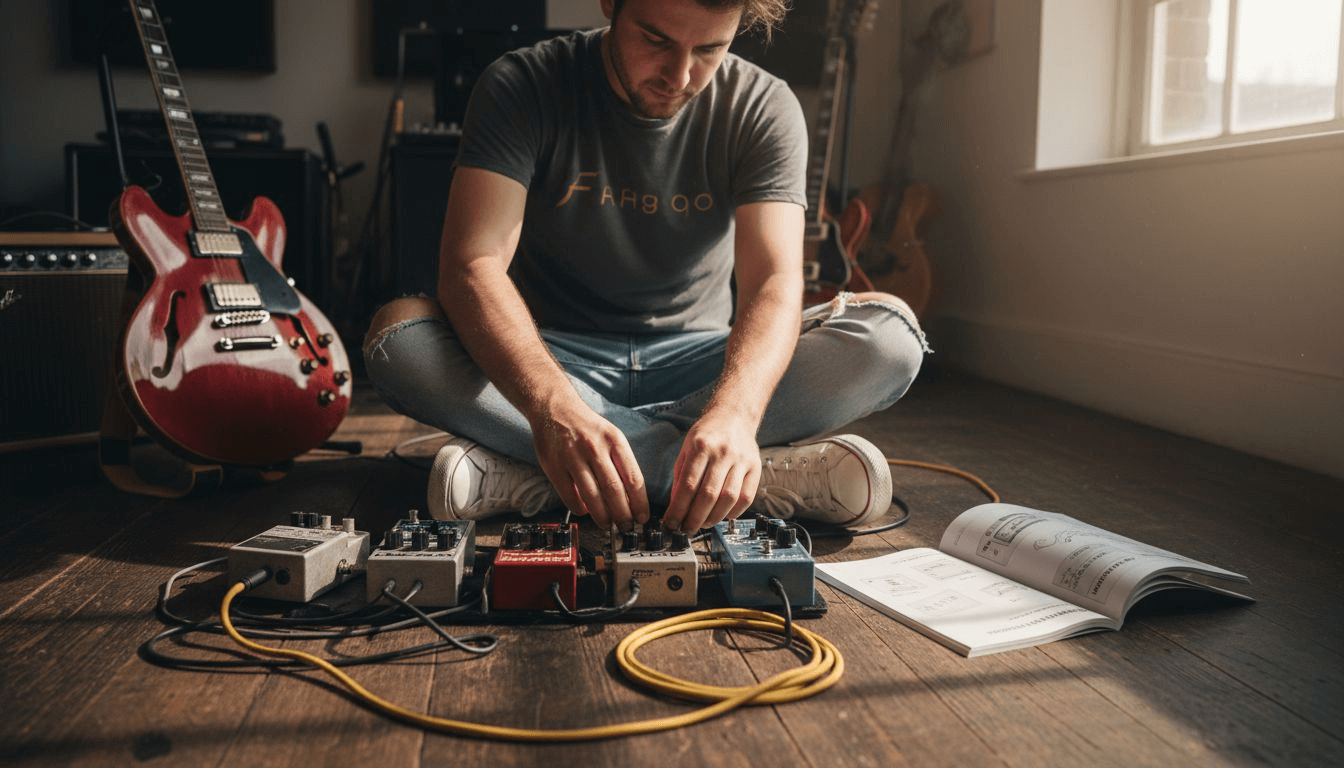
For electric guitar beginners, a simple practice amplifier is sufficient to start. Look for amplifiers with built-in effects and easy-to-use controls. Recommended brands include Fender and Marshall, which offer reliable options for beginners. Additionally, quality cables are essential for connecting your guitar to the amplifier, ensuring a clear sound without interference. Investing in good cables can prevent signal loss and enhance your overall playing experience.
What Common Mistakes Should Beginners Avoid When Buying Their First Guitar?
As a beginner, it's easy to make mistakes when purchasing your first guitar. Being aware of common pitfalls can help you make a more informed decision and avoid regret later on. Understanding what to look for and what to avoid can significantly enhance your learning experience and ensure you choose the right instrument for your needs.
Why Is Trying the Guitar and Setup Important Before Purchase?
Before making a purchase, it's crucial to try out the guitar and ensure it feels comfortable in your hands. Pay attention to the action, which refers to the height of the strings from the fretboard. A guitar with high action can be difficult to play, leading to frustration. Additionally, consider having the guitar professionally set up to ensure optimal playability, which can make a significant difference in your learning experience.
How Can Neglecting Accessories and Warranty Affect Your Beginner Experience?
Neglecting to invest in essential accessories can hinder your progress as a beginner. Without proper tools, such as tuners and cases, you may struggle to maintain your guitar and keep it in good playing condition. Furthermore, purchasing a guitar without a warranty can lead to costly repairs if issues arise. It's essential to consider these factors when making your purchase to ensure a positive and enjoyable learning experience.



Share:
Eddie Van Halen: Innovations in Guitar Playing & Design
Guitar Action Explained – Why It Changes Playability