


Most people believe a luthier simply builds instruments, but the truth reveals a deep heritage. British craftsmanship has shaped centuries of string music, with artisans who do much more than woodworking. In fact, studies show that custom instruments restored by professional luthiers can outperform factory models in both sound quality and longevity. This article uncovers the craft’s hidden history and the real impact of these skilled British creators on musicians worldwide.
Table of Contents
- Defining A Luthier: Craft, History, Misconceptions
- Different Types Of Luthiers And Their Specialisms
- The Art And Skills Behind Luthiery
- Custom Instruments And Repair Services Explained
- Why Musicians Rely On Professional Luthiers
Key Takeaways
| Point | Details |
|---|---|
| Understanding Luthiers | Luthiers are skilled artisans specialising in crafting, repairing, and maintaining string instruments while combining technical expertise with artistic sensibility. |
| Types of Specialisation | Luthiers have distinct specialisms, including classical instrument making, acoustic guitar crafting, electric guitar construction, and historical restoration, each requiring unique skills. |
| Importance of Customisation | Custom instrument creation is a pinnacle of luthier craft, emphasising the necessity for musicians to communicate their specific needs for personalised instruments. |
| Role in Music Quality | Professional luthiers serve as essential partners in maintaining and enhancing instrument performance, requiring ongoing relationships for optimal care and adaptation of instruments to musicians’ evolving needs. |
Defining a Luthier: Craft, History, Misconceptions
A luthier is a skilled artisan dedicated to crafting, repairing, and maintaining string instruments such as guitars, violins, cellos, and mandolins. These highly specialised craftspeople possess a remarkable combination of technical expertise, artistic sensibility, and deep musical understanding. John Edward Betts, a prominent English luthier from the late 18th century, exemplified the professional standard by not only creating exceptional stringed instruments but also establishing himself as a leading instrument dealer in London.
Historically, luthiery emerged as a refined craft during the Renaissance period, with master artisans passing down intricate techniques through generations. George Hart, a notable London-based violin maker in the 19th century, represented this tradition of familial knowledge transfer, learning the craft from his father and subsequently authoring significant texts about instrument making. These craftspeople were not merely manufacturers but true artists who understood the nuanced relationship between materials, design, and sound production.
Contrary to common misconceptions, luthiers do far more than simply construct instruments. They are acoustic engineers, woodworking experts, and musical consultants who help musicians select, customise, and maintain their instruments. Their work involves complex processes like selecting premium tonewoods, understanding precise acoustic properties, carefully shaping instrument bodies, setting up precise neck alignments, and fine-tuning sound quality. Modern luthiers blend traditional handcrafting techniques with contemporary technologies, ensuring each instrument is a unique masterpiece.
Pro Crafting Tip: Research a luthier’s background and portfolio before commissioning a custom instrument, ensuring their specialisation matches your musical requirements and aesthetic preferences.
Different Types of Luthiers and Their Specialisms
Luthiers are not a monolithic group but rather specialised craftspeople with distinct areas of expertise. Some focus exclusively on classical instruments like violins and cellos, while others dedicate themselves to crafting specific types of guitars. Louis Panormo, a notable English luthier from the early 19th century, exemplified this specialisation through his renowned work in classical Spanish-style guitars, demonstrating how focused expertise can elevate instrument making.
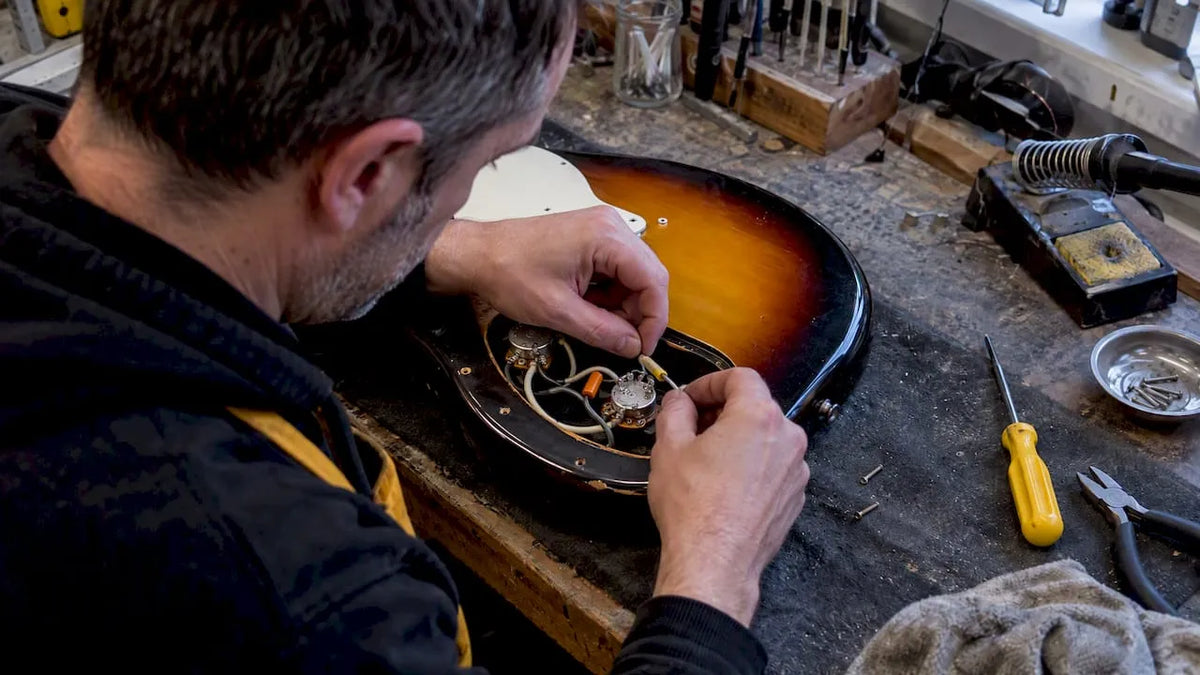
The primary categories of luthiers include classical instrument makers, acoustic guitar specialists, electric guitar craftspeople, and historical instrument restoration experts. Classical instrument luthiers typically work with orchestral instruments like violins, violas, and cellos, requiring extraordinary precision in woodworking and acoustic design. Acoustic guitar luthiers specialise in creating instruments with exceptional tonal qualities, carefully selecting tonewoods and understanding the complex relationship between wood selection, body shape, and sound projection. Electric guitar luthiers focus on intricate electronic components, pickup configurations, and solid-body construction techniques.
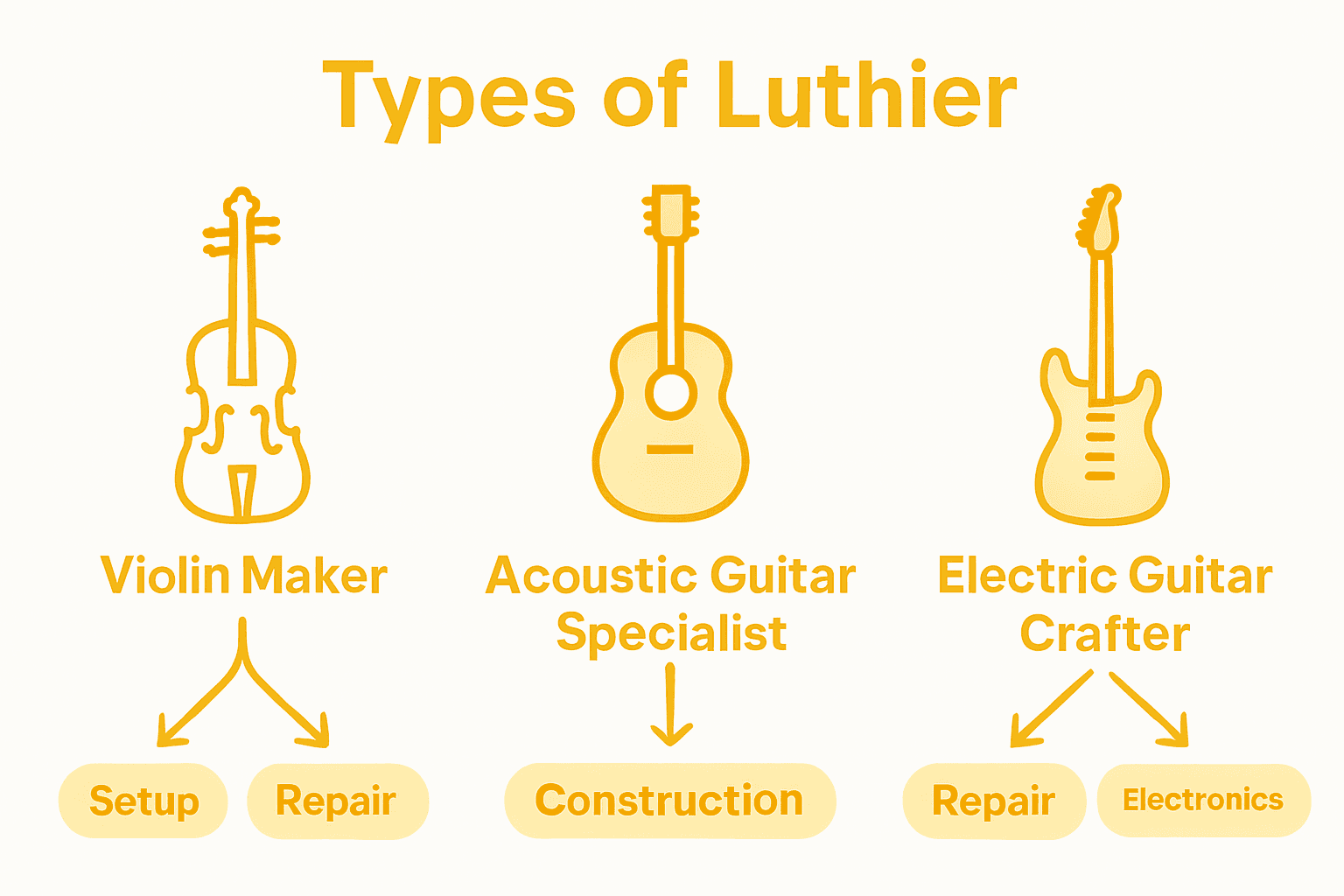
Beyond instrument type, luthiers also specialise by region or historical period. Some craftspeople exclusively reproduce historical instrument designs, meticulously recreating techniques from specific eras like the Renaissance or Baroque periods. Others concentrate on regional styles, such as classical Spanish guitar making or American bluegrass instrument construction. Contemporary luthiers increasingly blend traditional craftsmanship with modern technologies, using computer-aided design and precision machining to enhance their handcrafted techniques.
Pro Workshop Tip: Develop a comprehensive understanding of an instrument’s acoustic properties and construction techniques before attempting to specialise in a specific type of lutherie.
Here is a summary of the main specialisms found among luthiers:
| Luthier Type | Primary Focus | Unique Skills | Common Instruments |
|---|---|---|---|
| Classical Instrument Maker | Precision woodworking, orchestral sound | Acoustic design excellence | Violin, cello, viola |
| Acoustic Guitar Specialist | Tonewood selection, body shaping | Rich tonal balancing | Acoustic guitar |
| Electric Guitar Craftsperson | Electronic setup, pickup installation | Advanced electronics knowledge | Electric guitar |
| Historical Instrument Restorer | Period craftsmanship methods | Preservation of musical heritage | Renaissance-era viols, Baroque violins |
The Art and Skills Behind Luthiery
Luthiery represents a profound fusion of artistic vision, technical precision, and deep musical understanding. More than a mere craft, it demands an intricate balance of scientific knowledge and creative intuition. Instrument design requires understanding the complex relationship between human anatomy and musical ergonomics, ensuring that each instrument not only sounds exceptional but also feels comfortable and natural for the musician.
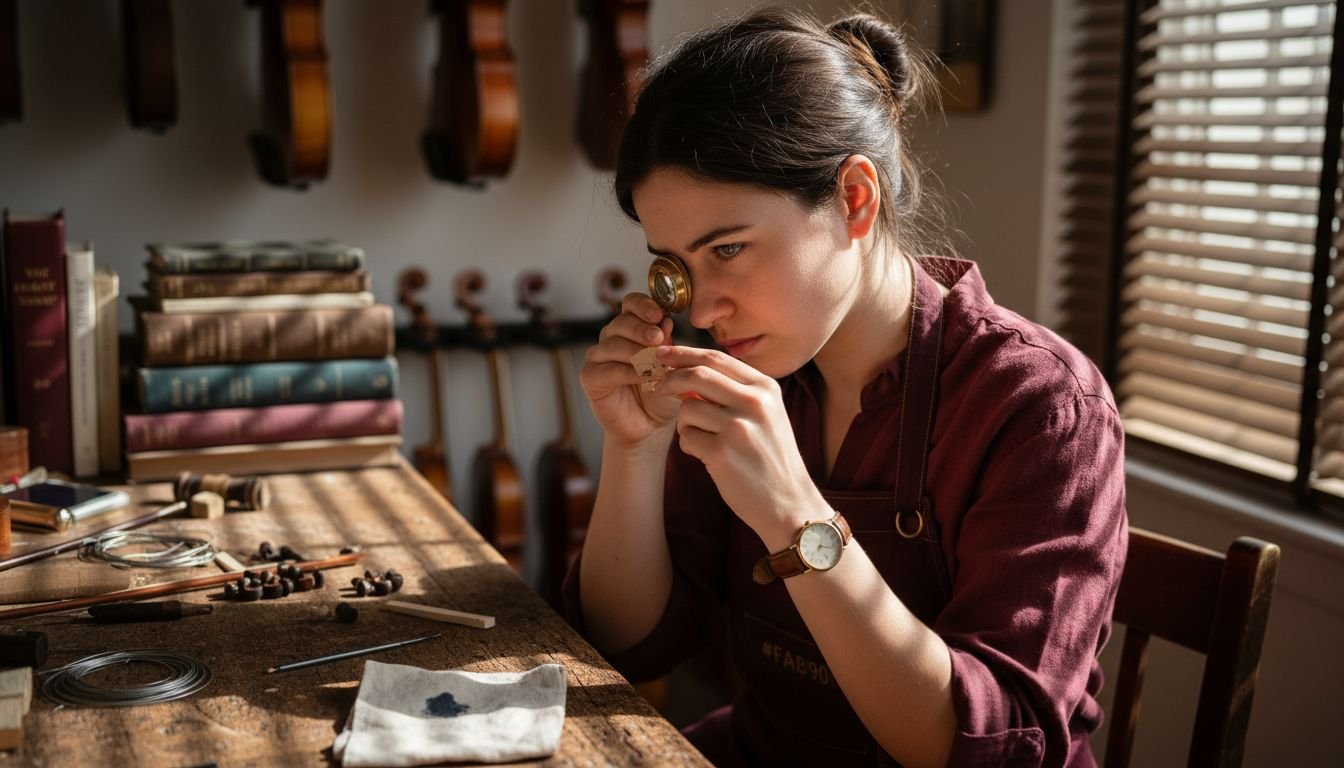
The skills required in luthiery are multifaceted and complex. Woodworking expertise forms the foundation, with luthiers needing exceptional knowledge of wood properties, grain structures, and acoustic characteristics. They must understand how different timber species respond to humidity, temperature, and tension. Precise measurement skills are crucial, with tolerances often measured in fractions of a millimetre. Advanced techniques like steam bending, carving, and intricate joinery transform raw materials into sophisticated musical instruments that can produce nuanced sound qualities.
According to expert luthiers, the craft transcends commercial manufacturing, representing a deeply passionate artistic pursuit. Modern luthiers blend traditional handcrafting techniques with contemporary technologies, using computer-aided design and precision machining to complement their manual skills. They must also possess a profound understanding of acoustic physics, understanding how subtle changes in body shape, bracing, and material selection can dramatically influence an instrument’s tone, resonance, and overall sound quality.
Pro Crafting Tip: Develop a systematic approach to learning lutherie by studying both the scientific principles of acoustics and the traditional skills passed down through generations of instrument makers.
Custom Instruments and Repair Services Explained
Custom instrument creation represents the pinnacle of a luthier’s expertise, where individual musician needs transform into unique musical masterpieces. Hands-on workshops provide aspiring luthiers with critical skills for instrument restoration and creation, ensuring musicians can access personalised instruments that perfectly match their technical requirements and artistic expression.
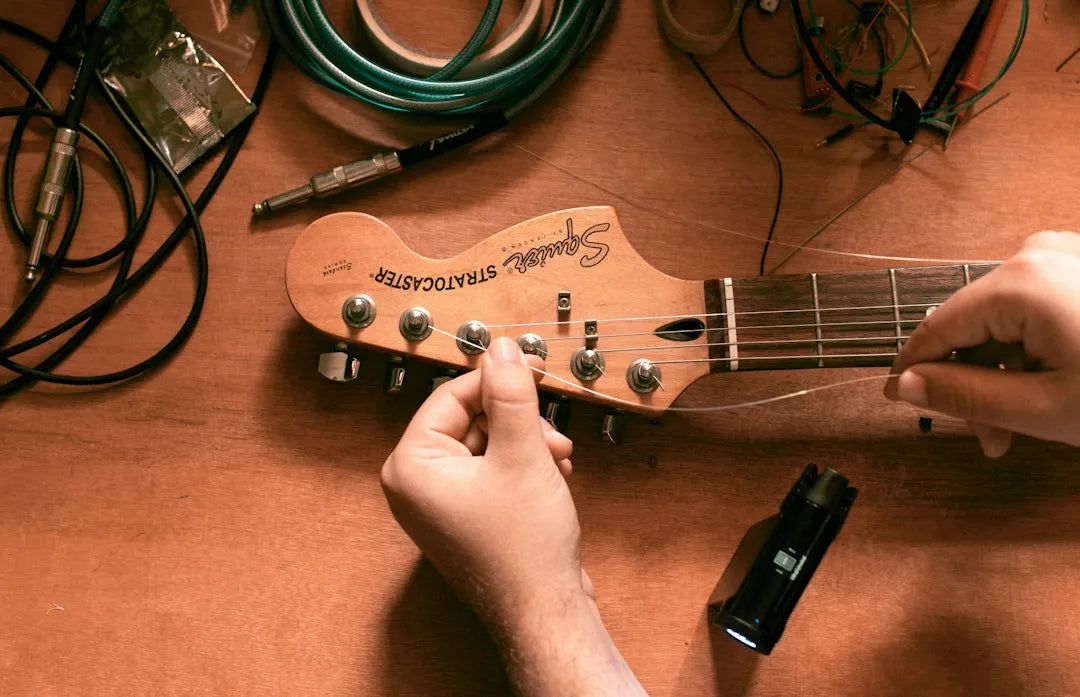
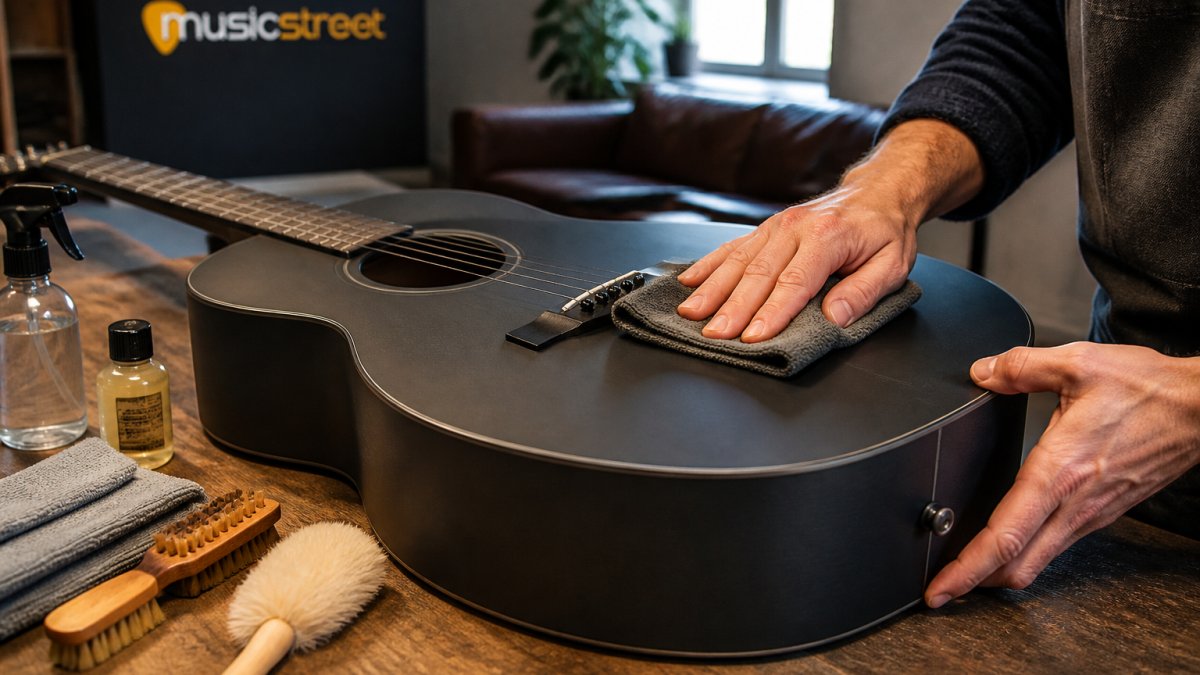
Repair services constitute another crucial aspect of a luthier’s professional repertoire. These services extend far beyond simple maintenance, involving complex diagnostic skills and intricate restoration techniques. Luthiers assess structural integrity, address wood warping, repair structural damage, replace worn components, and recalibrate instrument acoustics. Some specialize in vintage instrument restoration, requiring deep historical knowledge and specialist techniques to preserve the instrument’s original character while ensuring optimal playability.
The declining landscape of instrument making presents significant challenges for music education and professional musicians, highlighting the critical importance of skilled luthiers. Custom instruments represent more than commercial products; they are deeply personal artistic collaborations between musician and craftsperson. Each instrument undergoes meticulous design processes, considering factors like playing style, physical ergonomics, tonal preferences, and aesthetic desires. Modern luthiers leverage both traditional handcrafting skills and advanced technologies like 3D modelling and precision machining to create truly exceptional instruments.
Pro Workshop Tip: Always discuss your precise musical requirements, playing style, and aesthetic preferences in detail when commissioning a custom instrument to ensure the final product perfectly matches your artistic vision.
The following table contrasts custom instrument creation and instrument repair in professional luthiery:
| Service Type | Main Objective | Required Expertise | Typical Customer Need |
|---|---|---|---|
| Custom Instrument Creation | Building one-of-a-kind instruments | Artistic design, precision crafting | Unique sound and aesthetic |
| Instrument Repair/Restoration | Restoring playability and integrity | Diagnostic analysis, careful repairs | Maintaining vintage value, function |
Why Musicians Rely on Professional Luthiers
Musicians depend on professional luthiers for far more than instrument construction. These skilled artisans serve as critical technical partners, ensuring instruments perform at their absolute peak. The suspension of admissions at the Newark School of Violin Making highlights the growing scarcity of highly trained instrument specialists, underscoring the vital role professional luthiers play in maintaining musical instrument quality and heritage.
Professional luthiers provide comprehensive services that extend well beyond initial instrument creation. They offer precision setup and calibration, addressing nuanced aspects like neck alignment, string action, intonation, and structural integrity. Advanced diagnostic skills allow them to identify and remedy potential issues before they compromise an instrument’s performance. Vintage instrument restoration represents another critical service, where luthiers breathe new life into cherished musical tools, preserving their historical significance while ensuring optimal playability.
Educational institutions like the Royal Academy of Music recognize the profound symbiosis between musicians and luthiers, integrating advanced instrument craftsmanship into professional musical training. This relationship goes beyond technical maintenance, representing a deep artistic collaboration. Luthiers understand that each musician has unique physical characteristics, playing techniques, and tonal preferences. They meticulously customize instruments, considering factors like hand size, playing style, genre preferences, and acoustic requirements to create truly personalised musical instruments that feel like natural extensions of the musician’s artistic expression.
Pro Performance Tip: Build a long-term relationship with a trusted luthier who understands your specific musical needs and can provide ongoing instrument maintenance and customisation.
Discover Your Perfect Instrument with Expert Care at MusicStreet
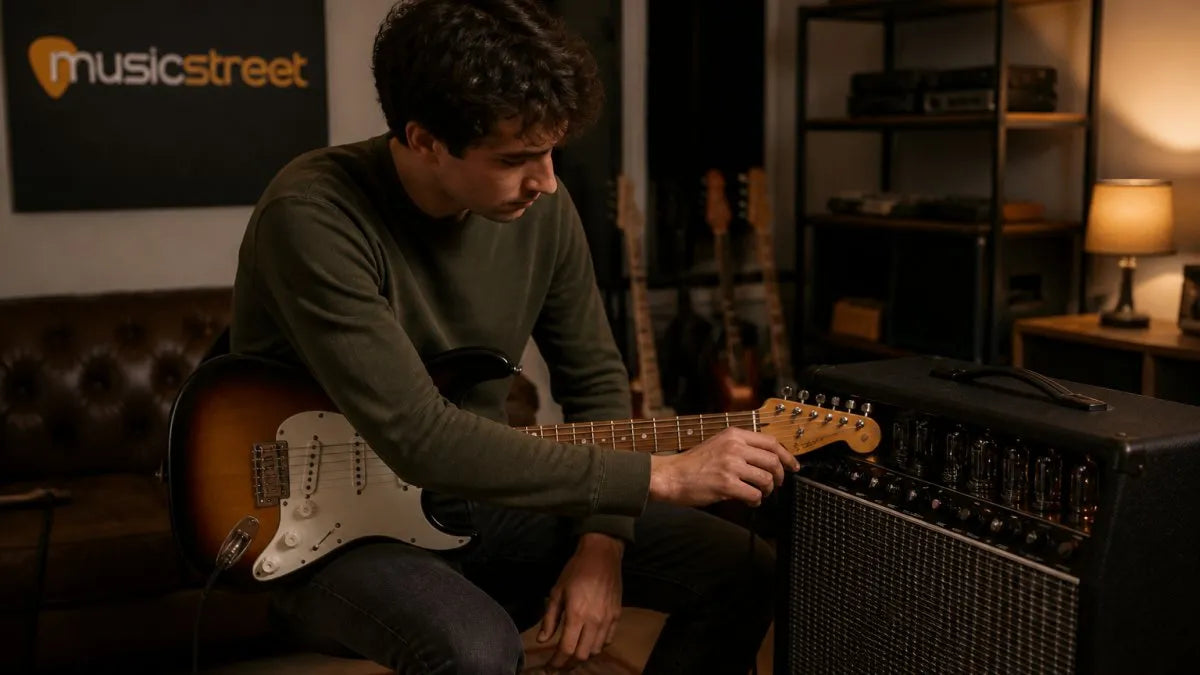
Understanding the vital role of a luthier in crafting and maintaining exceptional instruments reveals the importance of precision, craftsmanship, and personalised service for every musician. Whether you seek a custom setup, expert repairs, or a new acoustic, electric, or bass guitar tailored to your unique style, MusicStreet offers a trusted and specialist solution. Our professional inspection and setup ensure your instrument performs at its best, embracing the same dedication and expertise detailed in the art of luthiery.

Explore our carefully selected collection of new and pre-owned guitars and connect with knowledgeable staff ready to assist you. Act now to experience the perfect blend of traditional craftsmanship and modern technology by visiting MusicStreet. Whether shopping online or visiting our Huntingdon store, your musical journey deserves expert support and high-quality instruments. Start your search for the ideal guitar with confidence today.
Frequently Asked Questions
What exactly does a luthier do?
A luthier is a skilled artisan who crafts, repairs, and maintains string instruments like guitars, violins, and cellos. They possess expertise in woodworking, acoustic engineering, and the overall design of instruments to ensure optimal sound quality and playability.
How do I choose the right luthier for my instrument?
When selecting a luthier, research their background, specialisations, and portfolio. Ensure their expertise aligns with your specific instrument type and your musical requirements, whether it’s custom building or repairs.
What types of instruments do luthiers typically work on?
Luthiers work on a variety of string instruments, including classical instruments (like violins and cellos), acoustic guitars, electric guitars, and historical instruments. Some may even specialise in vintage restoration, focusing on preserving the character of old instruments.
Why is luthiery important for musicians?
Luthiery is vital for musicians as it ensures that instruments perform at their best. Professional luthiers provide not only construction but also essential repair and maintenance services, helping musicians achieve their desired sound and playability while preserving their instruments’ historical significance.



Share:
Discover the Best Sound with Blackstar Amp and More
Why Invest in High End Guitars: Value Beyond Tone