


Discover Your Perfect Guitar

Choosing the right guitar can be a daunting task, especially with the myriad of options available today. Each type of guitar offers unique features and benefits that cater to different playing styles and musical genres. In this article, we will explore the various guitar types, their key characteristics, and how to select the best one for your needs. Whether you're a beginner or an experienced player, understanding the differences between electric, acoustic, and classical guitars will help you make an informed decision. We will also delve into the advantages of acoustic guitars, the impact of body shapes and pickups on sound, and how to connect with local music events and artists. By the end of this guide, you'll have a clearer idea of which guitar type suits you best.
What Are the Main Types of Guitars and Their Key Features?
Guitars can be broadly categorized into three main types: electric, acoustic, and classical. Each type has distinct features that influence their sound and playability.
How Do Electric, Acoustic, and Classical Guitars Differ?
Electric guitars are designed to be amplified, using pickups to convert string vibrations into electrical signals. This allows for a wide range of sounds and effects, making them popular in rock, jazz, blues, and pop music. Acoustic guitars, on the other hand, produce sound naturally through their hollow bodies, making them ideal for folk, country, and singer-songwriter genres. Classical guitars feature nylon strings, which provide a softer tone and are often used in classical, flamenco, and Latin music. Understanding these differences is crucial for selecting the right guitar for your musical style.
What Are the Characteristics of Hollow Body and Solid Body Guitars?
Hollow body guitars are known for their warm, resonant sound, making them suitable for jazz, blues, and rockabilly. They have a larger body that enhances acoustic properties. Semi-hollow body guitars, a subtype, combine features of hollow and solid bodies. Solid body guitars, however, are more versatile and resistant to feedback, making them a favorite among rock, metal, and pop players. The choice between hollow and solid body guitars ultimately depends on the desired sound and playing style.
Which Guitar Types Are Best Suited for Beginners?
When starting out, it's essential to choose a guitar that is easy to play and suits your musical interests.
What Makes a Guitar Beginner-Friendly?
Beginner-friendly guitars typically have a comfortable neck width, low string action, and lightweight design. These features make it easier for new players to press down on the strings and form chords without excessive strain. Additionally, guitars with a simpler setup and standard six strings can help beginners focus on learning the basics.
How Do Electric and Acoustic Guitars Compare for New Players?
Electric guitars often have lighter gauge strings and lower action, making them easier to play for beginners. They also allow for a variety of sounds through amplification. Acoustic guitars, while sometimes having slightly higher action and thicker strings, offer a more straightforward approach to learning chords and strumming patterns. Ultimately, the choice between electric and acoustic depends on the player's musical preferences.
How Do Guitar Body Shapes and Pickup Types Affect Sound and Playability?
The body shape of a guitar significantly influences its sound and playability.
What Are the Common Guitar Body Shapes and Their Benefits?
Common guitar body shapes include dreadnought, concert, and parlor. Dreadnought guitars are known for their powerful, bass-rich sound and are great for strumming and flatpicking. Concert guitars offer a more balanced tone with a slightly smaller body, while parlor guitars are smaller and easier to handle, making them ideal for fingerstyle playing and travel. Each shape has its unique benefits, catering to different playing styles and preferences.
How Do Different Pickup Types Influence Guitar Tone?
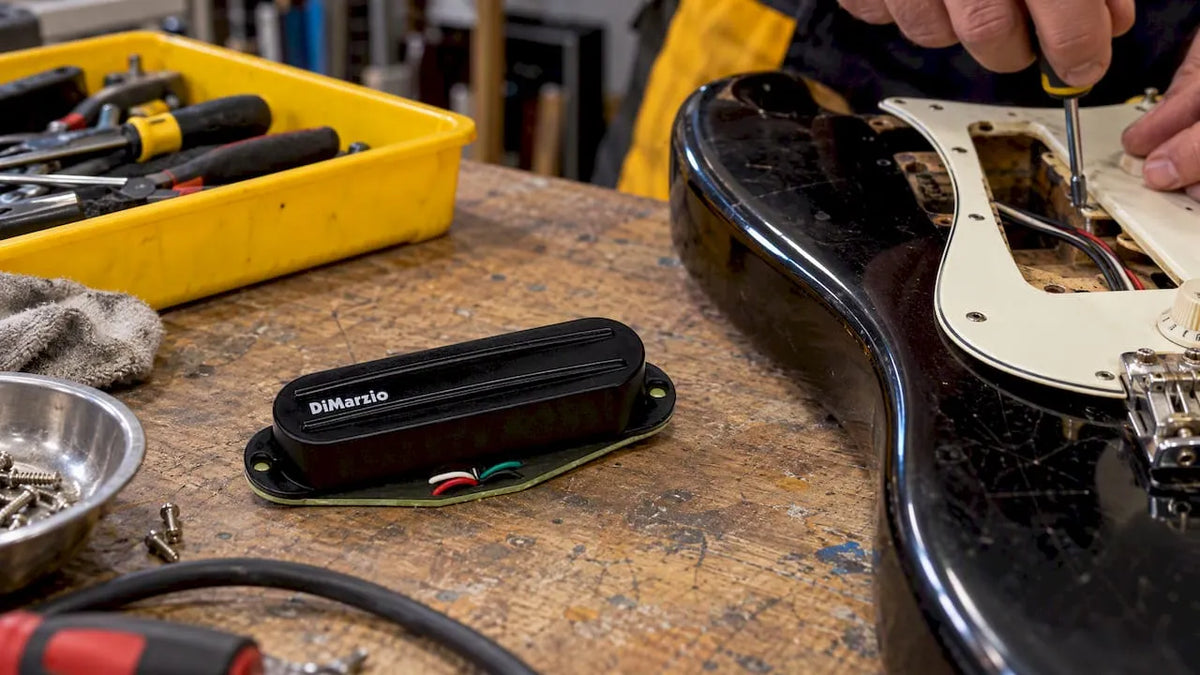
Guitar pickups come in various types, including single-coil and humbucker. Single-coil pickups produce a bright, clear, and sometimes sharper sound, while humbuckers offer a thicker, warmer, and fuller tone with reduced hum. The choice of pickup type can greatly affect the overall sound of the guitar, making it essential to consider when selecting an instrument.
What Are the Advantages of Acoustic Guitars and Their Tonewoods?
Acoustic guitars are celebrated for their rich, natural sound and versatility across genres.
Which Tonewood Materials Are Used in Acoustic Guitars?
Common tonewoods used in acoustic guitars include spruce, mahogany, and rosewood. Spruce is known for its bright, clear tone and strong projection, while mahogany provides warmth and a focused midrange. Rosewood enhances the guitar's resonance and sustain with rich overtones. The choice of tonewood can significantly impact the guitar's sound quality and overall performance.
Further research emphasizes the critical role of tonewood selection in shaping a guitar's acoustic properties and overall sound quality.
Tonewood Selection for Guitar Sound Quality
Tonewood selection plays a critical role in the sound quality and performance of stringed instruments, with species such as spruce, maple, and mahogany being commonly used due to their superior mechanical and acoustic attributes. The discussion highlights the physical properties of these woods, including density, stiffness, and damping capacity, which collectively influence their suitability for specific instrument components.
Tonewood: Acoustic Identification, M Roohnia, 2025
How Do Acoustic Guitars Enhance Local Music Events and Artist Performances?
Acoustic guitars play a vital role in local music events, providing a warm, inviting sound that resonates well in intimate settings. Many artists showcase their skills using acoustic guitars, allowing for a personal connection with the audience. Events featuring local musicians often highlight the unique qualities of acoustic performances, making them a staple in community gatherings.
How Can You Choose the Right Guitar Based on Your Playing Style and Preferences?
Selecting the right guitar involves considering your playing style and personal preferences.
What Role Do Neck Profiles and Scale Lengths Play in Guitar Comfort?
Neck profiles and scale lengths can greatly affect playability. A comfortable neck profile allows for easier chord transitions, while the scale length influences string tension and overall feel. Players should try different neck profiles and scale lengths to find the one that feels best in their hands.
How Do Brand Preferences Influence Guitar Selection?
Brand reputation can also play a role in guitar selection. Well-known brands like Fender, Gibson, and Yamaha offer a range of quality instruments that cater to different budgets and preferences. However, it's essential to prioritize playability and sound over brand loyalty when making a choice.
Where Can You Experience Local Guitar Events and Connect with Guitar Artists?
Local music events provide an excellent opportunity to experience different guitar types and connect with artists.
What Local Music Events Feature Guitar Performances?
Many community events, such as open mic nights, music festivals, and local concerts, feature guitar performances. These gatherings allow attendees to enjoy live music while discovering new artists and styles. Engaging with local musicians can also provide valuable insights into different guitar types and playing techniques.
How Do Guitar Artists Showcase Different Guitar Types at Events?
At local events, guitar artists often showcase a variety of guitar types, demonstrating their unique sounds and capabilities. This exposure allows audiences to appreciate the diversity of guitars and may inspire attendees to explore different styles themselves. Connecting with local artists can also lead to opportunities for collaboration and learning.
For more information on guitars, you can visit Music Street.








Share:
String Gauge Explained: Impact on Tone and Playability
Find Your Sound: Local Guitar Shops Near Me Today