


Starting your guitar journey can feel overwhelming when you are faced with picking the right instrument, gathering the tools, and mastering the basics. It is easy to feel stuck without practical guidance to help you make confident decisions, protect your gear, and set yourself up for musical success. Many new guitarists do not realise that small choices early on, like the type of guitar or proper maintenance routines, make a huge difference in their learning experience.
This guide is packed with clear, actionable steps, from understanding playability to learning how to tune and care for your guitar. You will get practical tips to avoid common mistakes and find out which accessories truly help. If you are ready to turn curiosity into real progress, you are about to discover the most useful tricks and resources for new guitar players.
Table of Contents
- Choosing The Right Guitar For Your Needs
- Essential Guitar Accessories To Get Started
- Simple Guitar Care And Maintenance Tips
- How To Tune Your Guitar Accurately
- Best Practice Habits For Fast Progress
- Understanding Basic Guitar Chords
- Getting Expert Help From Local Specialists
Quick Summary
| Takeaway | Explanation |
|---|---|
| 1. Choose the right guitar type | Consider your musical style to decide between acoustic and electric guitars. This choice affects your learning and enjoyment of playing. |
| 2. Invest in essential accessories | Guitar picks, tuners, and straps are vital for enhancing your playing experience. Proper accessories support your musical development. |
| 3. Maintain your guitar regularly | Regular care, such as cleaning and string replacement, ensures longevity and sound quality. Proper maintenance transforms a good instrument into an exceptional one. |
| 4. Practice consistently | Short daily practice sessions yield better results than infrequent long sessions. Consistency builds muscle memory and keeps skills fresh. |
| 5. Seek expert guidance | Local instructors offer personalised support, helping you avoid common mistakes. Engaging with professionals can significantly enhance your progress. |
1. Choosing the Right Guitar for Your Needs
Selecting the right guitar is a pivotal moment for every aspiring musician. Your first instrument can significantly impact your learning journey and overall enjoyment of playing.
Beginners often face a critical decision: choosing between acoustic and electric guitars. Each type offers unique advantages for different musical styles and learning preferences. Consider these key factors when making your selection:
- Acoustic guitars are excellent for folk, classical, and singer-songwriter styles
- Electric guitars work best for rock, blues, and contemporary genres
- Beginner-friendly models typically offer more comfortable playability
The physical characteristics of the guitar matter immensely. Factors like body size, neck width, and string tension dramatically influence your playing comfort and initial learning experience. Choosing the perfect guitar involves understanding your personal ergonomic needs and musical aspirations.
When evaluating potential guitars, pay attention to:
- Neck width and shape
- Guitar weight
- String action (distance between strings and fretboard)
- Overall instrument balance
The right guitar feels like an extension of yourself - comfortable, intuitive, and inspiring.
Playability should be your primary consideration. A guitar that feels natural and comfortable will encourage consistent practice and faster skill development.
Expert tip: Visit a local music shop and physically try multiple guitars before making your final decision.
2. Essential Guitar Accessories to Get Started
Starting your guitar journey requires more than just the instrument itself. Essential guitar accessories can significantly enhance your playing experience and learning progression.
Every beginner guitarist needs a core set of tools to support their musical development. These accessories not only improve your playing comfort but also protect your instrument and enhance your overall sound.
Key accessories every new guitarist should invest in include:
- Guitar picks for different playing styles
- Tuner to keep your instrument perfectly pitched
- Instrument cable for electric guitars
- Guitar strap for standing performances
- Soft cleaning cloth to maintain your instrument
Choosing the Right Accessories
Picks come in various thicknesses and materials. Thinner picks (around 0.50mm) work well for strumming, while thicker picks (0.70-1.0mm) provide better control for precise playing.
Every accessory is an investment in your musical journey.
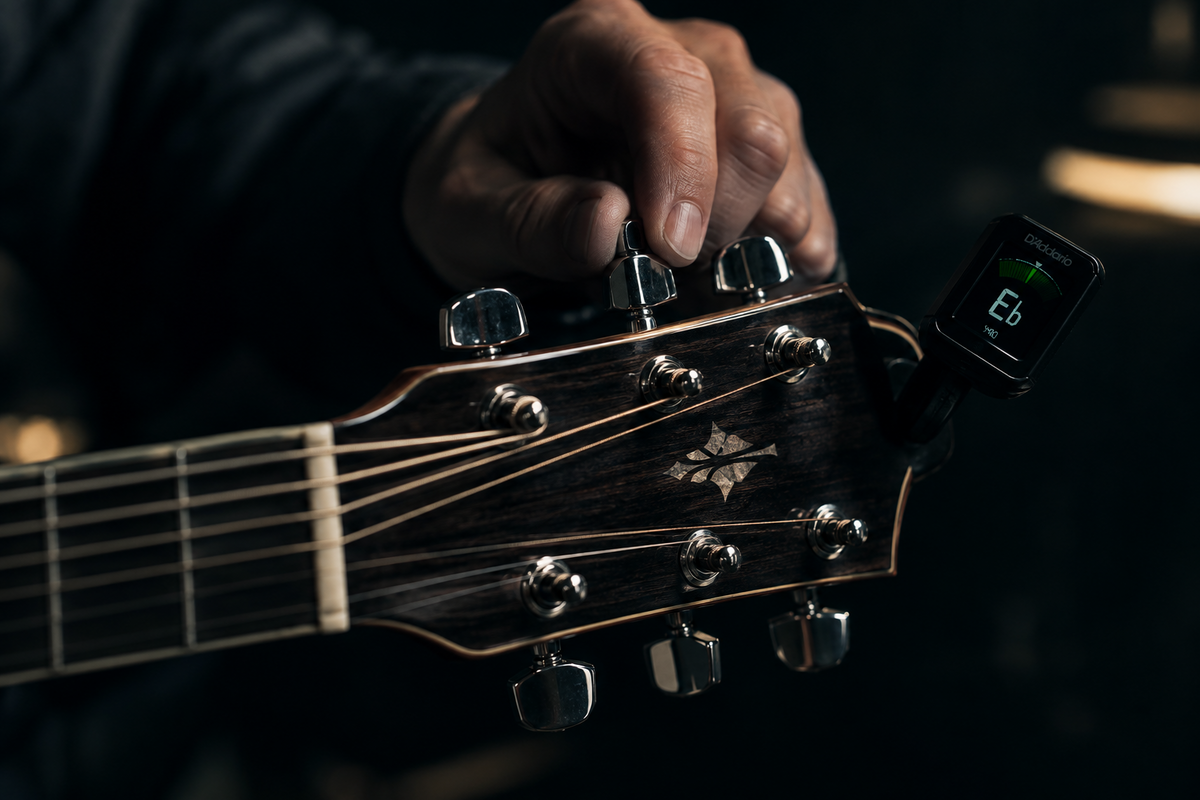
A reliable electronic tuner is crucial. Digital tuners are affordable and ensure your guitar stays in perfect tune. Some clip-on models can attach directly to your guitar’s headstock for convenient tuning.
Consider the type of guitar when selecting accessories. Acoustic and electric guitars have different requirements for cables, amplification, and maintenance.
Pro tip: Purchase a beginner’s accessory kit that includes multiple essential items to save money and ensure you have everything you need to start playing.
3. Simple Guitar Care and Maintenance Tips
Maintaining your guitar is crucial for preserving its sound quality and longevity. Equipment maintenance guidelines are essential for protecting your investment and ensuring optimal performance.
Proper guitar care involves more than just occasional cleaning. Regular maintenance prevents damage and helps your instrument sound its best for years to come.
Key maintenance practices include:
- Cleaning the fretboard after each playing session
- Storing the guitar in a stable environment
- Checking and replacing strings regularly
- Monitoring humidity levels around your instrument
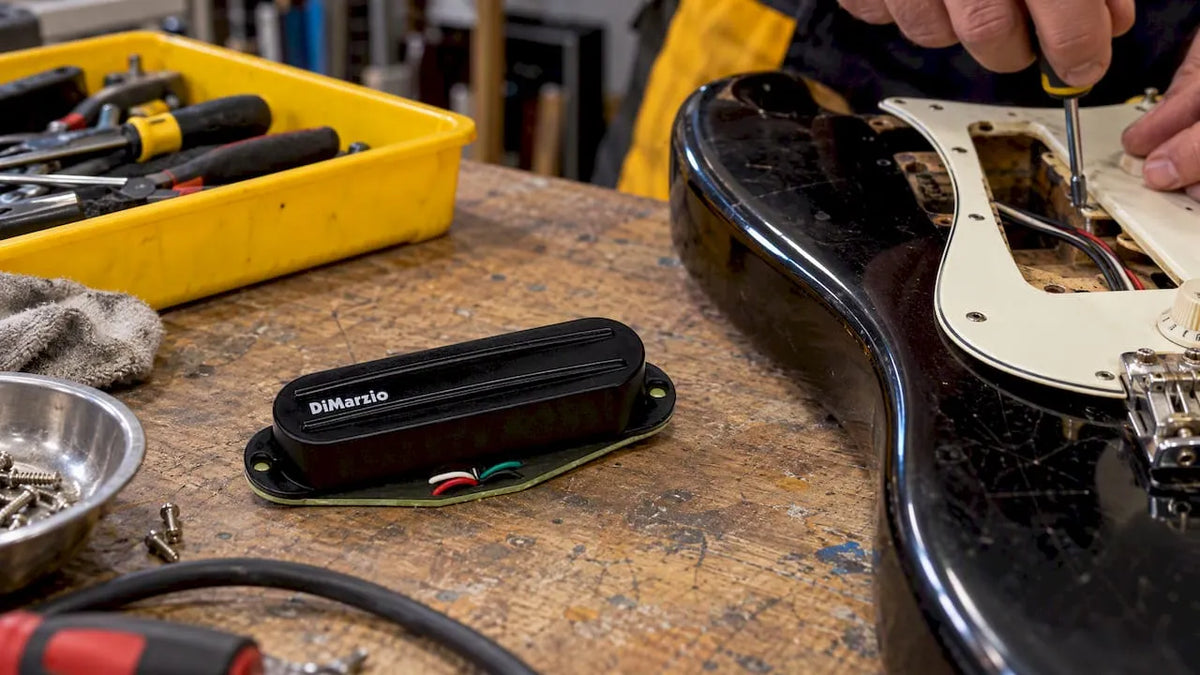
- Inspecting hardware for loose components
Essential Cleaning Techniques
String maintenance is particularly important. Wipe down your strings with a soft cloth after playing to remove oils and dirt. This simple habit can significantly extend string life and maintain sound quality.
Consistent care transforms a good instrument into an exceptional one.
Environmental factors play a crucial role in guitar preservation. Extreme temperatures and humidity can cause wood to warp or crack. Invest in a hard case with humidity control for optimal protection.
Regular visual inspections help catch potential issues early. Look for signs of wear on the fretboard, neck alignment, and hardware connections.
Pro tip: Keep a dedicated guitar maintenance kit with microfibre cloths, string cleaner, and fretboard conditioner to make your care routine simple and effective.
4. How to Tune Your Guitar Accurately
Tuning your guitar is a fundamental skill every musician must master. Guitar tuning techniques are essential for producing beautiful music and developing your ear.
Accurate tuning ensures your instrument sounds its best and helps you progress more quickly as a musician. Without proper tuning, even the most expensive guitar will sound terrible.
Multiple tuning methods exist for beginners:
- Electronic tuners for precise pitch
- Tuning apps on smartphones
- Tuning forks for traditional musicians
- Relative tuning by ear
- Online tuning resources
Standard Tuning Basics
Standard guitar tuning follows the EADGBE pattern from the lowest to highest string. Each string represents a specific musical note that must be precisely adjusted.
Consistent and accurate tuning transforms good playing into great music.
Beginners should invest in a reliable electronic tuner. These devices provide visual and audio feedback to help you adjust string tension quickly and accurately.
Practice tuning regularly to train your ear. Start by using an electronic tuner and gradually learn to recognise correct pitch without assistance.
Pro tip: Tune your guitar before every practice session to develop good habits and maintain instrument quality.
5. Best Practice Habits for Fast Progress
Mastering the guitar requires more than talent. Habit formation strategies are crucial for developing consistent musical skills.
Successful guitarists understand that progress comes from disciplined and structured practice. Random, unfocused sessions will slow your learning and diminish motivation.
Key practice habits for rapid improvement include:
- Short daily practice sessions
- Focused skill repetition
- Structured learning approach
- Recording your progress
- Setting clear musical goals
Designing Your Practice Routine
Consistent practice matters more than marathon sessions. Aim for 15-30 minutes daily rather than one lengthy weekly practice. This approach helps build muscle memory and keeps skills fresh.
Small steps taken consistently create extraordinary musical journeys.
Beginners should prioritise learning fundamental techniques. Start with basic open chords and gradually introduce more complex techniques as your confidence grows.
Tracking progress motivates continued learning. Consider using a practice journal to document your improvements and maintain accountability.
Pro tip: Schedule your practice at the same time each day to transform guitar playing from a hobby into a reliable habit.
6. Understanding Basic Guitar Chords
Learning guitar chords is the gateway to playing music. Chord numbering systems help beginners understand musical structure and progression.
Chords form the foundation of most musical compositions. Understanding how they work will transform your ability to play and interpret music.
Basic chord types every guitarist should know include:
- Open chords
- Major chords
- Minor chords
- Seventh chords
- Power chords
Chord Construction Basics
Major and minor chords are built using specific intervals from the root note. A major chord consists of the root, major third, and perfect fifth, while a minor chord replaces the major third with a minor third.
Chords are the building blocks of musical expression.
Beginners should focus on mastering open chords first. These require fewer finger positions and are easier to transition between. Common open chords like A, D, G, and E form the basis of countless songs.
Practice chord transitions slowly. Move between chords smoothly and deliberately to build muscle memory and accuracy.
Pro tip: Start by learning three to four open chords and practise switching between them until the movements feel natural and effortless.
7. Getting Expert Help from Local Specialists
Navigating your guitar learning journey can be challenging without proper guidance. Expert musician support can transform your musical development and accelerate your skills.
Local specialists provide personalised insights that online tutorials cannot match. Professional guidance helps beginners avoid common mistakes and develop robust playing techniques.
Ways to connect with guitar expertise include:
- Local music schools
- Independent guitar tutors
- Community music workshops
- Professional musician networks
- Music education charities
Finding the Right Support
Professional instruction offers tailored learning experiences. A good instructor understands your unique learning style and can design a curriculum specific to your musical goals.
Expert guidance turns potential into genuine musical talent.
Beginners should research local music communities. Many towns have music groups, guitar clubs, and educational programmes offering structured learning environments.
Consider multiple teaching approaches. Some learners prefer one-to-one lessons, while others thrive in group settings with peer interaction.
Pro tip: Attend local open mic nights or guitar workshops to network with experienced musicians and discover potential mentors in your area.
Below is a comprehensive table summarising the essential insights and recommendations provided in the article on beginning your guitar journey effectively.
| Topic | Details | Key Considerations |
|---|---|---|
| Choosing the Right Guitar | Acoustic guitars are ideal for folk and classical music, while electric guitars suit rock and contemporary styles. Opt for beginner-friendly models for comfort. | Evaluate neck width, string tension, and guitar weight to ensure ergonomic suitability. |
| Essential Accessories | Picks, tuners, instrument cables, straps, and cleaning cloths enhance playing and maintenance. | Select accessories based on guitar type for improved performance and care. |
| Guitar Care | Regular cleaning of fretboard and strings, proper storage, and monitoring humidity protect the instrument. | Use a maintenance kit including string cleaner, microfibre cloths, and humidor for efficient upkeep. |
| Accurate Tuning | Master standard tuning (EADGBE) using electronic tuners or apps for precision. | Tune before each session to develop reliable habits and ear training. |
| Practice Strategies | Short, focused daily sessions build muscle memory and skill retention. Track progress and set clear goals. | Begin with basic techniques and gradually incorporate complexity as proficiency increases. |
| Learning Chords | Master open, major, minor, seventh, and power chords for foundational playing. | Focus on chord transitions and finger positioning for smooth progression. |
| Seeking Expert Help | Professional instructors and community workshops offer tailored guidance. | Research local music schools or group lessons to enhance learning experiences. |
Find Your Perfect Guitar and Accessories at MusicStreet for a Confident Start
Starting your guitar journey can feel overwhelming with so many choices around. This article highlights the importance of selecting the right guitar that feels comfortable and inspires you to practice regularly. It also stresses the need for essential accessories and expert guidance to develop good habits and maintain your instrument well. Whether you are looking for beginner-friendly electric or acoustic guitars, picks that suit your style, or reliable tuners MusicStreet is here to support every step of your learning path.

Explore our carefully curated collection of new and pre-loved guitars designed for beginners and seasoned players alike at MusicStreet. Benefit from professional guitar setups, thorough inspections and personalized advice that ensures your instrument feels just right. Don’t wait to create extraordinary musical memories — start building your guitar arsenal today with easy online shopping, free UK delivery over a certain amount, and expert aftercare. Visit MusicStreet now and experience the passion and support that turns first-time players into confident musicians.
Frequently Asked Questions
What is the best type of guitar for beginners?
Choosing between an acoustic or electric guitar depends on your musical preferences. Acoustic guitars are ideal for folk and classical styles, while electric guitars suit rock and blues. Consider trying both types to see which feels more comfortable for you.
How often should I practice as a beginner guitarist?
Aim for short, focused practice sessions of 15 to 30 minutes daily. This approach will help build muscle memory and keep your skills sharp, leading to faster progress over time.
What essential accessories do I need to start playing guitar?
Essential accessories for beginner guitarists include a tuner, guitar picks, a guitar strap, and a soft cleaning cloth. Invest in these items to enhance your playing experience and maintain your instrument’s quality.
How can I maintain my guitar properly?
Regular maintenance involves cleaning the fretboard after each session, storing the guitar in a stable environment, and checking strings for wear. Set a routine for inspecting and caring for your guitar to prolong its life and sound quality.
What are some tips for learning basic guitar chords?
Start by mastering open chords, as they are easier to transition between. Focus on three to four open chords and practise switching between them regularly to build your confidence and skill.
How can local specialists help me with my guitar learning?
Local specialists, such as music school instructors or community workshops, provide personalised insights and tailored learning experiences. Seek out these resources to receive guidance that can accelerate your progress and help avoid common beginner mistakes.







Share:
Guitar Neck Shapes Explained: Playability Matters
Folk Guitar: Storytelling Through Acoustic Melodies