Understanding the Dirt: Overdrive vs. Distortion
While they are often grouped together, overdrive and distortion pedals behave very differently under the hood. Understanding these differences is key to mastering your gain staging and finding the right pedal guitarra overdrive or distortion for your musical style.
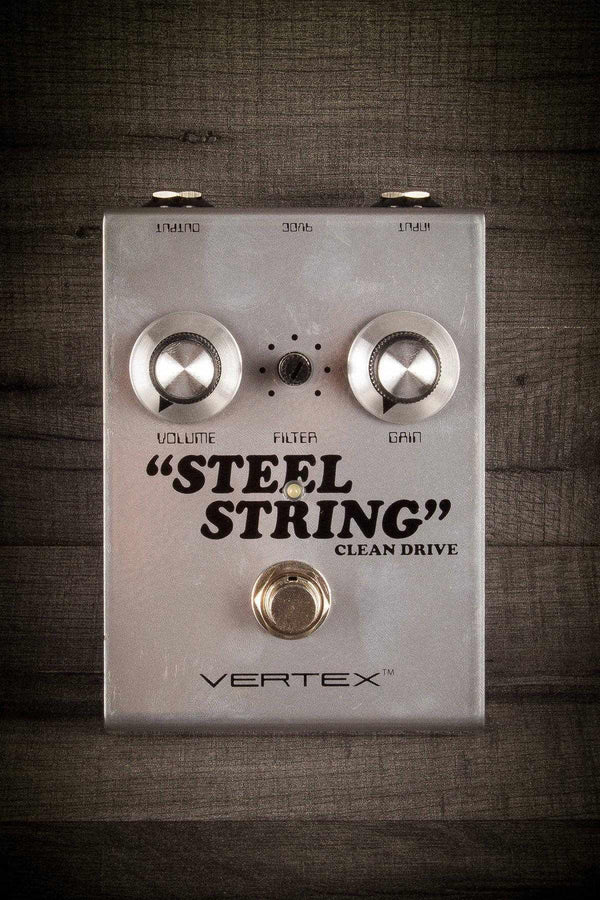
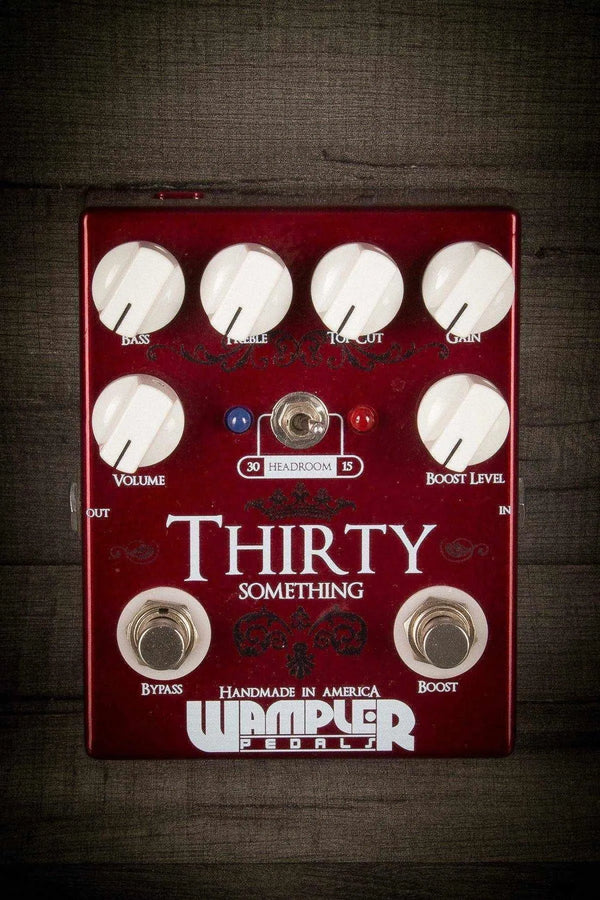
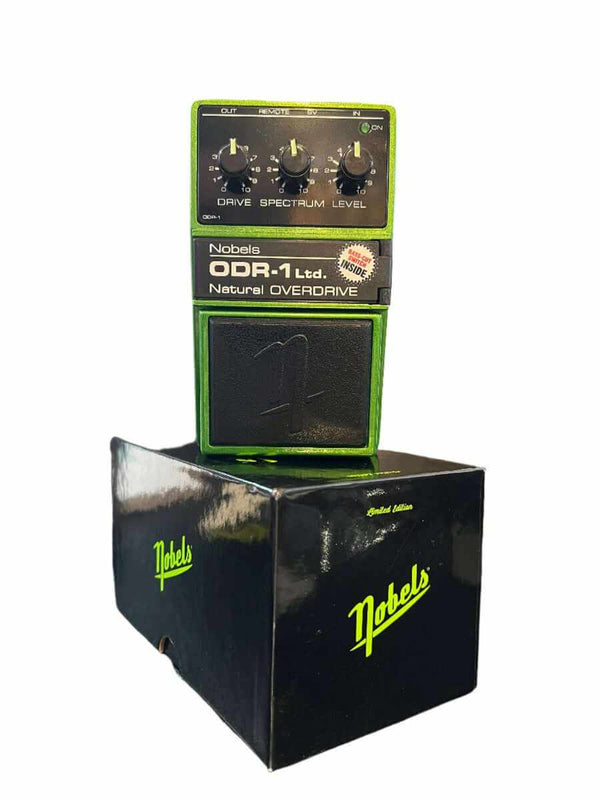
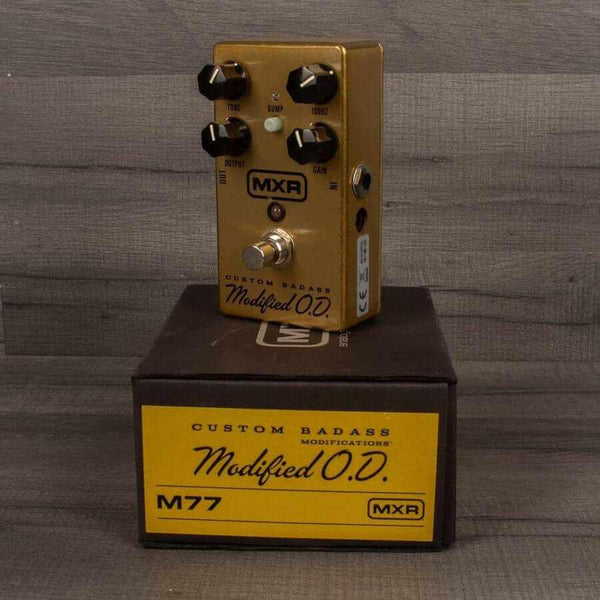
An overdrive pedal is designed to mimic the natural, dynamic breakup of a tube amplifier pushed to its limits. It responds directly to your playing dynamics—sounding clean when you play softly, and breaking up into a warm, compressed crunch when you dig in. This is achieved through soft clipping, where the peaks of your guitar's signal waveform are gently rounded off.
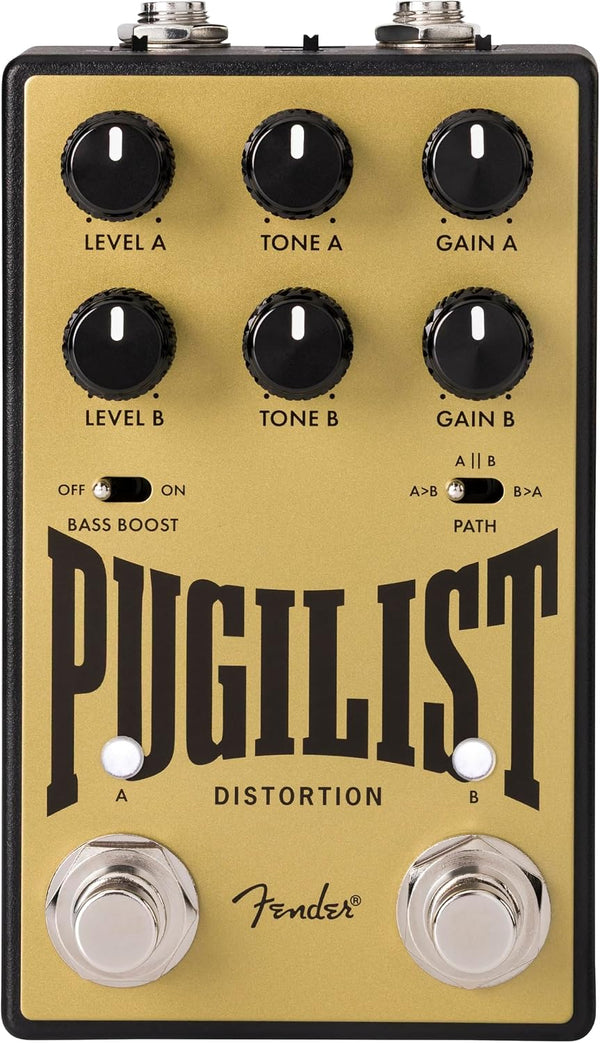
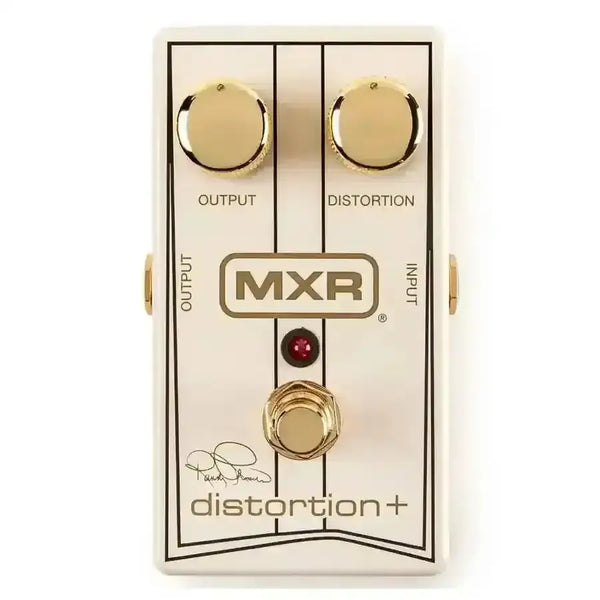
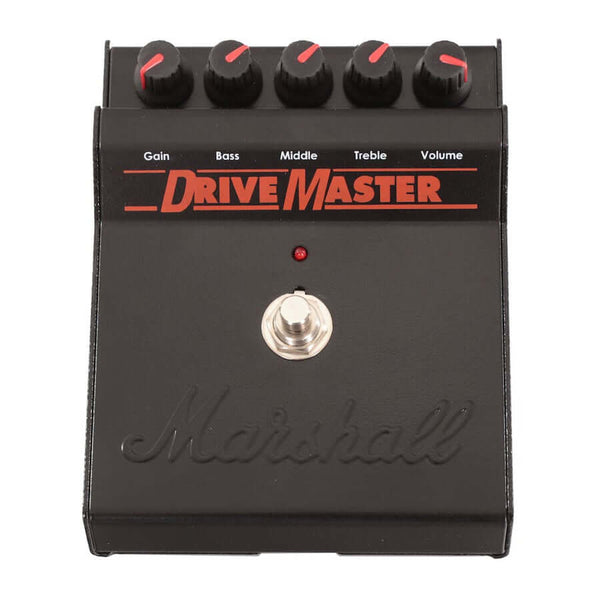
A distortion pedal, on the other hand, alters your signal completely, regardless of how hard you strike the strings. It delivers a highly consistent, saturated, and aggressive sound by utilizing hard clipping, which cuts the peaks of the waveform flat. This creates a tighter, sharper, and more harmonically rich sound that is perfect for heavy rock, punk, and metal.
🔧 Rigorous Inspection
Every pedal is thoroughly tested, jack-cleaned, and play-tested by our in-house technicians before being listed for sale.
🛡️ 12-Month Warranty
We stand behind every product we sell. All of our pedals come with a full 12-month warranty, giving you complete peace of mind with your purchase.
🚚 Free UK Delivery & 14-Day Returns
Get free, fully insured UK shipping on all orders over £99. If the pedal isn't the perfect fit for your board, return it to us within 14 days for a hassle-free refund or exchange.
The Art of Gain Staging
Gain staging is the practice of stacking multiple gain stages (such as running a low-gain overdrive into a high-gain distortion, or pushing a dirty amp with a boost) to build complex, multi-dimensional textures. For example, running a mid-focused pedal overdrive guitarra into a hard-clipping distortion can tighten up the low-end and add singing sustain to your solos, allowing you to cut through any band mix with ease.
Iconic Pedals in Our Collection
We are proud to stock some of the most legendary and influential drive circuits in the history of guitar gear:
Ibanez Tube Screamer
The undisputed king of soft clipping. The Ibanez Tube Screamer (such as the TS9 or TS808) is famous for its signature mid-range "hump" and low-end roll-off. It is the ultimate tool for tightening up a high-gain tube amp or adding warm, vocal sustain to blues solos.
Klon Centaur Style
The gold standard of transparent overdrive. Originally designed to preserve the natural voice of your guitar and amp, Klon-style circuits blend clean boost with a highly musical, touch-sensitive overdrive, making them the ultimate "always-on" tone enhancers.
Boss DS-1 & ProCo RAT
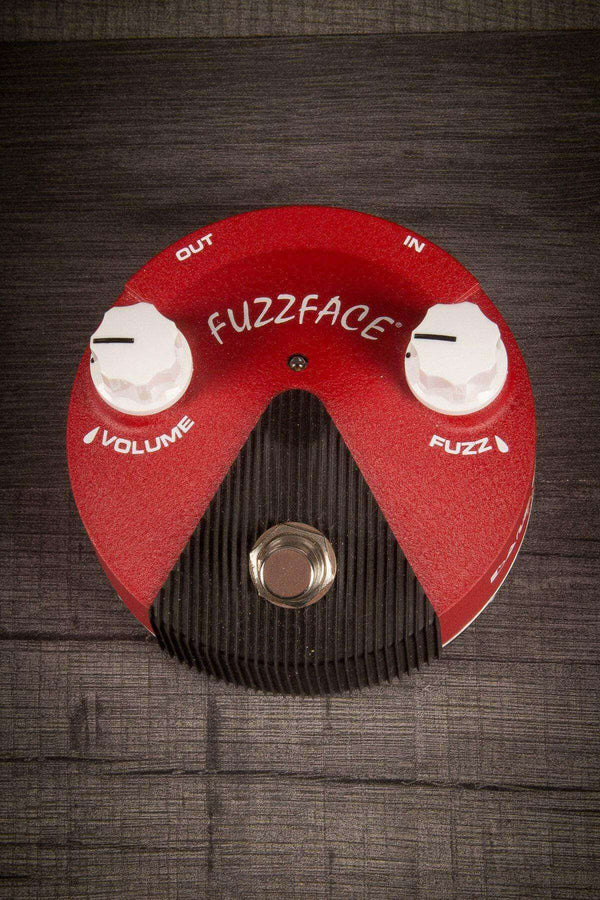
The definitive orange box. The Boss DS-1 is a legendary hard-clipping distortion pedal that has defined the sound of rock guitar since 1978. For ultimate versatility, the ProCo RAT utilizes a unique hard-clipping circuit that sweeps seamlessly from a sweet, vintage-style overdrive to a thick, aggressive distortion, and all the way into fuzzy, doom-laden saturation. Explore our used range in our Pre-Owned Collection or view our parent Electric Guitars collection.
Guitar Trade-In & Part-Exchange Program
Ready to upgrade your current pedalboard? We make it incredibly easy to trade in your pre-owned gear. Through our straightforward guitar part-exchange program, you can bring your old guitar, amplifier, or effects pedals into our showroom (or send us details online) and put its value directly toward any new or used gear in our store.
Visit Our Huntingdon Guitar Showroom
If you are searching for premium guitar shops in Cambridgeshire, come visit our showroom in Huntingdon. Located at 10 Chequers Court, our showroom features a dedicated electric guitar and amplifier room where you can sit back, play, and compare different neck profiles, scale lengths, and pickup configurations side-by-side. We are easily accessible from Cambridge, Peterborough, and Bedford, with convenient parking nearby.
Frequently Asked Questions About Overdrive & Distortion Pedals
What is the difference between soft clipping and hard clipping?
+
The difference lies in how the pedal's diodes shape your guitar signal's waveform. Soft clipping (found in overdrive pedals like the Ibanez Tube Screamer) gently rounds off the peaks of the waveform, mimicking the warm, dynamic compression of a tube amp. Hard clipping (found in distortion pedals like the Boss DS-1) cuts the peaks off flat, creating a sharper, more aggressive, and highly saturated sound.
How do I stack overdrive and distortion pedals?
+
When stacking overdrive and distortion pedals, the general rule of thumb is to place your lowest-gain pedal first and your highest-gain pedal second. This allows the first pedal to act as a boost, driving the second pedal into richer saturation and sustain. However, experimenting with the order is highly recommended, as placing a mid-boosted overdrive after a distortion can act as a solo volume boost.
What is a "transparent" overdrive?
+
A transparent overdrive (famously pioneered by the Klon Centaur) is designed to add gain and sustain to your signal without altering the fundamental EQ or character of your guitar and amplifier. Unlike a Tube Screamer, which adds a prominent mid-range hump, a transparent drive keeps your bass and treble frequencies flat, making it feel like an extension of your amplifier's natural voice.
Do you inspect and test pre-owned pedals?
+
Yes, absolutely! Every single pre-owned and used pedal that comes through our shop undergoes a rigorous multi-point technical inspection and play-test by our in-house technicians. We clean all jacks, test the potentiometers for crackle, and ensure the switching is 100% reliable. We back all used gear with our full 12-month warranty.
What separates a warm, bluesy growl from an aggressive, heavy metal crunch? While both effects add grit and sustain to your guitar signal, professional studio engineers and touring guitarists know that the secret to building a great tone lies in understanding the difference between soft clipping and hard clipping.
Stacking multiple gain pedals is a highly effective way to create a rich, multi-dimensional tone. Here are a few classic stacking strategies used by professional players:
At MusicStreet, we don't believe in "box shifting." An effects pedal is a sensitive electronic device, and its reliability is critical to your performance.
Every single overdrive and distortion pedal that leaves our Huntingdon showroom undergoes a rigorous quality inspection and safety check by our expert techs. We verify all input and output jacks, test the potentiometers and footswitches for noise-free operation, check the power supply requirements, and ensure the pedal performs flawlessly.
Overdrive uses soft clipping to gently compress and saturate your signal, replicating the natural warmth and dynamic response of a cranked tube amp. Distortion uses hard clipping to aggressively shear your signal, delivering a consistent, high-gain crunch with heavy saturation and endless sustain.
As a general rule, place lower-gain pedals (like clean boosts and light overdrives) before higher-gain pedals (like heavy distortions and fuzzes). This allows the lower-gain pedal to push the higher-gain pedal into richer harmonic saturation and sustain.
Yes. Every effects pedal purchased from MusicStreet receives a professional, custom inspection and safety check in our in-house workshop before dispatch to ensure it runs quietly and performs flawlessly.
Absolutely. We welcome you to visit our independent showroom at 10 Chequers Court, Huntingdon, Cambridgeshire. You can bring your own guitar and pedalboard, plug into our test amplifiers, and get honest, expert advice from our team of working musicians.