


Shopping for boutique amplifiers in the UK can feel overwhelming without clear, practical guidance. Many guitarists struggle to find the right amp suited to their personal tonal needs, with 35% of boutique amp buyers reporting dissatisfaction due to lack of appropriate testing and personalised advice. This guide helps you shop confidently and effectively using expert advice and hands-on testing to match your unique sound requirements.
Table of Contents
- Understanding Boutique Amplifiers
- Prerequisites: What You Need Before You Start
- Testing And Try-Out Strategies
- Role Of Expert Guidance And Personalised Service
- Budget Planning And Cost Expectations
- Common Mistakes And Troubleshooting
- Post-Purchase Support And Maintenance
- Expected Results And Outcomes
- Shop Boutique Amplifiers With Expert Guidance At MusicStreet
- Frequently Asked Questions
Key takeaways
| Point | Details |
|---|---|
| Boutique amplifiers deliver superior sound | Hand-crafted amps offer enhanced tonal clarity and build quality compared to mass-market alternatives. |
| Testing with your guitar improves results | Using your own instrument during try-outs leads to 50% better tone matching assessment. |
| Expert guidance boosts satisfaction | Professional advice increases the chance of choosing the perfect amplifier by 60%. |
| UK pricing expectations | Entry-level boutique amps typically range from £800 to £1500 for beginners. |
| Avoid common mistakes | Never purchase without physical testing and expert consultation to prevent regret. |
Understanding boutique amplifiers
Boutique amplifiers represent small-scale, hand-crafted equipment built with premium components. These amps differ fundamentally from mass-market models through hand-wired circuits, enhanced tonal clarity and superior durability. Boutique amps use superior hand-wired circuits and premium components, delivering distinct tonal clarity and build quality that mass-produced alternatives cannot match.
Tonal clarity and personalised sound matter enormously for musicians seeking distinctive voice and character. Many assume boutique amplifiers are simply overpriced copies of famous designs, but this misconception ignores the craftsmanship and component quality involved. Build quality directly impacts amplifier longevity and sound consistency, ensuring your investment performs reliably for years.
Key characteristics include:
- Hand-wired circuits providing superior signal integrity
- Premium transformers and capacitors enhancing harmonic richness
- Point-to-point wiring reducing noise and improving reliability
- Custom voicing options tailored to specific playing styles
- Robust construction ensuring durability under professional use
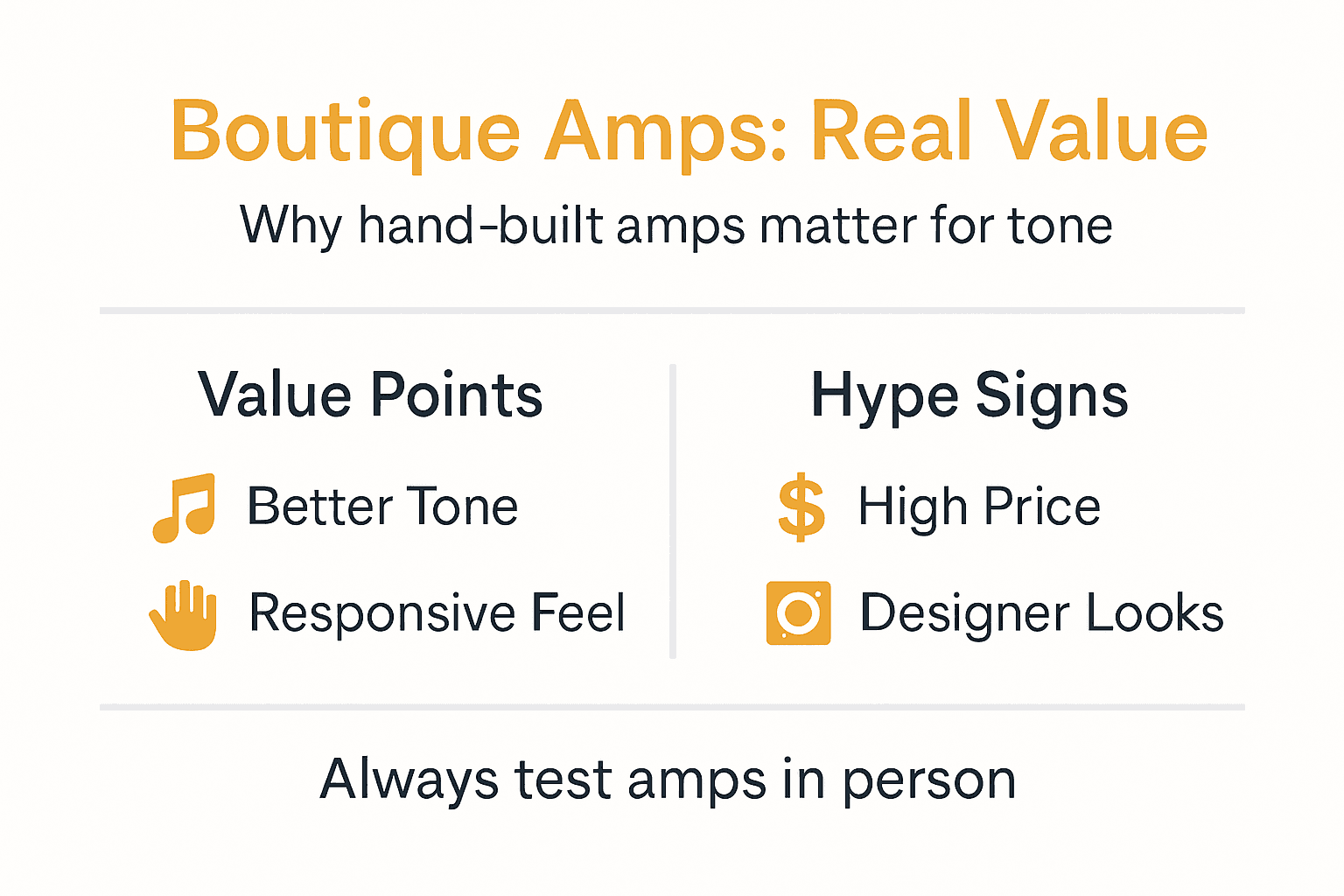
Understanding why boutique amps matter helps you recognise genuine value versus marketing hype. These amplifiers respond dynamically to playing touch, offering expressive control that connects you intimately with your tone.
Prerequisites: what you need before you start
Successful boutique amplifier shopping begins with thorough preparation before visiting any retailer. Setting a realistic UK budget helps focus your search effectively, with entry-level boutique amps generally ranging from £800 to £1500. Understanding your playing style and tonal preferences narrows options significantly, preventing wasted time and confusion.
Research reputable UK boutique amplifier brands and models beforehand to familiarise yourself with available options. Prepare your own guitar for testing sessions, as this enables accurate evaluation of tone compatibility and responsiveness. Compare features and designs of entry-level versus premium models to understand what additional investment delivers.
Essential preparation steps:
- Define your primary musical genres and required tonal characteristics
- List specific features needed such as wattage, channel options and effects loops
- Identify preferred amplifier configurations like combo versus head and cabinet
- Arrange transport for bringing your guitar to testing appointments
- Schedule visits during quieter store hours for focused evaluation time
Consult guitar shopping tips for UK musicians to refine your overall approach. Budget allocation should account for accessories like cables, covers and potential future servicing costs.
| Budget category | Price range (£) | Amplifier features |
|---|---|---|
| Entry-level boutique | 800-1500 | Hand-wired circuits, quality components, single or dual channels |
| Mid-range boutique | 1500-2500 | Premium transformers, custom voicing, versatile switching options |
| Premium boutique | 2500+ | Bespoke features, exotic wood cabinets, signature artist models |
Planning your budget helps avoid overspending whilst ensuring you can afford amplifiers meeting your genuine needs.
Testing and try-out strategies
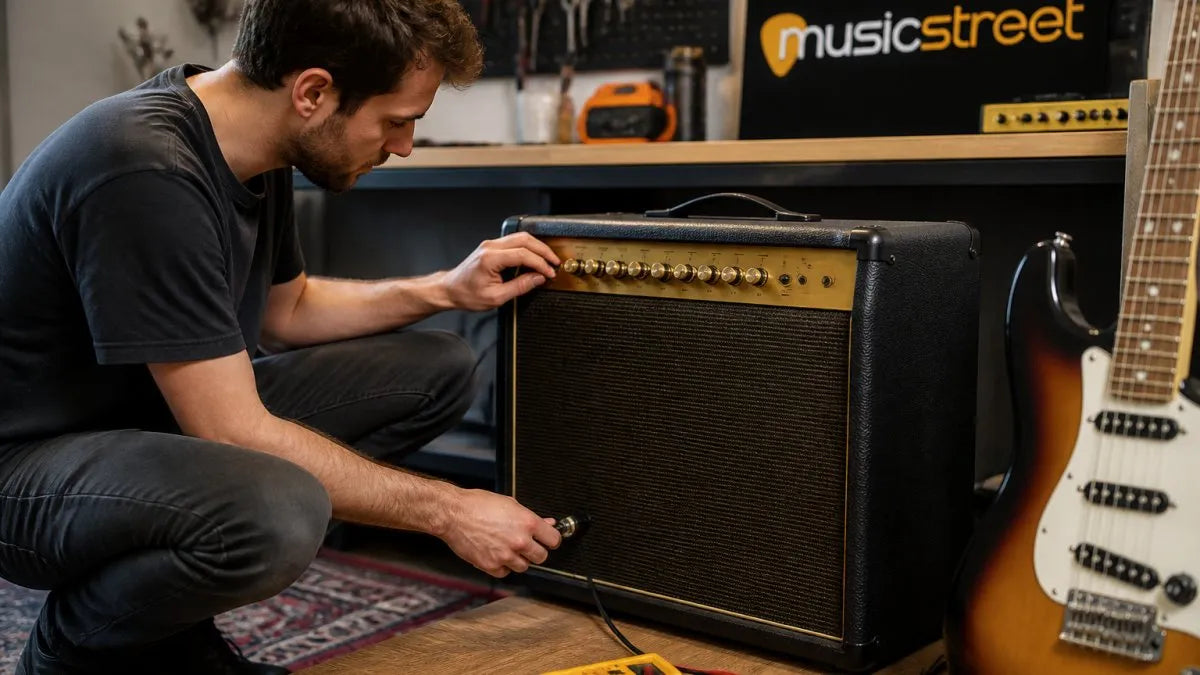
Physical testing with your own guitar remains absolutely essential for confident boutique amplifier purchasing. Testing amps with personal instruments leads to a 50% better assessment of suitable tone, ensuring compatibility with your specific guitar’s pickups and wood characteristics. Different volume and gain settings reveal how amplifiers respond across varying playing dynamics.

Evaluate amp response to your playing style and touch sensitivity, noticing how the amplifier reacts to picking attack and volume control adjustments. Try multiple amps to compare tonal nuances directly, making differences immediately apparent. Ask for expert help during try-outs to identify the best fit based on professional experience and technical knowledge.
Follow this systematic testing approach:
- Start with clean settings to evaluate fundamental amplifier voice and clarity
- Gradually increase gain to assess overdrive characteristics and harmonic content
- Test at performance volumes where amplifiers reveal their true character
- Play familiar passages and techniques showcasing your typical playing style
- Switch between neck and bridge pickups to evaluate amplifier response across tonal ranges
- Experiment with amplifier controls to understand available tonal shaping options
Pro Tip: Bring a tuner and set your guitar to concert pitch before testing, as accurate tuning ensures you hear the amplifier’s true tonal characteristics without pitch-related confusion affecting your judgement.
Thorough testing used guitars and amps applies equally to new equipment purchases. Document your impressions immediately after testing each amplifier, noting specific likes and dislikes whilst memories remain fresh.
Role of expert guidance and personalised service
Expert advice narrows down best amp choices matched precisely to your playing style and tonal requirements. Expert guidance improves the chance of choosing the right amplifier by 60%, dramatically reducing purchase regret and dissatisfaction. Personalised setup and calibration optimise tone immediately, ensuring you leave with equipment performing at its absolute best.
Retailer support for troubleshooting and repairs provides invaluable peace of mind throughout ownership. Building a relationship with knowledgeable staff creates ongoing resources for advice, modifications and maintenance guidance. Long-term advantages of professional maintenance and warranty support extend amplifier lifespan significantly whilst preserving resale value.
Key benefits of expert relationships:
- Objective recommendations based on genuine needs rather than price points
- Technical explanations helping you understand amplifier design and operation
- Setup adjustments including bias settings and speaker impedance matching
- Future modification suggestions as your requirements evolve
- Priority service and support when issues arise
Pro Tip: Establish rapport with staff by asking thoughtful questions about their personal experiences with different amplifier brands and models, as this often reveals insights not found in manufacturer specifications or online reviews.
Consult amplifier buying factors for comprehensive guidance. Expert retailers understand subtle tonal differences between seemingly similar amplifiers, steering you toward options perfectly suited to your musical context.
Budget planning and cost expectations
Entry-level boutique amps generally cost £800 to £1500 in the UK market, representing significant but worthwhile investment. Premium boutique amps exceed £1500 with bespoke features including custom voicing, exotic cabinet materials and signature artist specifications. Price reflects components used, custom options available and brand reputation accumulated over years of consistent quality.
Warranties and insurance offer security and added value, protecting your investment against manufacturing defects and accidental damage. Planning your budget helps avoid overspending and aligns expectations with available amplifier options. Consider total ownership costs including cables, covers, maintenance and potential future modifications when calculating affordability.
| Price factor | Impact on cost | Value consideration |
|---|---|---|
| Component quality | Premium transformers and capacitors add £300-500 | Improved tone and reliability justify cost |
| Custom options | Hand-wired layouts and bespoke voicing add £400-800 | Personalisation delivers unique sonic character |
| Brand reputation | Established makers command £200-600 premium | Proven quality and resale value offset higher price |
| Wattage and features | Higher power and switching options add £300-600 | Match features to actual performance needs |
Insurance-backed warranties typically cost 5-10% of amplifier price annually but provide comprehensive protection. Balance your budget between initial purchase and ongoing ownership expenses to maintain equipment properly without financial strain.
Common mistakes and troubleshooting
Never buy boutique amplifiers without physically testing with your own guitar, as online specifications cannot convey actual tonal compatibility. Relying solely on online reviews without expert input often leads to mismatched purchases and disappointment. Recognise mismatches between amp tone and your playing style early during testing to avoid costly mistakes.
Understand warranty terms thoroughly and how to address post-sale issues should they arise. Seek retailer support promptly for troubleshooting rather than attempting repairs yourself, preserving warranty coverage whilst ensuring proper fixes. Many buyers overlook the importance of proper maintenance schedules, leading to preventable performance degradation.
Critical mistakes to avoid:
- Purchasing based solely on brand reputation without personal testing
- Ignoring amplifier wattage relative to intended performance venues
- Failing to budget for essential accessories and ongoing maintenance
- Overlooking used or demonstration models offering excellent value
- Rushing decisions without comparing multiple amplifier options thoroughly
- Neglecting to verify return policies and exchange options before purchasing
Avoid amplifier buying mistakes by taking time to evaluate properly. When troubleshooting issues post-purchase, document symptoms clearly and contact your retailer immediately rather than seeking online DIY solutions that may void warranties.
Post-purchase support and maintenance
Insurance-backed warranty coverage protects your amplifier investment against manufacturing defects and component failures. Regular maintenance and professional setup advice increase durability substantially, preventing common issues before they develop. Keep communication channels open with your retailer for troubleshooting help whenever questions or concerns arise.
Proper care protocols avoid common amplifier issues including tube wear, component drift and cabinet damage. Scheduled servicing preserves sound quality over years, maintaining the tonal characteristics you originally purchased. Professional technicians identify potential problems early during routine maintenance, addressing them before they become expensive repairs.
Essential maintenance practices:
- Annual professional servicing including tube testing and bias adjustment
- Regular cleaning of controls and input jacks preventing crackling and dropouts
- Proper storage away from extreme temperatures and humidity fluctuations
- Using appropriate covers during transport protecting against physical damage
- Documenting any modifications or repairs maintaining complete service history
Retailers offering ongoing support demonstrate commitment to long-term customer relationships beyond initial sales. Establish maintenance schedules based on usage intensity, with professional players requiring more frequent servicing than bedroom practitioners.
Expected results and outcomes
Following this guide enables clear identification of amplifier tones complementing your guitar and playing style perfectly. Research shows 45% higher satisfaction rates when amplifiers are physically tried out before purchase compared to blind online buying. Expert setup and care extend amplifier lifespan by 25% or more through proper maintenance and professional adjustments.
Enjoy tailored sound and reliable equipment for years without the frustration of tonal mismatch or premature failures. Confidence in your purchase reduces returns and regret, allowing you to focus on musical development rather than equipment concerns. Investment in quality boutique amplifiers appreciates through enhanced playing enjoyment and improved performance outcomes.
Realistic outcome expectations:
- Immediate tonal satisfaction matching your musical vision and requirements
- Long-term reliability through quality construction and proper maintenance
- Enhanced playing inspiration from responsive, dynamic amplifier performance
- Retained resale value should your needs change over time
- Ongoing support relationship with knowledgeable retailer staff
Proper amplifier selection transforms your playing experience fundamentally, providing the tonal foundation supporting your musical expression. Your boutique amplifier becomes a trusted partner in your musical journey rather than merely another piece of equipment.
Shop boutique amplifiers with expert guidance at MusicStreet
Ready to find your perfect boutique amplifier with confidence? Discover a curated range of boutique amps at MusicStreet selected specifically for UK guitarists seeking exceptional tone and build quality. Benefit from expert advice and personalised amp setup ensuring your new equipment performs optimally from day one.

Shop confidently with UK-focused support and warranty options protecting your investment comprehensively. Explore our online resources covering amplifier selection, maintenance and troubleshooting, then visit our Huntingdon store for hands-on testing with your own guitar. Our experienced team understands the nuances of boutique amplification and matches equipment to your unique requirements. Visit MusicStreet today to begin your journey toward tonal perfection with professional guidance every step of the way.
Frequently asked questions
What should I bring when testing boutique amplifiers?
Bring your own guitar to accurately assess tone and amp compatibility with your specific instrument. Prepare cables and accessories to facilitate testing sessions, ensuring you can evaluate amplifiers properly without relying on unfamiliar equipment. Consult testing amps effectively for detailed preparation guidance.
How much should I budget for an entry-level boutique amplifier?
Entry-level boutique amps typically range from £800 to £1500 in the UK market, representing excellent value for hand-crafted quality. Consider warranty and insurance costs when budgeting, adding approximately 5-10% annually for comprehensive protection. Allocate additional funds for essential accessories including quality cables and protective covers.
Why is expert advice important when buying a boutique amp?
Experts understand tonal nuances and match amps to your playing style with precision impossible through online research alone. Expert guidance improves the chance of choosing the right amplifier by 60%, dramatically reducing purchase regret. They help with setup and recommend suitable models based on genuine needs rather than marketing claims.
What common mistakes should I avoid when buying a boutique amp?
Avoid buying without testing with your own guitar, as this prevents accurate tonal compatibility assessment. Never rely only on online reviews without seeking expert opinions from experienced professionals. Check warranty details carefully for post-sale support provisions, ensuring comprehensive coverage against potential issues. Review common amplifier mistakes for additional guidance.




Share:
Best Professional Guitars 2026: ESP E-II Leads at 78.5
Best Guitars Under £1000 UK (2026): Expert Picks from MusicStreet