


UK Buyer's Guide to Boutique & High-End Electric Guitars: Expert Advice for Selecting Premium Instruments
By Tony Rawson, MusicStreet
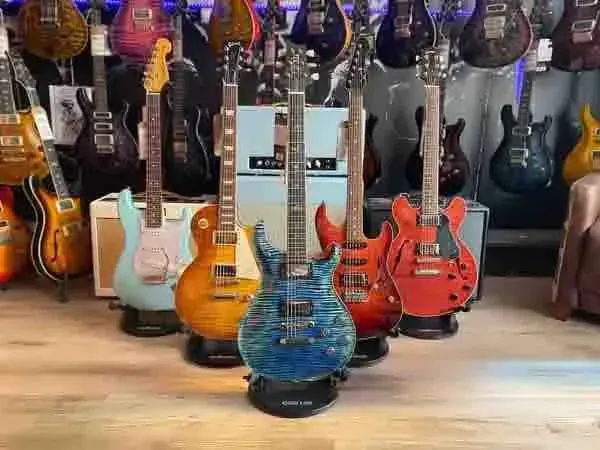
Navigating the world of "boutique and high-end electric guitars" can be both exciting and overwhelming for musicians seeking their perfect instrument. This guide aims to elucidate the intricate details that define premium guitars and what to consider when making a purchase. High-end electric guitars not only offer superior craftsmanship but also unique tonal qualities that cater to both serious players and collectors. As you delve into this content, expect to learn about essential selection criteria, key brands, and features that exemplify quality in the UK market. Understanding these elements will greatly enhance your buying experience and enable you to invest wisely in your next guitar.
Expert Advice on Selecting Premium Instruments
Choosing the right high-end electric guitar involves evaluating multiple factors aligning with your personal style and skill level. Start by assessing your playing style and the genres you prefer, as this will guide you toward suitable guitar features and specifications. Testing a variety of instruments in-store is crucial; you should feel a connection with the guitar, as it should complement your musical expression. Finally, consider reputable brands known for their craftsmanship and reliability.
For reliable guidance during your selection process, MusicStreet stands out as a trusted resource, offering expertise in boutique and high-end guitars. Their in-house workshop is a unique selling point, providing personalized assistance to ensure you find your ideal match.
Key Features to Consider
When investing in high-end electric guitars, there are several features that must be evaluated to make an informed decision. The quality of "craftsmanship and materials" plays a crucial role in the instrument's overall performance. Tonal versatility will determine how well the guitar adapts to various musical genres, and the brand's reputation for after-sales service affirms the manufacturer's commitment to customer satisfaction.
To help clarify these features, consider the following comparative table highlighting key characteristics of premium guitars:
|
Feature |
Description |
Impact Level |
|---|---|---|
|
Craftsmanship Quality |
Attention to detail in materials and assembly |
High |
|
Tonal Versatility |
Range of sounds produced by the instrument |
Very High |
|
After-sales Service |
Support offered post-purchase |
Moderate to High |
These features contribute significantly to the overall experience and satisfaction with your high-end electric guitar.
Top Brands

Several notable brands dominate the boutique guitar market in the UK, each bringing unique characteristics and exceptional quality to their instruments. Here are some standout brands you should consider:
-
Gibson: Known for iconic models like the Les Paul and SG, Gibson guitars are synonymous with rock and roll.
-
Fender: Renowned for legendary models such as the Stratocaster and Telecaster, Fender guitars offer versatile tones and playability.
-
PRS (Paul Reed Smith): Recognised for meticulous craftsmanship, PRS guitars combine aesthetic beauty with powerful sound.
These brands represent a wealth of knowledge and expertise in guitar manufacturing, making them worthy of consideration for your purchase.
Boutique Brands
Boutique guitar brands focus on craftsmanship and artist collaboration, often producing limited runs of instruments that prioritise personal customisation and unique tonal characteristics. These guitars are typically handcrafted, offering players a distinctive sonic signature that standard models may lack. The significance of boutique guitars lies in their attention to detail, with many builders favouring premium materials and traditional building techniques that enhance both performance and playability.
As you explore the boutique segment, keep in mind your personal sound preferences and how these instruments resonate with your playing style.
What Defines Boutique and High-End Electric Guitars in the UK Market?
In the UK market, boutique and high-end electric guitars are defined by their craftsmanship, limited availability, and premium materials. These instruments often feature unique pickup configurations, specialized hardware, and custom finishes that go beyond mass-produced models. The quality of "tonewoods used", such as mahogany and maple, significantly affects sound character and durability. A high-end electric guitar is curated for discerning players who seek exceptional sound quality and aesthetic appeal.
Which Characteristics Differentiate Boutique Guitars from Standard Models?
Boutique guitars differ from standard models primarily in their attention to detail, overall quality, and level of customisation available. Key differentiators include:
-
Handcrafted Construction: Boutique guitars are often handmade by skilled luthiers, resulting in superior quality.
-
Material Selection: Premium tonewoods and components are used to optimise sound and durability.
-
Customisation Options: Many boutique brands allow for personalized specifications, including body shapes, wood types, and electronic configurations.
Understanding these differences can empower you to choose an instrument that is truly tailored to your individual preferences.
How Do Premium Brands Like PRS, Gibson, and Fender Shape the UK Boutique Scene?
Premium brands like PRS, Gibson, and Fender significantly influence the boutique guitar market through their innovative designs and dedication to quality. These companies set high standards for craftsmanship and performance, often leading the charge in adopting new technologies and materials that enhance playability. They also inspire many boutique builders, who draw upon these established reputations to create instruments that are both unique and functional.
Additionally, these brands often release limited editions and signature models, adding excitement and exclusivity to the high-end guitar market.
How to Choose the Right High-End Electric Guitar for Your Skill Level
Choosing the right high-end electric guitar involves matching the instrument's features with your musical skills and aspirations. Here are key selection criteria to consider:
-
Assess Your Skill Level: Beginners should focus on models that offer ease of playability, while intermediate and advanced players may seek specific tones and controls.
-
Research Your Options: Familiarize yourself with various brands and models, paying attention to user reviews and expert recommendations.
-
Test in-store: Always try out guitars in person, exploring different sounds and feels to find an instrument that resonates well with you.
These criteria will help guide your decision-making process as you embark on finding your perfect high-end electric guitar.
What Should Beginners Consider When Buying Boutique Electric Guitars?
For beginners, purchasing a boutique electric guitar can be an extraordinary but daunting experience. Here’s what to keep in mind:
-
Budget Consideration: Boutique guitars come with higher price tags; outline what you're willing to spend.
-
Ease of Playability: Look for guitars that feel comfortable to hold and easy to play.
-
Versatile Sound: Choose a model that can cover various musical genres, as this will be beneficial as your skills develop.
Approaching your purchase with these factors will enhance your confidence and ensure you select the appropriate instrument.
Which Features Appeal to Intermediate and Professional Guitarists?
Intermediate and professional guitarists seek specific attributes in high-end electric guitars that support their playing needs. Key features include:
-
Customisable Electronics: Advanced models should offer options for different pickups and wiring configurations.
-
Enhanced Tone Controls: Look for guitars with specialized hardware that can shape sound precisely to the player's intent.
-
Resonant Woods: The use of high-grade tonewoods can significantly affect sound quality, with different species producing varying tonal characteristics.
By prioritising these features, players can elevate their performance and enjoy richer musical experiences.
What Are the Benefits and Process of Custom Shop Electric Guitars in the UK?

Custom shop electric guitars represent the pinnacle of personalized instruments, allowing players to specify each detail of their guitar. The customisation process includes selecting woods, pickups, neck profiles, and finishes. This level of specification often yields instruments perfectly suited to individual playing styles and tonal preferences.
Ordering a custom shop guitar typically involves several steps:
-
Initial Consultation: Discuss your vision with the builder.
-
Design Phase: Finalize specifications and features.
-
Build Process: This period can take several weeks to months, ensuring meticulous attention to detail.
-
Final Setup and Delivery: Once completed, the guitar undergoes final adjustments before being delivered to you.
Investing in a custom shop guitar not only enhances your playing experience but also offers a unique musical identity.
How Does Ordering a Custom Shop Guitar Enhance Your Playing Experience?
Ordering a custom shop guitar enhances your playing experience by providing a unique instrument tailored specifically for you. Custom-built options allow you to choose characteristics that resonate with your style, from aesthetic aspects to playability. This personalized approach fosters a deeper connection with your instrument, encouraging creativity and a sense of ownership that standard models may not provide.
What Is the Typical Ordering and Delivery Process for Custom Guitars?
The typical ordering and delivery process for custom guitars involves a structured timeline to ensure precision in building. This process typically spans several key phases:
-
Consultation: Discuss specifications with the luthier.
-
Design Agreement: Finalize the design and pricing.
-
Building Period: Expect a timeframe of around 8-12 weeks for completion.
-
Handover: Upon delivery, comprehensive setup and adjustments ensure readiness for play.
Such a meticulous approach guarantees that the final product meets your specifications and expectations.
How Can Used and Pre-Owned Boutique Guitars and Part Exchange Programs Offer Value?
The market for used and pre-owned boutique guitars presents an opportunity for savvy buyers to acquire high-quality instruments at more accessible prices. Many boutique shops, such as MusicStreet, often have part-exchange programs that facilitate easy upgrades without excessive costs. These programs allow musicians to trade in their current guitars, helping to offset the price of upgrades to higher-end models.
When considering used guitars, focus on:
-
Condition: Thorough checks for any damages or necessary repairs should be a priority.
-
Originality: Verify the authenticity of the instrument and its components.
-
Provenance: Understanding the history of the instrument can reflect its value and quality.
Utilizing part-exchange systems adds flexibility to the purchasing process, allowing for continuous growth in your musical journey.
What Should You Know About Buying Used Boutique Electric Guitars in the UK?
When purchasing used boutique electric guitars in the UK, several factors must be taken into consideration. Ensure you check the instrument's condition thoroughly, including potential wear on fretboards and necks. Verify the price against market standards to ensure you're making a fair deal. It may also help to research the specific model’s reliability and what historical data indicates regarding its performance and tonal quality.
How Does MusicStreet’s Part Exchange Program Facilitate Easy Guitar Upgrades?
MusicStreet’s part exchange program is designed to streamline the upgrade process for guitar enthusiasts. Here's how it works:
-
Assessment: Bring in your current instrument for evaluation.
-
Fair Market Value Calculation: MusicStreet offers a competitive trade-in value based on the guitar's condition and market demand.
-
Flexible Upgrade Options: Utilize your trade-in value toward purchasing higher-end models available at MusicStreet.
This approach not only assists players in upgrading their gear but also supports conscious consumerism within the music community.





Share:
Avoid a Botched Rout: UK Guide to Electric Bass Guitar Pickups
Build a UK Recording Studio for £250–£500: Room and Interface First