

Table of Contents
- What Is an Aria Pro II Bass?
- Aria Pro II Bass for Beginners: Is It the Right Choice?
- Understanding the Aria Pro II SB-1000
- Buying a Used Aria Pro II Bass: What to Check
- Tone, Build Quality, and Playability
- How Aria Pro II Compares to Other Options
- Frequently Asked Questions
Last Updated: 11 October 2026
What Is an Aria Pro II Bass?
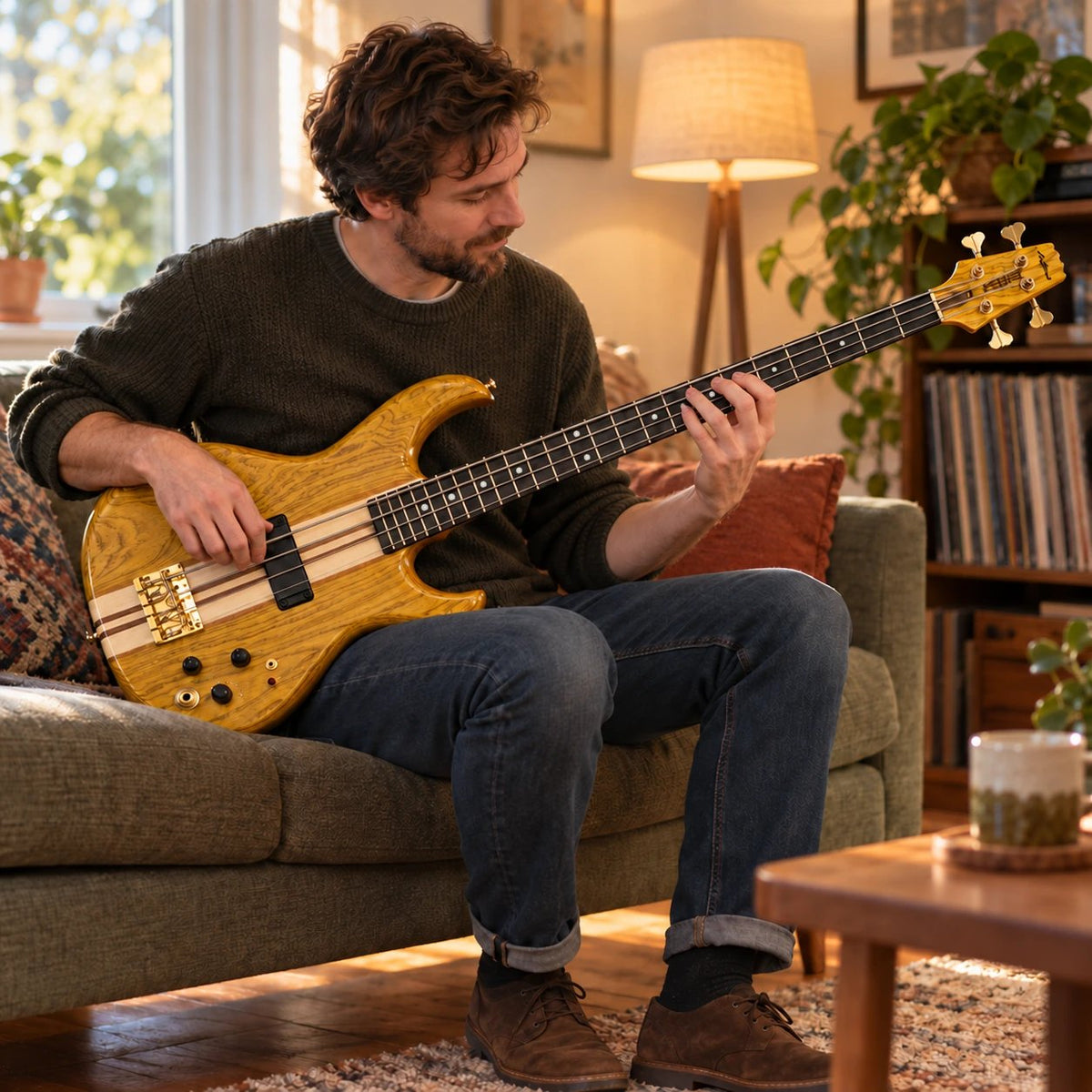
An Aria Pro II bass is a solid-body electric bass guitar manufactured by Aria, a Japanese company known for building reliable instruments across multiple price points. The Aria Pro II line sits in the mid-range segment, offering professional-grade construction and tone without the premium price tag of boutique brands.

Aria has been crafting basses since the 1970s, and the Pro II series represents their commitment to delivering playable instruments for working musicians. These basses typically feature solid body construction, quality pickups, and hardware designed to handle both studio recording and live performance. The brand appeals to musicians who want dependable tone and build quality without overspending.
What makes the Aria Pro II bass relevant today is the growing demand for alternatives to mass-market options. Many musicians find themselves caught between budget beginner models and expensive boutique instruments. The Aria Pro II fills that gap; it's serious enough for professional use but accessible enough for intermediate players looking to upgrade from entry-level gear.
Aria Pro II Bass for Beginners: Is It the Right Choice?
Starting bass guitar requires finding an instrument that won't frustrate you during those early months of learning. A bass that's difficult to play or sounds thin will make practice feel like a chore rather than something enjoyable. The Aria Pro II bass can work for beginners, but with important caveats.

The strength of an Aria Pro II for beginners lies in its build quality. The neck is typically well-finished and comfortable to grip, which matters when you're developing hand strength and finger positioning. The action (string height) on these basses is generally reasonable out of the box, though every instrument benefits from professional setup.
Where beginners sometimes struggle with the Aria Pro II is the price. At around £999 for the SB-700 model, it's significantly more than entry-level basses like the Yamaha TRBX174 at £229. For someone completely new to bass and unsure whether they'll stick with it, that's a substantial outlay. If you're confident about your commitment to learning bass and want an instrument you won't outgrow quickly, the Aria Pro II makes sense. If you're testing the waters, starting with something more affordable and upgrading later is a sensible approach.
The Aria Pro II also demands more from you as a player. These basses respond to technique. A sloppy touch will sound sloppy through an Aria Pro II, whereas a cheaper bass might mask poor technique with its own limitations. That's actually a feature, not a bug; it pushes you to develop better habits earlier.
Understanding the Aria Pro II SB-1000
The Aria Pro II SB-1000 is the flagship model in the current Aria Pro II range, and it represents what the brand can achieve when building without significant budget constraints. This is the bass that serious players reach for when they want the full Aria Pro II experience.
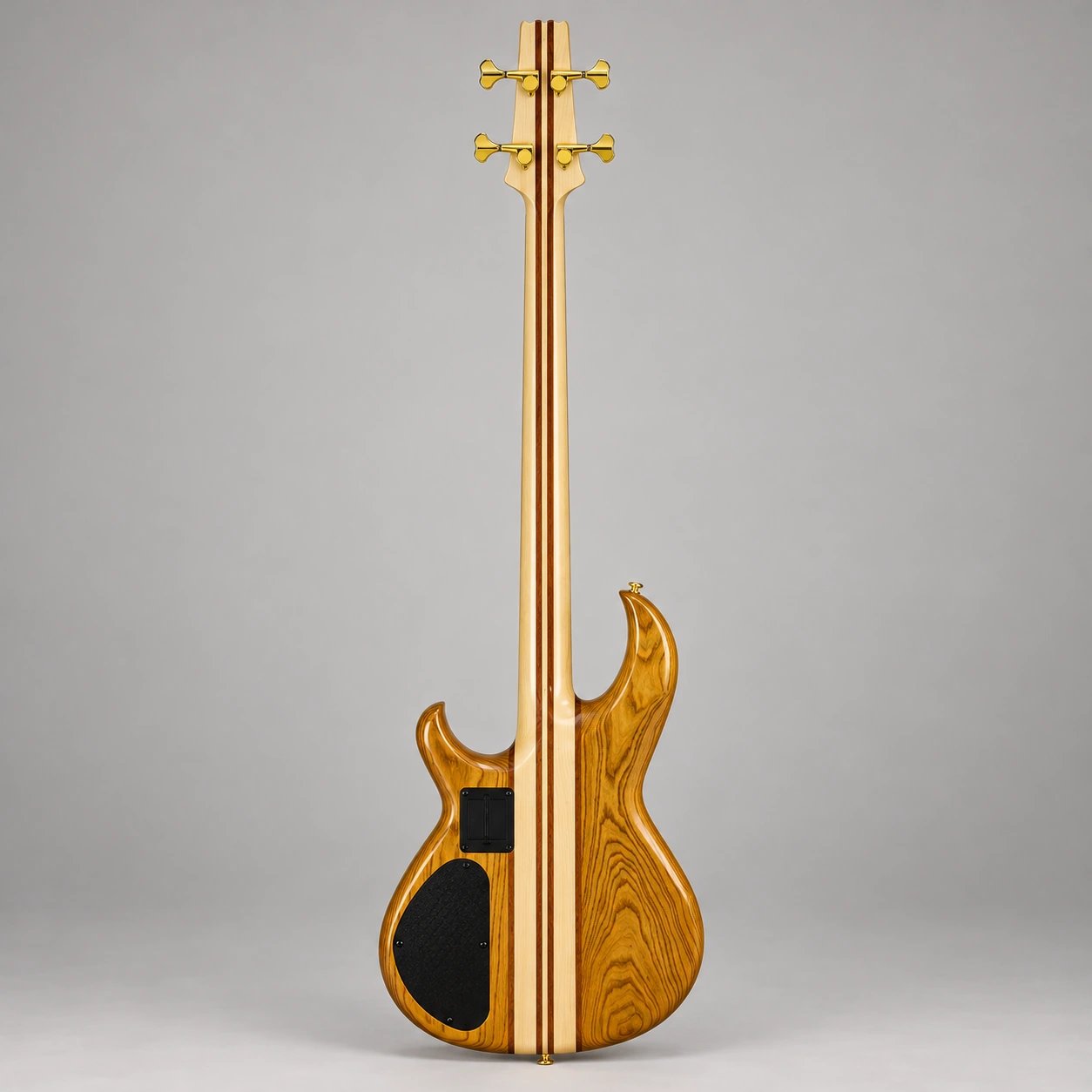
The SB-1000 features a neck-through construction, which means the neck wood extends through the entire body. This design choice increases sustain and resonance compared to bolt-on neck designs. The walnut neck is a deliberate aesthetic and functional choice; walnut is stable, visually striking, and contributes to the bass's tonal character. With a 864mm scale length, it's a standard full-size bass that works for players with average to large hands.
The electronics on the SB-1000 are straightforward and effective. You get quality pickups paired with basic controls, volume and tone; nothing overly complicated. This simplicity is intentional. The bass doesn't try to do everything; it does what it does very well. For studio work and live performance, that directness is valuable.
The build quality of the SB-1000 reflects Aria's experience. The hardware feels solid, the fretwork is clean, and the finish is durable. This isn't a bass that will fall apart after a year of regular use. It's built to last through years of gigging and studio sessions.
Aria SB-700 Bass Guitar - Paduak Red →
Buying a Used Aria Pro II Bass: What to Check
The second-hand market for Aria Pro II basses offers genuine value, especially if you find an older model that's been well maintained. Used basses often cost 30-40% less than new equivalents, which makes upgrading to a better instrument more realistic.
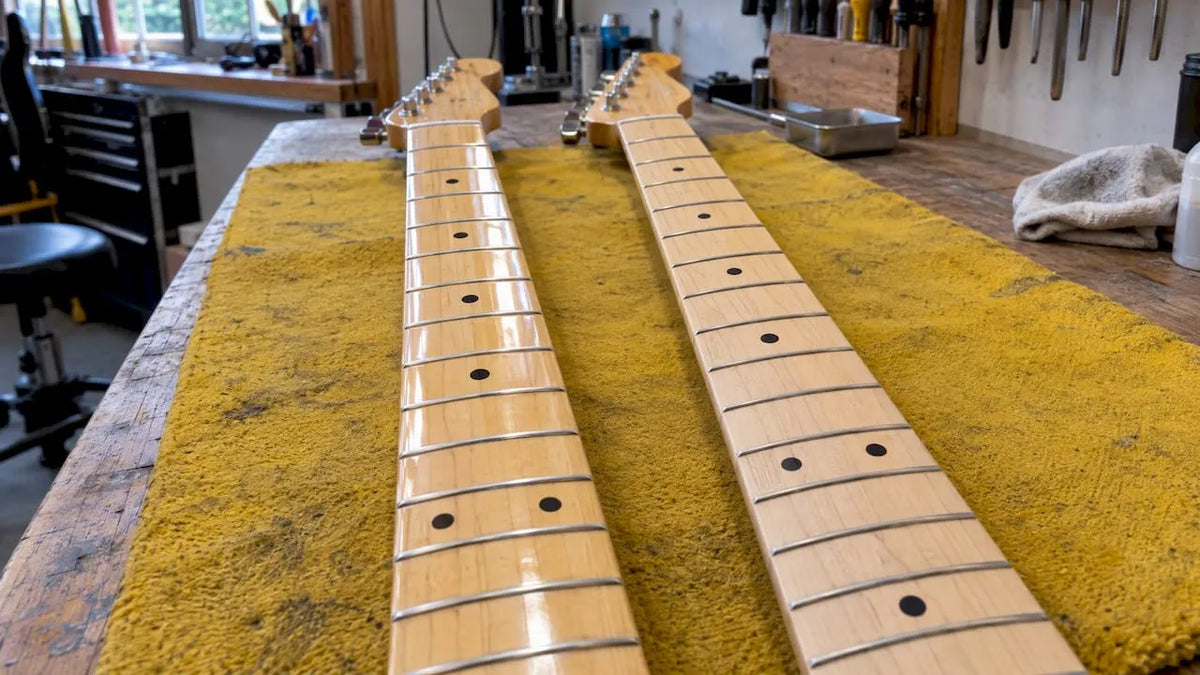
When shopping for a used Aria Pro II bass, start with the neck. Look down the length of the fretboard from the headstock toward the body. You're checking for any obvious twist or bow. A neck with significant problems will feel uncomfortable to play and may require expensive repair work. Minor wear is normal; major damage is a reason to pass.
Inspect the frets themselves. Run your finger along them to feel for uneven spots or flat areas. Frets do wear over time, and fret dressing (levelling and polishing) is a professional repair that costs money. If the frets are visibly pitted or severely worn, factor in the cost of restoration.
Check the hardware. Tuning machines should turn smoothly without grinding or resistance. The bridge should be secure and not loose or rattling. Look for corrosion on metal parts, particularly around the bridge and tuning machines. Surface corrosion is cosmetic; deep corrosion can affect function.
Listen for electrical problems. Plug the bass into an amplifier and play each string. You should hear a clean, consistent signal. If the sound cuts out, crackles, or hums loudly, there's likely an issue with the pickups, wiring, or electronics. These repairs add cost.
Ask about setup history. Has the bass been professionally set up recently? If not, budget for a professional setup after purchase. A good setup can transform how a bass plays and feels, and it's worth the investment on any used instrument.
Tone, Build Quality, and Playability
The Aria Pro II bass is known for delivering warm, punchy tones across its range. The warmth comes from the body wood and construction; the punch comes from quality pickups and hardware that transmit string vibration clearly to the amplifier. This combination makes the Aria Pro II versatile; it works equally well in rock, funk, jazz, and pop contexts.
Build quality on Aria Pro II models is consistently solid. The company has decades of experience manufacturing basses, and that shows in the details. Fretwork is clean and even, finishes are durable, and hardware is reliable. You're not buying a bass that will develop problems after a few months of regular use. These instruments are designed for longevity.
Playability depends partly on setup. Out of the box, an Aria Pro II bass is generally comfortable to play, but every player has different preferences for action height and string spacing. Professional setup allows you to dial in the instrument to your exact specifications. The neck profile on Aria Pro II basses tends to be comfortable for most hand sizes, not too thick, not too thin.
One thing to understand about the Aria Pro II is that it's responsive to your technique. If you play with a heavy touch, you'll get a heavier tone. If you play lightly, the tone will be more delicate. This responsiveness is a strength; it means the bass rewards developing good technique and won't mask sloppy playing.
How Aria Pro II Compares to Other Options
When comparing bass guitars in the mid-range segment, the Aria Pro II sits alongside instruments from brands like Ibanez, Yamaha, and others. Each brings different strengths to the table.
Aria SB-700 Bass Guitar - Paduak Red →
Bass Model |
Price |
Body Style |
Best For |
Standout Feature |
|---|---|---|---|---|
Aria SB-700 |
£999 |
Solid body |
Professional players |
Resonant tone, warm character |
Aria STB PB/B White |
£199 |
Solid body |
Intermediate players |
Budget-friendly, reliable |
£229 |
Solid body |
Beginners, budget-conscious |
Excellent value, stable tuning |
|
Ibanez SR300EB-CA |
£349 |
Solid body |
Modern players |
Versatile electronics, fast neck |
The Yamaha TRBX174 at £229 is an excellent starter option. It's built well, sounds good, and won't break the bank if you decide bass isn't for you. The trade-off is that it doesn't have the tonal character or build refinement of the Aria Pro II. It's functional; the Aria Pro II is inspiring.

The Ibanez SR300EB-CA at £349 offers something different, a more modern aesthetic and versatile electronics. The 3-way power tap system gives you tonal flexibility that the Aria Pro II doesn't have. If you want to experiment with different sounds, the Ibanez edges ahead. If you want straightforward, reliable tone, the Aria Pro II is the better choice.
What separates the Aria Pro II from these alternatives is consistency. You know what you're getting with an Aria Pro II. The build quality is reliable, the tone is warm and punchy, and the playability is comfortable. It's not flashy or feature-packed, but it delivers on the fundamentals.
At MusicStreet, we've worked with all these instruments, and we see different players gravitate toward different options based on their priorities. Budget-conscious beginners choose the Yamaha. Modern players wanting versatile electronics choose the Ibanez. Serious intermediate and advanced players who want a bass that will last and inspire them choose the Aria Pro II.
Is an Aria Pro II bass the right choice for you? That depends on where you are in your musical journey and what matters most to you. If you're serious about bass, want an instrument that will grow with you, and can invest in quality, the Aria Pro II delivers real value. If you're just starting out or testing whether bass is for you, begin with something more affordable and upgrade later.
At MusicStreet, we stock quality options. Every instrument we sell is professionally set up in our workshop before it leaves; we believe you deserve a bass that plays beautifully from day one. Whether you choose an Aria Pro II or another model, we're here to help you find the right instrument and keep it playing perfectly. Explore our bass guitar selection and discover which bass speaks to you.
Frequently Asked Questions
Are Aria Pro II basses any good?
Yes, Aria Pro II basses are respected for their solid construction, warm tones, and reliability. They offer genuine playability and durability at fair prices, making them a sensible choice for intermediate and advanced players. Many models feature professional-grade hardware and thoughtful design that reflects decades of craftsmanship. Whether you're recording, rehearsing, or performing live, an Aria Pro II bass delivers consistent performance without unnecessary expense.
Is an Aria Pro II bass suitable for beginners?
Aria Pro II basses work well for beginners who are serious about learning, though entry-level models from other brands may feel more accessible in terms of price. If you're starting out and want an instrument that won't hold you back as you improve, an Aria Pro II offers good value. The key is choosing the right model for your budget and ensuring it's professionally set up before you start playing. Many beginners find the comfort and tone justify the investment.
What should I check when buying a used Aria Pro II bass?
Inspect the neck for straightness and any visible damage to the wood. Check that all frets are level and that the truss rod works smoothly. Test every string for buzzing and intonation accuracy across the fretboard. Look at the pickups and electronics to confirm they function properly. Examine the body for cracks, deep scratches, or signs of water damage. If possible, have a qualified technician assess it before purchase. Ask the seller for maintenance history and any repairs that have been done.
What makes the Aria Pro II SB-1000 special?
The SB-1000 is a neck-through design with a 7-ply walnut neck and 864 mm scale length, offering superior sustain and tonal clarity. The through-body construction allows vibrations to travel through the entire instrument, producing a more resonant sound with extended note decay. This design appeals to players who want professional-grade tone and stability. It's a serious instrument for musicians who've outgrown beginner gear and want a bass that responds to their playing technique.




Share:
£1,440–£8,409 to Build a UK Home Studio: Treat the Room First