


Best Acoustic Guitars Under £500: Expert Guide to Value and Tone for UK Musicians

Choosing the best acoustic guitar under 500 can feel overwhelming. This guide offers practical advice on brands, key features and how tonewoods affect sound, so beginners and intermediate players can find instruments that improve their playing. We cover starter-friendly features, the benefits of buying used instruments and how professional setup and maintenance boost performance.
Which Affordable Acoustic Guitar Brands Offer the Best Acoustic Guitar Under 500 Value?

Several manufacturers consistently deliver strong value in the sub-£500 range. Martin, Taylor, PRS and Fender offer models that suit different styles and preferences. Gibson typically sits above this price point, with most entry-level models priced higher than £500.
How Do Martin, Taylor, PRS, Gibson, and Fender Compare in Budget Models?
Each brand brings distinct strengths. Martin is prized for rich tone and traditional craftsmanship. Taylor emphasises bright tone and playability, which helps new players. PRS blends innovative design with versatile sound. Fender’s broad lineup includes affordable options that maintain solid quality. Understanding these differences helps you choose a guitar that matches your style and budget.
What Features Should Beginners Look for in Value Acoustic Guitars When Searching for the Best Acoustic Guitar Under 500?
Beginners should focus on a few key features that make learning easier and more enjoyable.
- Sound Quality: Look for guitars that produce a clear and balanced tone, which is crucial for developing your ear.
- Build Quality: A well-constructed guitar will not only sound better but also last longer, making it a worthwhile investment.
- Playability: Ensure the guitar has a comfortable neck and action that suits your playing style, as this will encourage practice and improvement.
Prioritising these features will help you enjoy practice and progress more quickly.
How Do Tonewoods Affect the Sound Quality of Budget Acoustic Guitars?
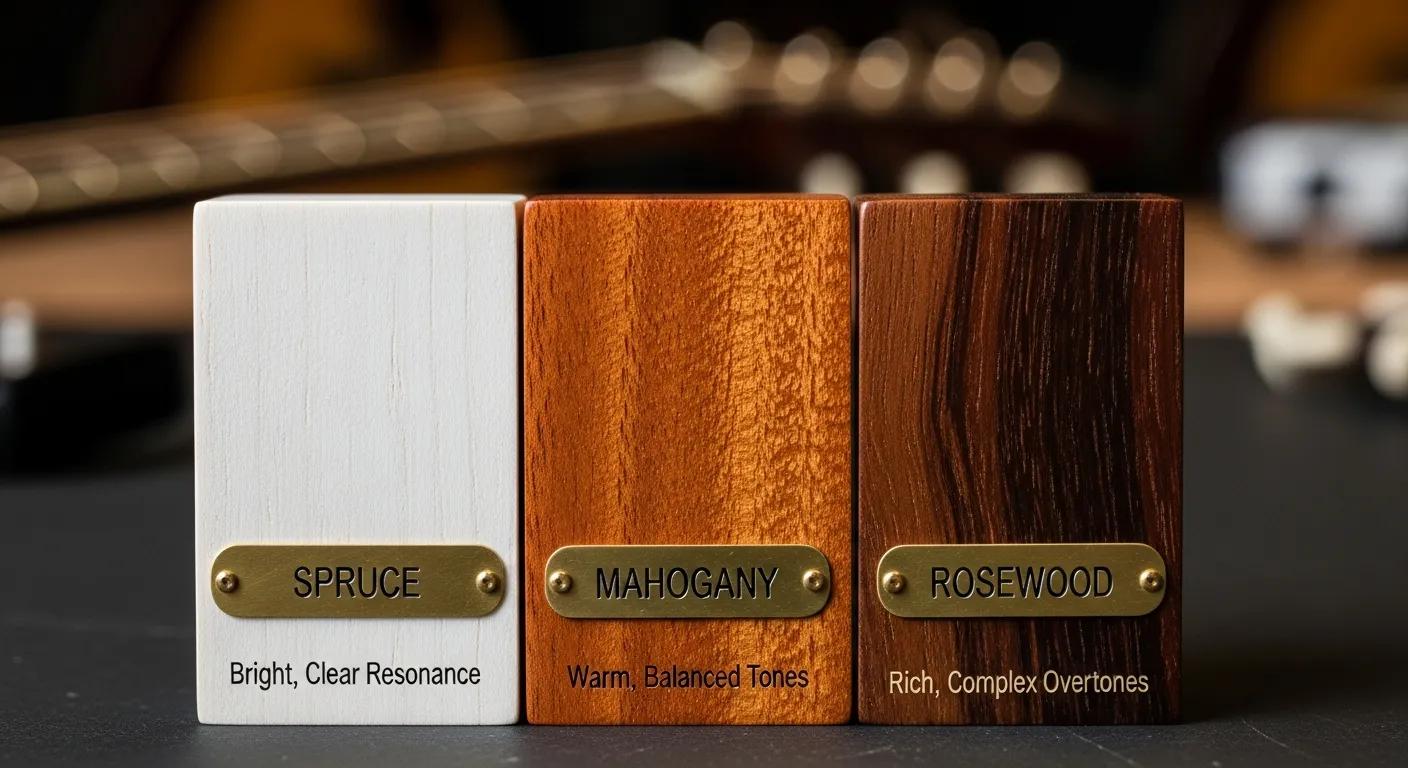
Tonewoods have a major influence on an acoustic guitar’s voice. Different woods alter resonance, sustain and overall tonal character.
What Are the Common Tonewoods Used in Affordable Acoustic Guitars?
Common tonewoods include:
- Spruce: Known for its bright, clear sound, spruce is often used for the tops of acoustic guitars.
- Mahogany: This wood provides a warm, mellow tone and is frequently used for the back and sides.
- Rosewood: Renowned for its rich overtones, rosewood is often used for the fretboard and bridges.
These woods shape both the sound and the look of the instrument.
Further research examines the classification and acoustic properties that make these woods suitable for instrument making.
Understanding Tonewoods: Acoustic Properties & Guitar Sound Quality
This chapter examines identification and classification of tonewoods, emphasising their acoustic properties, anatomical traits and historical role in instrument making. Tonewood choice is central to sound quality and performance; species such as spruce, maple and mahogany are commonly used for their favourable mechanical and acoustic characteristics. The discussion details physical properties — density, stiffness and damping capacity — and how these influence a wood's suitability for specific instrument components.
Tonewood: Acoustic Identification, M Roohnia, 2025
How Does Tonewood Choice Influence Guitar Tone and Playability?
Tonewood selection affects tone and playability. A spruce top typically delivers a bright, responsive voice suited to strumming and fingerstyle. Mahogany tends to produce a warmer tone, often preferred for solo playing. Knowing these traits helps you choose a guitar that complements your technique.
Beyond the inherent properties of tonewoods, the process of wood treatment and tuning also plays a crucial role in optimising an acoustic guitar's sound.
Tonewood Treatment: Optimizing Acoustic Guitar Sound
This chapter highlights the role of wood treatment and tuning in instrument making and argues for a scientific approach to tonewood selection. It notes that acoustic properties vary within a species, so species name alone is not a reliable quality marker. Treatment allows luthiers to modify and optimise a wood’s fundamental acoustic properties to achieve targeted tonal goals.
Tonewood: Treatment and Tuning, M Roohnia, 2025
What Are the Benefits of Buying Used or Part Exchange Acoustic Guitars Under £500?
Buying used instruments is a practical option for budget-conscious musicians. You can often find higher-quality models for less, including discontinued or upgraded instruments.
How Does MusicStreet’s Part Exchange Programme Support Upgrading?
MusicStreet runs a part exchange programme that lets you trade in an old guitar for credit towards a new purchase. This makes upgrading more affordable and expands the range of instruments you can consider. The assessment process is straightforward, and trading in can help you access a better-suited instrument.
What Should Buyers Know About Quality and Warranty for Used Guitars?
When buying used, inspect for cracks, warping or issues with the neck and frets. Check the instrument’s condition and any service history. Also review warranty options; many reputable shops, including MusicStreet, offer warranties on used instruments to provide added protection.
Why Is Professional Setup and Maintenance Important for Budget Acoustic Guitars?
Professional setup and regular maintenance ensure your guitar performs at its best. A correct setup improves playability and tone, making it easier to develop your skills.
How Can MusicStreet’s Workshop Services Enhance Guitar Performance?
MusicStreet's workshop offers expert setup, repairs and maintenance. These services optimise your guitar's performance and reduce the risk of problems from wear, helping the instrument remain reliable for years.
What Basic Maintenance Tips Help Preserve Tone and Playability?
Keep your guitar in good condition by following these basic maintenance steps:
- Regular Cleaning: Wipe down the strings and body after each use to remove oils and dirt.
- Humidity Control: Store your guitar in a controlled environment to prevent wood from drying out or warping.
- Routine Inspections: Regularly check for any signs of damage or wear, addressing issues promptly to maintain sound quality.
Following these steps helps keep your guitar reliable and sounding its best.
Frequently Asked Questions
What is the best way to choose an acoustic guitar for a beginner?
For beginners, focus on size, playability and tone. A smaller body may suit younger players or those with smaller hands. Look for lower action to make fretting easier. Try several models to find one that feels comfortable. Brands such as Yamaha and Fender offer solid beginner options that balance quality and price.
Are there specific acoustic guitar accessories that beginners should invest in?
Beginners should invest in a few essentials: a reliable tuner, a comfortable strap, a capo for quick key changes, a set of picks and a protective case or gig bag for transport. These accessories improve practice and protect the instrument.
How can I tell if a used acoustic guitar is a good deal?
To assess a used guitar, inspect for cracks, warping and fret wear, check neck straightness and research the model's market value. Play the instrument to judge tone and playability. Purchasing from reputable shops that offer warranties adds further security.
What maintenance should I perform on my acoustic guitar regularly?
Regular upkeep preserves tone and playability. Wipe strings and the body after use, control humidity, check neck relief and action periodically, and change strings as needed. Routine inspections help catch wear and faults early.
How does the price of an acoustic guitar affect its quality?
Price often reflects materials, craftsmanship and sound, but it is not the only factor. Many guitars under £500 offer strong value, especially from trusted brands. Evaluate each instrument on its sound, playability and build rather than price alone.
What role does a guitar's setup play in its performance?
A professional setup improves playability, intonation and overall sound. Typical setup adjustments include action, neck relief and saddle height. A proper setup reduces buzzing, improves tuning stability and extends the instrument's usable life.
Conclusion
Selecting the best acoustic guitar under 500 can lift your playing by delivering better tone and value. Understand key features, tonewoods and the advantages of a professional setup to choose an instrument that suits your style. Browse our curated selection of affordable guitars and accessories to find the right match and elevate your playing.






Share:
Best guitars under £1000
Stratocaster vs Telecaster: Which Fender Icon is Right for You?