


The Ultimate Electric Guitar Buying Guide for All Levels: How to Choose the Best Guitar and Accessories

Finding the right electric guitar will improve your sound and make playing more enjoyable. This guide breaks the choice down into clear steps so you can match an instrument and accessories to your skill level and style. Whether you’re starting out or upgrading to a professional instrument, knowing key features and trusted brands helps you make a better decision. We cover top brands, how to find affordable guitars in the UK, essential accessories, and basic maintenance to keep your guitar performing. By the end you’ll have practical guidance to move forward with confidence.
What Are the Best Electric Guitar Brands for Beginners and Professionals?

Certain manufacturers consistently deliver quality and reliability. Fender, Gibson, and PRS make instruments that suit players from beginners to professionals. Each brand offers distinct features that influence playability and tone, which is why they remain popular choices.
Which Features Define Top Brands Like Fender, Gibson, and PRS?
Fender’s Stratocaster and Telecaster are known for versatility and bright tones. Gibson’s Les Paul delivers a rich, warm sound favored in rock and blues. PRS is recognised for strong craftsmanship, attractive finishes, and a wide tonal range. These brands built their reputations through years of reliable design and quality control.
How to Compare Brand Models for Skill Level and Style
Compare body shape, pickup configuration, and neck profile to match a guitar to your needs. Beginners often prefer lighter bodies and simpler controls; advanced players may choose extra features and tonal options. For example, a Fender Stratocaster offers versatility for learners, while a Gibson Les Paul provides the powerful tone many professionals seek. Know your playing style and priorities before you buy.
How to Choose an Affordable Electric Guitar in the UK?
Start by setting a realistic budget and listing the features you need. Beginner electric guitars in the UK typically range from £100 to £500, and there are solid options across that price band.
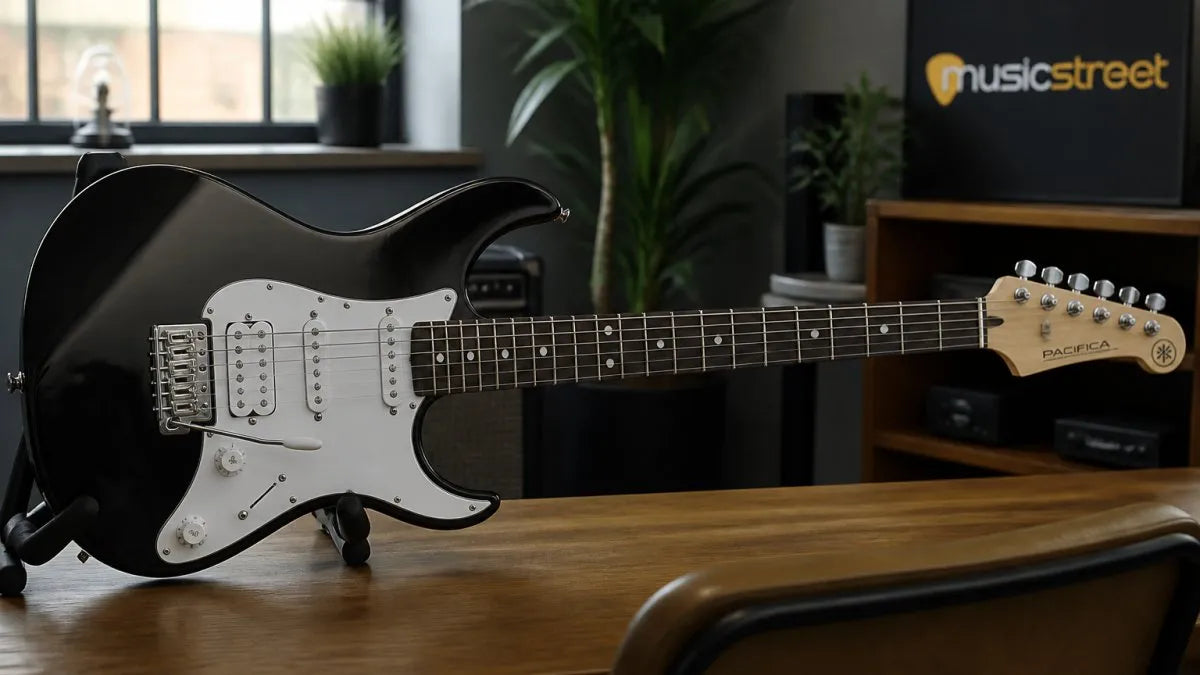
Budget-minded players will find dependable entry-level models from Ibanez and Yamaha. These guitars focus on playability and value, making them strong choices for new players.
What Price Ranges Suit Beginners and Intermediate Players?
Beginners will generally find good instruments in the £100–£500 range. Intermediate players often look at guitars from £500 upward for improved materials and build. Investing more as you progress can deliver clearer tone and greater durability.
Where to Find Quality Used and Pre-Owned Guitars with Part Exchange Options
Buying used instruments is an effective way to access higher-quality guitars at lower cost. Many shops offer part exchange so you can trade an older guitar for credit toward an upgrade. This saves money and lets you try different models before committing.
What Essential Accessories and Amplifiers Should You Consider?

Choose accessories that support playability, protection, and tone. Essentials include picks, straps, and cases, while the amplifier plays a central role in shaping your sound.
Which Guitar Accessories Enhance Playability and Sound?
A few key accessories markedly improve playability and tone:
- Guitar Picks: Different thicknesses and materials can affect your playing style and sound.
- Straps: A comfortable strap is essential for playing while standing, especially during long sessions.
- Cables: High-quality cables reduce signal loss and improve sound clarity.
How to Select the Right Amplifier for Your Guitar and Skill Level
Match the amp to your musical goals. Beginners benefit from small practice amps with built-in effects. As you progress, consider a more powerful amp with broader tonal control. Brands such as Fender and Marshall offer reliable choices for different stages of playing.
What Are the Key Electric Guitar Setup Tips and Maintenance Practices?
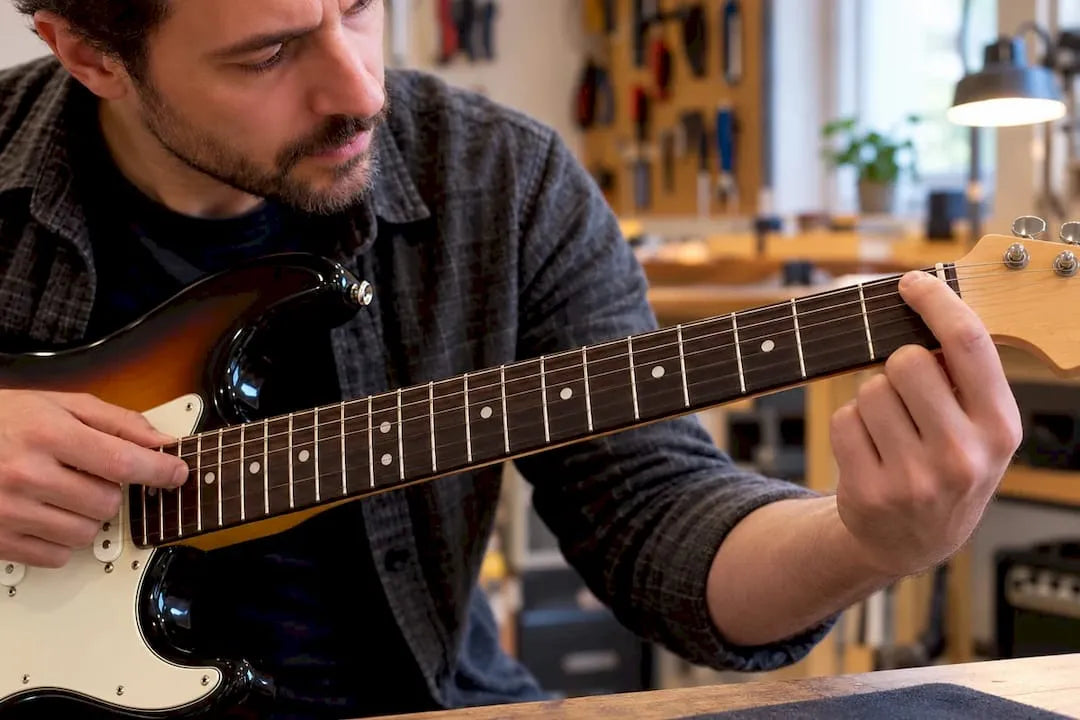
Regular setup and maintenance keep your guitar comfortable to play and sounding its best. Check neck relief, action height, and intonation to maintain playability and tone.
How Does Professional Setup Improve Playability and Tone?
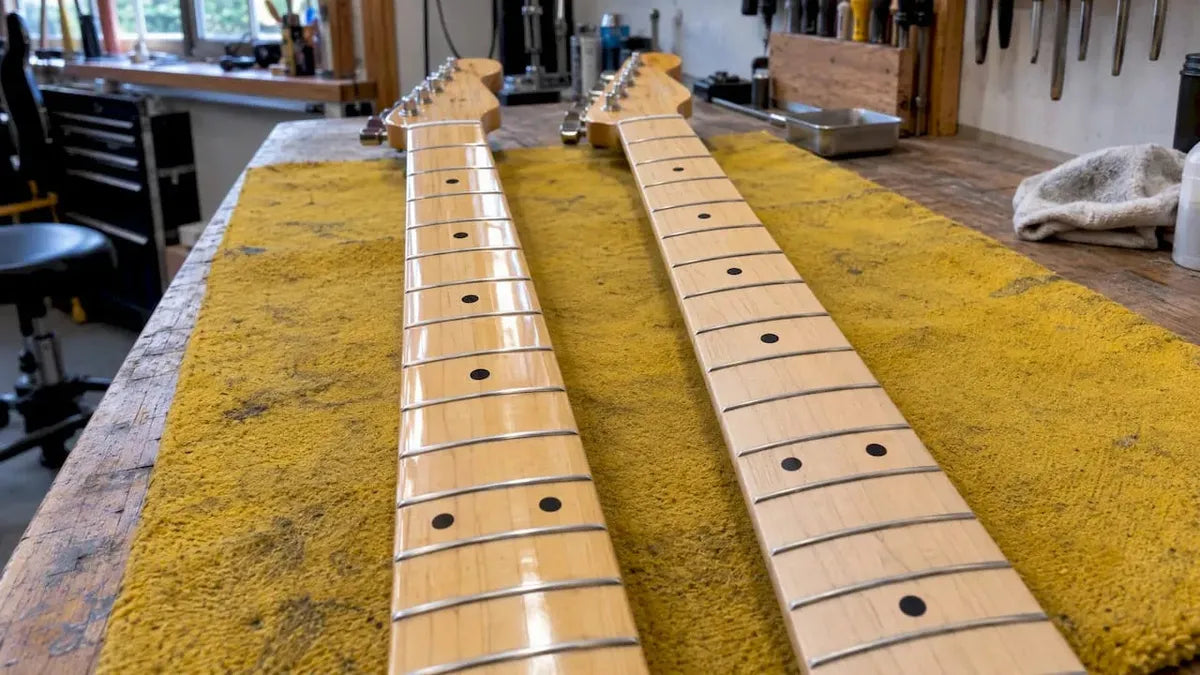
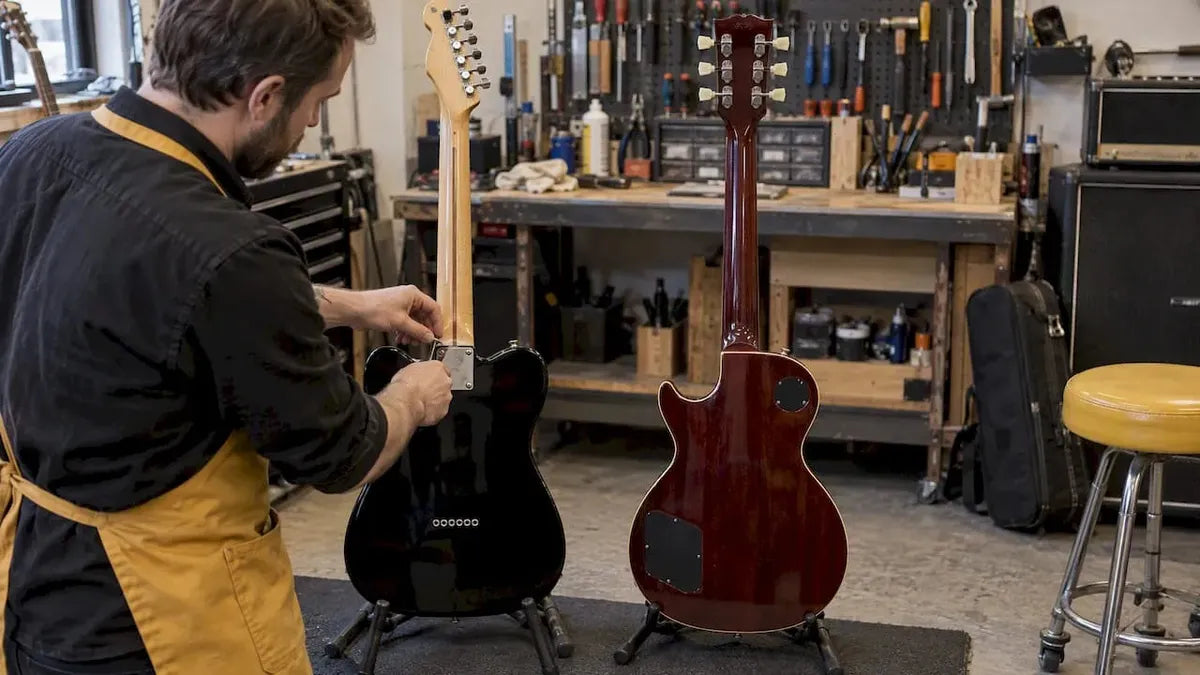
A professional setup can noticeably improve feel and sound. A technician will adjust the truss rod, action, and pickup height to suit your strings and playing style. This is especially useful if you change string gauges or techniques frequently.
What Routine Maintenance Keeps Your Guitar in Top Condition?
Routine care includes cleaning the fretboard, replacing strings regularly, and checking for wear. Look out for buzzing strings, tuning instability, or a decline in tone. Timely maintenance extends your guitar’s life and keeps it performing well.
| Accessory | Purpose | Recommended Brands |
|---|---|---|
| Guitar Picks | Enhance playability | Dunlop, Fender, Ernie Ball |
| Straps | Comfort during play | Levy's, Ernie Ball, Fender |
| Amplifiers | Shape sound | Fender, Marshall, Vox |
Frequently Asked Questions
What should I consider when buying my first electric guitar?
Prioritize comfort, playability, and tone. Choose a model that feels right in your hands and matches the music you want to play. Consider weight, body shape, and pickup type. Set a budget and explore entry-level options from Yamaha or Ibanez. Try several models in-store to find the best fit.
How important is the guitar's body shape in choosing an electric guitar?
Body shape affects tone and comfort. Solid, semi-hollow, and hollow bodies each produce different tonal qualities. Solid-body guitars like the Fender Stratocaster deliver sustain and clarity, while hollow bodies tend to sound warmer and more resonant. Also consider how the shape feels during long practice sessions.
What are the benefits of using a guitar amplifier?
An amplifier boosts and shapes your sound for practice and performance. It provides tone controls and built-in effects that change your character. Beginners often start with a simple practice amp; more advanced players may choose versatile amps with a wider tonal range. The right amp elevates your playing.
How often should I change the strings on my electric guitar?
How often you change strings depends on how much you play and your style. Regular players should change strings every 1–2 weeks; casual players might do so about once a month. Sweat, humidity, and string material affect lifespan. Replace strings when tone, tuning stability, or visible wear decline. Fresh strings improve tone and responsiveness.
What is the role of a guitar pick in playing?
A pick influences attack, tone, and feel. Thickness and material change the sound—thicker picks give a stronger attack, thinner picks a softer tone. Try different picks to find one that suits your technique and desired sound.
Are there specific maintenance tips for electric guitars?
Yes. Clean the fretboard, change strings regularly, and check neck relief and action height. Store your guitar in a stable environment to avoid humidity and temperature damage. If you hear buzzing or have tuning problems, schedule a professional setup. Consistent care preserves performance and tone.
Conclusion
The right electric guitar and accessories will improve your practice and performance. Understanding key features, brands, and maintenance helps you choose instruments that fit your style and budget. Explore our curated selection of guitars and accessories to find the best match for your needs. Start your musical journey and enjoy better sound and playability.






Share:
How to use guitar tuners for perfect sound: Practical guide
Understanding flanger effects: add depth and drama to your sound