


Top 5 Beginner Guitars to Help You Learn Faster and Play Confidently
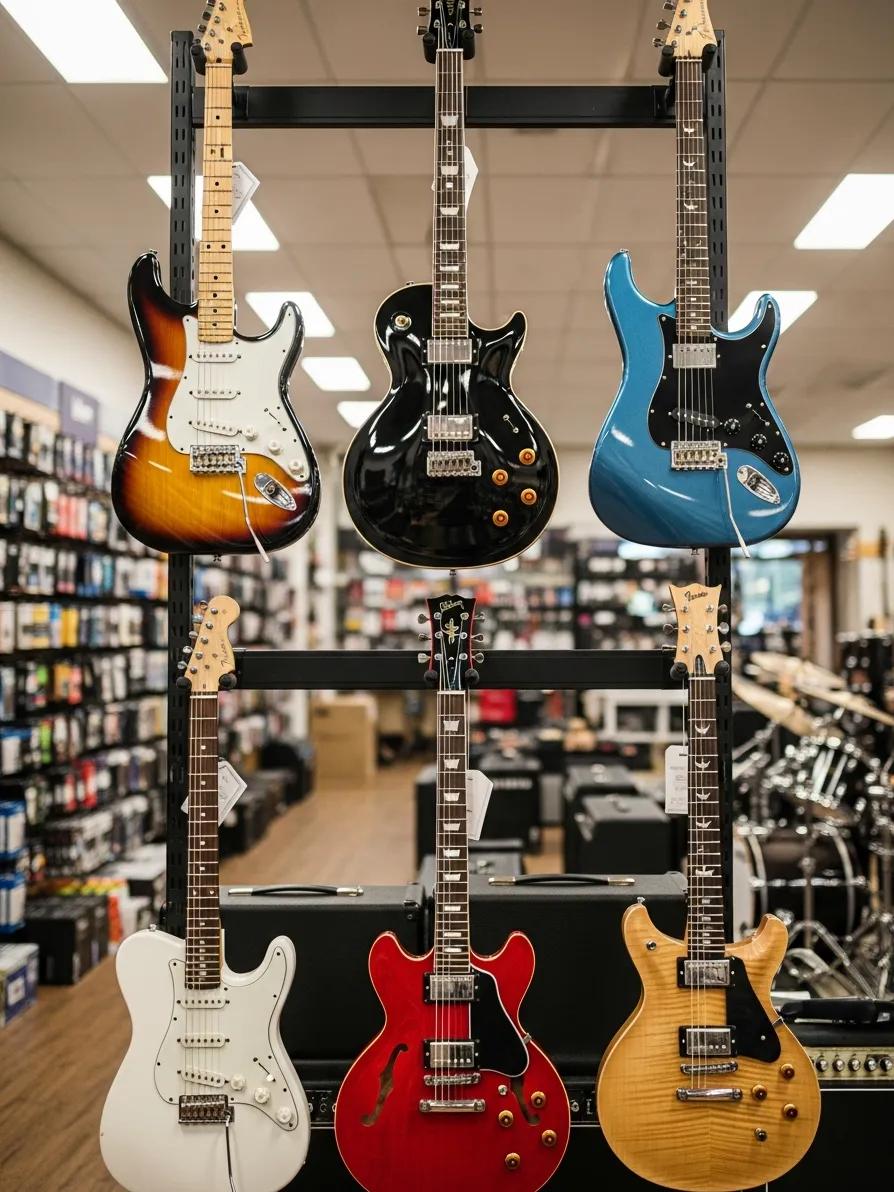
Picking the perfect guitar when you're just starting out is key to building skills quickly and staying motivated. Here at MusicStreet.co.uk, we blend expert insights with a handpicked selection of instruments, available both online and in our store, to help beginners find a guitar that's a joy to play and sounds fantastic.
Cognitive and Non-Cognitive Benefits of Musical Instrument Training
Academic studies demonstrate that consistent musical instrument training, such as learning to play the guitar, significantly improves various cognitive functions, including attention span, memory, and problem-solving capabilities. Furthermore, this training is associated with positive developments in non-cognitive traits like conscientiousness and ambition, contributing to enhanced overall personal and academic performance.
This research provides a broader scientific basis for the article's underlying premise that choosing the right instrument and engaging in consistent practice can lead to faster learning and greater confidence by enhancing fundamental cognitive and personal skills.
In this guide, you'll discover why the right beginner guitar makes all the difference, what to look for before you buy, our top five picks for making rapid progress, options for smaller hands and different body types, essential starter gear, and proven practice tips to boost your confidence and speed up your learning.
Why Does Choosing the Right Beginner Guitar Matter for Faster Learning?
Selecting a beginner guitar that's easy to play, stays in tune, and sounds great directly speeds up how quickly you learn. Guitars with comfortable neck shapes and stable setups mean less physical strain and frustration. For instance, guitars with low string action let your fingers form chords without pain, encouraging you to practice for longer and switch between chords more smoothly.
How Do Playability and Comfort Influence Your Learning Speed?
How playable and comfortable your guitar is dictates how long you'll practice and how fast you'll master basic techniques. A slim neck profile and a smooth fretboard let your fingers glide effortlessly, reducing muscle fatigue and allowing for more focused playing sessions. When a guitar feels like a natural extension of yourself, you build muscle memory faster and develop confident fretting techniques that will serve you well as you progress.
What Role Does Sound Quality Play in Building Confidence?
A rich, balanced tone rewards your efforts with clear resonance and dynamic response, reinforcing your progress. A guitar with a solid-top construction or quality pickups produces an inspiring sound that motivates beginners to explore different musical styles. Positive auditory feedback deepens your engagement and strengthens the connection between your practice and your achievements.
Why Is Guitar Size and Neck Profile Important for Beginners?

The right guitar dimensions and neck thickness prevent hand cramps and make finger placement easier. Full-sized dreadnought bodies can be a bit much for smaller players, while 3/4-scale models offer better reach. Matching the body size, scale length, and neck profile to your physique ensures you can practice comfortably and consistently, setting you up for steady improvement.
The Influence of Guitar Ergonomics on Beginner Learning and Comfort
Research highlights that ergonomic factors, including guitar neck profile and string action, significantly impact a beginner's comfort and learning progression. A neck profile suited to hand size reduces strain, while lower string action lessens finger pain, promoting longer and more effective practice sessions. Poor ergonomics can lead to discomfort and potential musculoskeletal issues, impeding consistent practice.
This research directly supports the article's emphasis on the importance of guitar size, neck profile, and playability features for reducing physical strain and accelerating skill acquisition in beginners.
What Are the Key Factors to Consider When Choosing Your First Guitar?
Deciding on your first guitar involves balancing the type of instrument, your budget, playability features, and how it fits your body to match your goals and comfort level. Understanding how each factor impacts your learning journey will help you make a smart investment in a guitar that supports your skill development right from the start.
Acoustic vs Electric: Which Guitar Type Is Best for Beginners?
The choice between acoustic and electric depends on string tension, neck shape, and the extra gear you'll need. Electric guitars often have lighter gauge strings and narrower necks, making fretting easier and speeding up chord changes. Acoustics, on the other hand, help build finger strength and offer great sound even when unplugged. Both types are excellent for building foundational technique, so choosing the one that inspires you musically will encourage consistent practice.
How Does Budget Affect Your Beginner Guitar Options?
Your budget will influence the quality of the wood, the reliability of the hardware, and what accessories are included. Guitars under £300 can still offer solid tops, sturdy tuners, and well-finished frets, while very budget-friendly models might need frequent adjustments. Investing enough for a well-set-up instrument prevents tuning frustrations and avoids discouraging sound issues.
What Features Make a Guitar Easy to Play for Beginners?
Features that make a guitar easier to play include low action (the distance between strings and frets), rolled fingerboard edges, lightweight bodies, and stable tuning machines. A truss rod adjustment allows you to fine-tune the neck relief for optimal string height, while factory setups with moderate string tension minimise hand strain. These design elements directly support longer, more productive practice sessions.
How Do Body Size and Scale Length Impact Playability?
Body dimensions and scale length affect how easily you can reach the frets and how comfortable the guitar feels. Short-scale guitars (24”–25”) reduce string tension and the distance your fingers need to stretch, making chord formation smoother. Slimmer bodies sit more naturally against your torso, encouraging good posture and making it easier to play for longer periods. Matching these dimensions to your body type boosts confidence and helps you retain what you learn.
What Are the Top 5 Beginner Guitars to Learn Faster and Play Confidently?
Our selection of five beginner guitars balances playability, tone, and build quality to help you develop skills rapidly. Each model excels in comfort, tuning stability, and inspiring sound, giving new players the tools they need to progress with confidence.
| Guitar Model | Feature | Benefit |
|---|---|---|
| Yamaha FG800 | Solid spruce top | Produces clear, resonant chords for instant feedback |
| Fender CD-60S | Scalloped bracing | Balances warmth and projection with reduced buzzing |
| Squier Affinity Stratocaster | Lightweight poplar body | Minimises fatigue during extended practice |
| Yamaha Pacifica 112V | Alnico V single-coil pickup | Delivers dynamic response that motivates creativity |
| Epiphone Les Paul Special | Mahogany body | Offers warm sustain that encourages confident playing |
Each of these guitars offers exceptional quality within beginner budgets, directly contributing to faster learning and greater confidence.
Yamaha FG800 Acoustic Guitar: Why Is It Ideal for Beginners?
The Yamaha FG800 combines a solid spruce top with a comfortable dreadnought body to deliver clear tone and responsive dynamics. Its smooth neck profile and factory-set low action mean beginners can form chords without hand cramping, while the acoustic resonance inspires exploration of strumming and fingerpicking. The FG800's reliability and solid build quality support early milestones in chord transitions and rhythmic control.
Fender CD-60S Acoustic Guitar: What Makes It Beginner-Friendly?
Fender’s CD-60S features scalloped bracing under a spruce top, creating a balanced sound that highlights each note clearly. The neck’s slim “C” profile and rolled fingerboard edges reduce finger discomfort, allowing learners to practice for longer. With stable tuning machines and a sturdy laminate back and sides, this guitar requires minimal upkeep and encourages consistent progress in chord fluency and strumming accuracy.
Squier Affinity Stratocaster Electric Guitar: How Does It Support New Players?
The Squier Affinity Stratocaster’s lightweight alder body and slim “C” neck profile make single-coil riffs and barre chords remarkably accessible. Its tremolo bridge and three-pickup setup introduce beginners to tonal variety without being overwhelming. Clean tones ring out clearly, encouraging exploration of scales, bends, and basic lead lines that build dexterity and fretboard familiarity.
Yamaha Pacifica 112V Electric Guitar: What Features Help Beginners Learn?
Yamaha’s Pacifica 112V balances affordability with professional features like Alnico V pickups and a contoured maple neck. The dual-humbucker/single-coil configuration offers a wide range of tonal options, helping beginners discover their own style. Smooth fret edges and reliable hardware keep the guitar in tune, so learners can focus on developing their technique rather than worrying about equipment issues.
Epiphone Les Paul Special Electric Guitar: Why Choose This Model?
The Epiphone Les Paul Special’s mahogany body and dual open-coil humbuckers produce warm, sustained tones that reward every strum. Its shorter scale length (24.75”) reduces finger stretch, and the SlimTaper neck promotes comfortable chord shapes. Robust build quality and straightforward controls guide beginners through foundational rock and blues patterns, building confidence in their early practice sessions.
Which Beginner Guitars Are Best for Small Hands and Different Body Types?
Guitarists with smaller hands or more compact frames will find scaled-down models and tailored designs that make finger placement effortless and playing posture comfortable. Choosing the right size ensures you can practice consistently without strain.
What Makes the Taylor GS Mini Suitable for Players with Small Hands?
The Taylor GS Mini’s 23.5″ scale length and compact Grand Symphony body reduce string tension and overall bulk, allowing smaller hands to navigate the frets with ease. Its high-quality Sitka spruce top and layered sapele back deliver a full-sized sound in a travel-friendly package. The lightweight design and narrower nut width help beginners maintain correct hand positioning without getting tired.
How Does the Squier Mini Strat Cater to Younger or Smaller Players?
With a 22.75″ scale and a slender body, the Squier Mini Strat brings a classic Stratocaster feel to smaller players. Its shorter reach simplifies forming chords, while the comfortable “C” neck profile is ideal for developing hands. Durable construction and a simple control layout let new players focus on technique and tone without any ergonomic challenges.
How to Choose the Right Guitar Size for Your Body Type?
Selecting the proper guitar size starts with matching the scale length, nut width, and body shape to your stature and arm length. Shorter scales reduce finger stretch and string tension, while slimmer bodies encourage a more natural playing posture. Visiting our in-store showroom to try out different fits and consulting with the experts at MusicStreet.co.uk ensures you find a guitar that suits your physique and learning goals.
What Essential Accessories Should Beginners Have with Their Guitar?

Pairing your guitar with the right accessories makes practice sessions smoother, protects your instrument, and helps you stay in tune. A well-equipped setup empowers learners to maintain consistency and focus on improving their skills.
Why Is a Tuner Crucial for Beginner Guitarists?
A reliable clip-on or pedal tuner ensures accurate pitch detection, which helps train your ear and reinforces correct finger placement. Consistent tuning stability builds muscle memory for accurate fretting and prevents confusion caused by out-of-tune strings.
What Are the Benefits of Picks, Straps, and Gig Bags?
High-quality picks in various thicknesses help beginners experiment with attack and tone, while adjustable straps promote good posture when playing standing up. A padded gig bag protects against bumps and humidity changes, preserving your guitar's setup and encouraging regular playing, whether you're at home or on the go.
How Do Capos and Spare Strings Enhance Learning and Playability?
A capo allows beginners to easily explore different keys using familiar chord shapes, deepening their musical understanding and expanding their repertoire quickly. Having spare strings on hand minimises downtime if a string breaks, ensuring uninterrupted practice and building confidence in your ability to handle basic maintenance.
How Can Beginners Learn Guitar Faster and Play with Confidence?
Structured practice routines, clear goals, and engaging learning paths accelerate progress and keep motivation high. Integrating various resources and enjoying the process helps build good habits and retain skills.
What Practice Routines Help Beginners Progress Quickly?
Following a balanced routine of warm-up exercises, chord drills, and scale practice builds dexterity and musical familiarity. For example, alternating between two-minute chromatic runs, five-minute chord changes, and ten-minute song practice creates measurable milestones that foster momentum and skill consolidation.
How Does Setting Goals Improve Your Guitar Skills?
Defining short-term goals—like mastering an open-chord sequence or playing a simple riff—creates focus and allows you to track your progress. Recording your achievements in a practice journal or app builds accountability and celebrates milestones, boosting confidence and encouraging consistent effort.
Why Should Beginners Consider Taking Lessons or Using Online Resources?
Combining one-on-one coaching with curated online tutorials offers personalised feedback and structured learning paths. Professional instruction corrects technique early on, while interactive platforms and video libraries supplement your practice with theory, song lessons, and community support that fuel accelerated learning.
Strategies for Enhancing Motivation and Accelerating Guitar Skill Acquisition
Studies on musical skill development underscore the critical role of intrinsic motivation, structured practice routines, and clear goal setting in accelerating learning and fostering confidence among novice guitarists. The availability of accessible online resources and the practice of tracking personal progress are also identified as key factors in sustaining engagement and overcoming common learning challenges.
This research validates the article's recommendations regarding proven practice strategies, setting goals, and utilizing online resources to boost confidence and accelerate learning for beginners.
How Can Enjoying the Process Boost Your Confidence?
Incorporating your favourite songs, jamming with friends, or recording your progress turns practice into play. Celebrating small victories—like nailing your first barre chord—builds self-assurance and reinforces the connection between your practice efforts and the rewarding sound you produce, motivating you to embrace challenges and advance more quickly.
Choosing the right beginner guitar and pairing it with supportive accessories and practices lays the groundwork for continuous musical growth. Embrace this curated selection and start your journey with confidence, knowing that expert advice and quality instruments from MusicStreet.co.uk will be with you every step of the way.





Share:
Fender Telecaster vs Stratocaster: Which Is Right for You? | MusicStreet
duesenberg guitars price