


The best PRS guitars for UK buyers right now are the Custom 24 (Core flagship, unbeatable versatility), the S2 Standard 24 (Maryland-made value), the SE Custom 24 (the entry point that punches hardest), the CE 24 (bolt-on character, US-made), the McCarty 594 (vintage voice, set-neck warmth), and the S2 Vela (offset cool, singlecut-adjacent tone). Each sits in a different tier and price bracket, so the right one depends almost entirely on what you play and what you can spend.
Musicstreet stocks PRS across all major tiers, with professional setup and inspection available before any guitar leaves the shop. One fact worth knowing before you spend a penny: S2 models now ship with Maryland-made pickups and Phase III tuners, which genuinely narrows the gap between the S2 and Core lines.
Quick next steps:
-
Try the Custom 24 or McCarty 594 in store if you want a Core set-neck feel before committing
-
Check used S2 and CE stock for the sharpest value in the UK market
-
If budget is the priority, the SE Custom 24 is the place to start
| Model | Series / Tier | Best for | Approx UK price (new) |
|---|---|---|---|
| Custom 24 | Core | Versatility, rock, studio | £2,000–£3,500+ |
| McCarty 594 | Core | Blues, vintage rock, jazz | £2,200–£3,800+ |
| S2 Standard 24 | S2 | Gigging, value US-made | £1,000–£1,500 |
| S2 Vela | S2 | Indie, blues, clean tones | £1,000–£1,400 |
| CE 24 | CE (Bolt-On) | Rock, country, snappy attack | £1,400–£2,000 |
| SE Custom 24 | SE | Beginners, budget players | £600–£900 |
Table of Contents
How do the top PRS guitars compare across UK buying criteria?
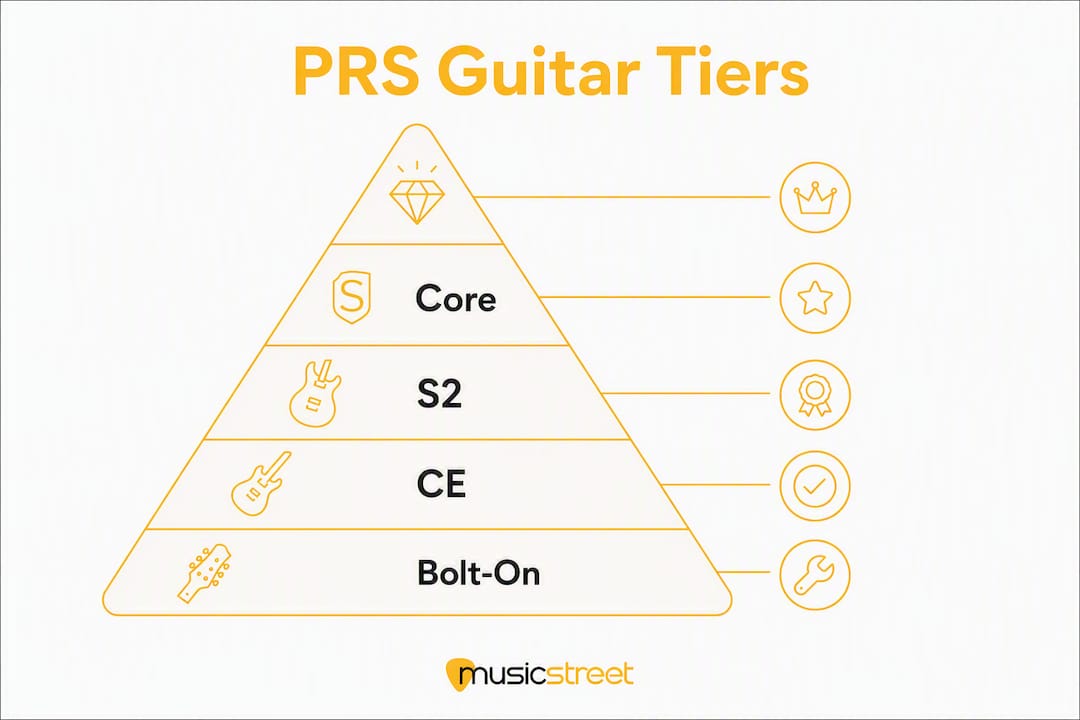
PRS organises its range into five distinct tiers: SE (overseas-built, value-focused), S2 (Maryland-made, streamlined spec), CE/Bolt-On (US-made, bolt-on neck), Core (US-made, set-neck flagship), and Private Stock (custom pinnacle). That structure shapes every buying decision, so the table below maps the shortlisted models against the dimensions that actually matter in the UK market.
| Model | Series | Construction | Tone character | Approx UK price (new) | Pros | Cons |
|---|---|---|---|---|---|---|
| Custom 24 | Core | Set-neck | Versatile, articulate, full | Iconic, superb QC, 5-way blade | Higher price point | |
| McCarty 594 | Core | Set-neck | Warm, vintage, PAF-like | Exceptional resonance, push/pull coil-split | Heavier model, premium price | |
| S2 Standard 24 | S2 | Set-neck | Balanced, punchy | MD-made, Phase III tuners, great value | Simpler finish vs Core | |
| S2 Vela | S2 | Set-neck | Clean, chimey, singlecut feel | Unique voice, offset body, MD pickups | Niche appeal | |
| CE 24 | CE Bolt-On | Bolt-on | Snappy, bright, defined | £1,400–£2,000 | US-made, distinct attack, 85/15 pickups | Less sustain than set-neck |
| SE Custom 24 | SE | Set-neck | Warm, versatile | Exceptional value, coil-split, gigbag included | Imported, basic hardware |
Price overlap is real. A higher-spec SE can sit close to an entry-level S2 in price, and a used Core instrument sometimes costs less than a new CE. The used market in the UK shifts value considerably, particularly for CE 24s and older Core models. Price overlap between tiers is partly explained by differences in finish process, top-wood dimensions, and accessory packaging rather than build quality alone.
Editor picks: which PRS model should you actually buy?
PRS Custom 24 (Core)
The Custom 24 is PRS’s most iconic model and the one most players think of when someone says “PRS.” A figured maple top over a mahogany back, 24 frets, a Pattern Thin neck, and the 5-way blade switch that unlocks both full humbucking and single-coil-inspired tones. It covers rock, blues, studio work, and everything in between without breaking a sweat.
Specs at a glance:
-
Series: Core | Set-neck | 25" scale
-
Pickups: PRS 58/15 LT (or DMO on limited editions)
-
Hardware: Gen III tremolo, Phase III locking tuners
-
Typical UK new price: £2,000–£3,500+
-
Ships with: hardshell case
Pros: Unmatched versatility, superb resonance, consistent quality control across production runs. Cons: The price is a genuine commitment. Used examples are plentiful, which helps.
Best for: Players who want one guitar that handles everything from clean jazz to driven rock.
PRS McCarty 594 (Core)
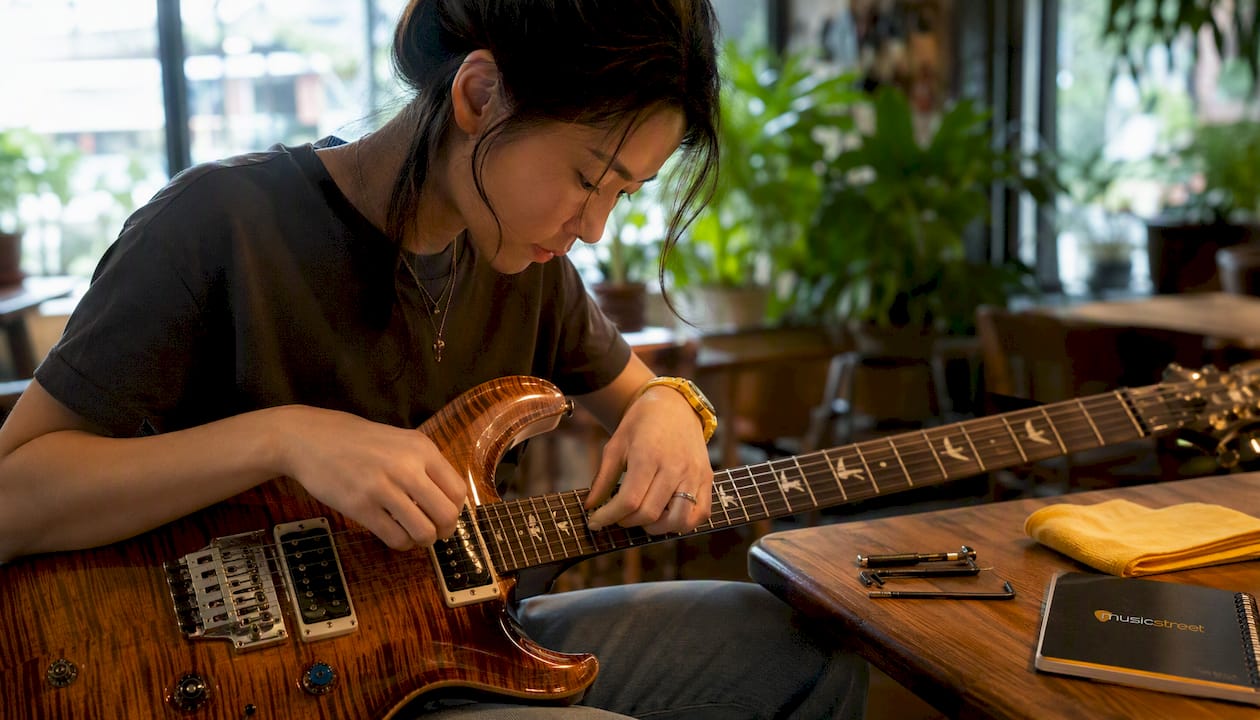
Where the Custom 24 is a modern workhorse, the McCarty 594 is something more specific: a guitar built around vintage PAF-style tone. The 24.594" scale length (splitting the difference between Gibson and Fender) gives it a slightly looser, warmer feel. Push/pull coil-splitting on both volume controls opens up a wide range of single-coil textures. Blues players and anyone who loves a resonant, woody clean tone tend to fall hard for this one.
Specs at a glance:
-
Series: Core | Set-neck | 24.594" scale
-
Pickups: 58/15 LT humbuckers
-
Hardware: Stoptail or tremolo options, Phase III tuners
-
Typical UK new price: £2,200–£3,800+
-
Ships with: hardshell case
Pros: Exceptional acoustic resonance, vintage character without vintage fragility, coil-split versatility. Cons: Heavier than the Custom 24 in some configurations; the price ceiling is high on figured tops.
Best for: Blues, vintage rock, jazz, and studio players who want PAF warmth with modern reliability.
PRS S2 Standard 24 (S2)
The S2 Standard 24 is the answer to the question most UK gigging musicians eventually ask: “Can I get a Maryland-made PRS without spending Core money?” Yes, and the gap has narrowed further since S2 models began shipping with Maryland-made pickups and Phase III locking tuners. The scarf-joint neck and thinner finish process keep costs down, but the guitar is assembled in the same Stevensville factory as Core instruments.
Specs at a glance:
-
Series: S2 | Set-neck | 25" scale
-
Pickups: Maryland-made S2 humbuckers
-
Hardware: Phase III locking tuners, PRS tremolo
-
Typical UK new price: £1,000–£1,500
-
Ships with: gigbag
Pros: US-made, upgraded electronics, excellent gigging reliability, strong resale value. Cons: Simpler finish and smaller top-wood dimensions than Core; ships with gigbag rather than hardshell case.
Best for: Working musicians and gigging players who want US provenance without the Core price tag.
PRS S2 Vela (S2)
The Vela is the oddball of the S2 line, and that is precisely why it deserves a mention. An offset single-cut body, a singlecut-adjacent silhouette, and a pickup configuration that leans toward clean, chimey tones rather than high-gain saturation. It suits indie, alternative, and blues players who want something that looks and sounds a little different from the standard double-cut PRS template.
Specs at a glance:
-
Series: S2 | Set-neck | 25" scale
-
Pickups: Maryland-made S2 humbuckers (singlecut layout)
-
Hardware: Phase III tuners, stoptail bridge
-
Typical UK new price: £1,000–£1,400
-
Ships with: gigbag
Pros: Unique voice in the PRS range, Maryland-made, excellent for clean and edge-of-breakup tones. Cons: Not the right tool for high-gain metal; niche appeal means fewer used examples in the UK market.
Best for: Indie, blues, and alternative players who want a PRS that stands apart from the crowd.
PRS CE 24 (CE Bolt-On)
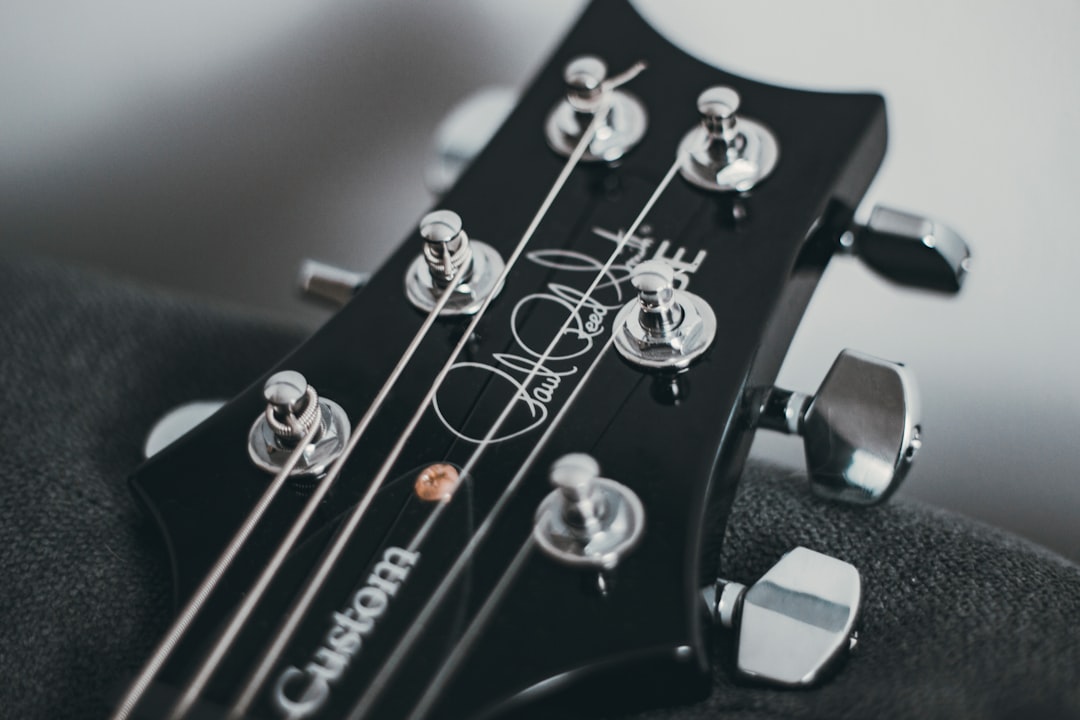
The CE 24 is the model that confuses people most, and it should not. Bolt-on construction is a deliberate tonal choice, not a cost-cutting measure. The bolt-on neck delivers a snappier, more defined attack with slightly less sustain than a set-neck. That character suits country, funk, and certain styles of rock where note definition matters more than bloom. The CE 24 is US-made, carries 85/15 pickups, and sits at a price point that makes used examples genuinely compelling.
Specs at a glance:
-
Series: CE Bolt-On | Bolt-on neck | 25" scale
-
Pickups: 85/15 humbuckers with coil-split
-
Hardware: PRS tremolo, Phase III tuners
-
Typical UK new price: £1,400–£2,000
-
Ships with: gigbag (current production)
Pros: US-made, distinct tonal character, excellent used-market value, coil-split versatility. Cons: Less sustain than set-neck Core models; some players find the bolt-on feel unfamiliar coming from Gibson-style guitars.
Best for: Rock, country, and funk players who want US-made PRS quality with a snappier, Fender-adjacent attack.
Pro Tip: If you want a PRS for metal, the CE 24’s coil-split and bolt-on attack work well for tighter, more defined riffing. Musicstreet’s guide on PRS guitars for metal covers this in more detail.
PRS SE Custom 24 (SE)
The SE Custom 24 is where most players start with PRS, and for good reason. It replicates the Custom 24 body shape, 24-fret neck, and 5-way blade switch at a fraction of the Core price. The 85/15 “S” pickups are capable instruments in their own right, and the coil-split function adds real tonal range. Editorial testing confirms that PRS quality control is consistent across series; the SE’s differences are feature and material-driven, not craftsmanship-driven.
Specs at a glance:
-
Series: SE | Set-neck | 25" scale
-
Pickups: 85/15 “S” humbuckers with coil-split
-
Hardware: PRS tremolo, PRS-designed tuners
-
Typical UK new price: £600–£900
-
Ships with: gigbag
Pros: Exceptional value, versatile tones, solid build quality, gigbag included. Cons: Overseas-manufactured; hardware and finish are a step below S2 and Core.
Best for: Beginners and intermediate players who want the PRS experience without the premium outlay. Also a solid second guitar for gigging when you do not want to risk your Core.
How do you choose the right PRS for your needs?
Start with three questions: What do you play? What neck profile suits your hand? And do you want bolt-on snap or set-neck sustain? Everything else follows from those answers.
Step-by-step decision checklist:
-
Define your use case. Stage gigging, home practice, and studio recording each favour different models. Gigging players benefit from the S2’s durability and value; studio players often prefer the Core’s resonance and tonal range.
-
Try the neck profiles. PRS offers Pattern, Pattern Thin, Pattern Regular, and Wide Thin profiles. The Pattern Thin (used on the Custom 24) suits most players; the Pattern Regular is chunkier and suits those who prefer a fuller grip.
-
Test pickups at volume. Clean tones reveal pickup character more honestly than driven tones. Run the 5-way blade through all positions at a moderate volume before deciding.
-
Check the tremolo or stoptail. If you want a fixed bridge for tuning stability, opt for a stoptail model. If you use the tremolo, verify it returns to pitch reliably after use.
-
Assess hardware and case. Core models ship with a hardshell case; S2 and SE models typically include a gigbag. Factor in the cost of a case if you need one.
-
Inspect intonation and setup. Play a note at the 12th fret harmonic, then fret the same note. If they match, the intonation is set correctly. A guitar that is out of intonation at the shop is not necessarily a problem, but it tells you something about how it has been stored.
Pre-purchase checklist (new or used):
-
Neck straight with no visible twist or bow
-
Frets level, no sharp ends or excessive wear
-
Pickups original (check model codes on the baseplate)
-
Tuners original and functioning smoothly
-
Tremolo routing clean, no binding or scratching
-
Electronics clean (no crackle on volume pot, no dead switch positions)
-
Finish consistent, no cracks around the neck joint
-
Case or gigbag present and in good condition
Red flags: non-original pickups without a price reduction, replaced tuners (especially on Core models), finish cracks at the neck heel, and a tremolo that binds in the cavity.
Pro Tip: When buying used, bring a CruzTools Groovetech Guitar Player Tech Kit or at minimum a tuner. A quick intonation check and a look at the truss rod relief takes under two minutes and tells you whether the guitar needs a setup before it is playable.
For broader buying guidance tailored to the UK market, Musicstreet’s guitar shopping tips for UK musicians covers the full process from budget-setting to after-sales.
What are the PRS tiers, and which one suits you?
PRS structures its range into five tiers, each with a distinct manufacturing profile and price position. Understanding them saves you from overspending on features you do not need, or underspending and missing the spec that matters to you.
The quick rule of thumb:
-
SE: Overseas-built, excellent value, the entry point
-
S2: Maryland-made, streamlined spec, the value sweet spot for US-made
-
CE (Bolt-On): US-made, bolt-on neck, distinct tonal character
-
Core: US-made, set-neck flagship, the full PRS experience
-
Private Stock: Custom, limited production, the pinnacle
Key manufacturing and hardware differences:
-
SE guitars are built by overseas manufacturing partners and use SE-branded pickups and hardware. Finish is gloss or satin depending on the model.
-
S2 guitars are built in Stevensville, Maryland, in the same factory as Core instruments, but use scarf-joint necks, smaller top-wood dimensions, and a thinner finish process to bring the price down. Since 2024, most S2 models include Maryland-made pickups and Phase III locking tuners.
-
CE (Bolt-On) guitars are US-made with a bolt-on neck joint. The bolt-on construction is a deliberate tonal decision: it produces a snappier attack and slightly more defined note separation than a set-neck design.
-
Core guitars use full set-neck construction, larger top-wood pieces, a multi-step finishing process, and Core-spec pickups. They ship with a hardshell case.
-
Private Stock instruments are built to individual order with premium tonewoods, custom inlays, and finishes not available elsewhere in the range.
| Tier | Origin | Neck joint | Typical UK price (new) | Case / packaging | Musical strengths | Best suited to |
|---|---|---|---|---|---|---|
| SE | Overseas | Set-neck | Affordable price range | Gigbag | Versatile, value | Beginners, budget players |
| S2 | Maryland, USA | Set-neck | Mid-level price range | Gigbag | Balanced, gigging | Working musicians |
| CE (Bolt-On) | Maryland, USA | Bolt-on | Higher mid-level price range | Gigbag | Snappy, defined | Rock, country, funk |
| Core | Maryland, USA | Set-neck | Premium price range | Hardshell case | Full resonance, studio | Professionals, collectors |
| Private Stock | Maryland, USA | Set-neck | High-end price range | Hardshell case | Custom, pinnacle | Collectors, touring pros |
The recent S2 specification changes, specifically the addition of Maryland-made pickups and Phase III tuners, make the S2 a genuinely strong option for UK professional players. The practical gap between an S2 and a Core has narrowed to finish quality and top-wood dimensions. For a gigging musician who needs a reliable US-made instrument that can take the rigours of touring, the S2 now makes a compelling case that it did not quite make three or four years ago.
Buying used vs new in the UK: what you need to know
New means warranty, known condition, and the full retail experience. Used means access to discontinued models, lower prices, and the occasional bargain that a new buyer simply cannot replicate. Both are valid routes; the decision comes down to risk tolerance and budget.
Key trade-offs:
-
New PRS guitars from authorised UK retailers come with the manufacturer’s warranty and, in most cases, a retailer return window. You know exactly what you are getting.
-
Used instruments can save you £300–£800 on an S2, and sometimes more on older Core models, depending on condition and provenance.
-
Discontinued models (certain CE 24 configurations, older McCarty variants) are only available used.
Pre-purchase inspection checklist for used PRS guitars:
-
Check neck straightness by sighting down the fretboard from the headstock. A slight forward bow is normal; a twist or back-bow is a problem.
-
Examine fret wear, particularly at the first five frets. Heavy divots suggest the guitar has been played hard and may need a refret sooner than expected.
-
Verify pickup originality. Confirm pickup model codes on the baseplate; swapped pickups are a common reason for price reductions and affect resale value.
-
Check tuner type. Phase III tuners on an S2 or CE confirm it is a more recent production run with upgraded spec.
-
Test all electronics. Run through every switch position and rotate both pots fully. Any crackle or dead position needs attention.
-
Inspect the tremolo cavity. Look for binding, scratching, or signs that the spring claw has been adjusted excessively.
-
Confirm the case or gigbag. A Core without its original hardshell case is worth less on resale and costs more to transport safely.
Pro Tip: Musicstreet inspects and professionally sets up every pre-owned guitar before it goes on sale. Buying used through an inspected specialist removes most of the risk from the checklist above, because the work has already been done.
Used CE 24s in the UK market often can be found for significantly less than new models, representing strong value against a new SE at the higher end of its price range. A used S2 Standard 24 in good condition typically sits between £700 and £1,000. Delivery on in-stock used instruments from UK retailers is usually two to five working days; rarer or consignment pieces may take longer if they require setup before dispatch.
If you want to track price movements on specific used models, WantThis price tracking lets you set alerts when a listed guitar drops to your target price, which is useful for patient buyers watching the UK second-hand market.
Where should you buy a PRS guitar in the UK?
Buy from an authorised PRS retailer or a specialist pre-owned dealer who inspects instruments before sale. Those two categories cover the vast majority of reputable UK purchase routes.
What to check in any retailer before you buy:
-
Authorised status: Authorised retailers receive factory-fresh stock and can process warranty claims directly with PRS.
-
Setup service: A guitar that has been professionally set up before dispatch plays better out of the box. Ask whether setup is included or available.
-
Returns policy: UK consumer law gives you 14 days to return an online purchase, but a retailer’s own policy may extend that. Confirm before buying.
-
Inspection reports for used stock: Any reputable used specialist should be able to tell you what was checked and what, if anything, was adjusted.
-
Delivery timelines: In-stock guitars from UK retailers typically arrive within two to five working days. Import delays are not usually a factor for PRS instruments held in UK warehouse stock, but it is worth confirming if you need the guitar by a specific date.
-
After-sales support: Setup adjustments, warranty queries, and trade-in valuations are all easier when your retailer has a physical presence and a named point of contact.
Musicstreet operates from its store in Huntingdon, Cambridgeshire, with online ordering and free UK delivery available on qualifying orders. Every guitar sold through Musicstreet, new or pre-owned, benefits from professional inspection and setup before it ships. You can browse the current PRS collection at Musicstreet to check live stock and pricing.
Pro Tip: If you are within driving distance of Huntingdon, an in-store visit lets you try multiple PRS neck profiles back to back in under an hour. That single session eliminates more uncertainty than any amount of online research.
Key takeaways
The Custom 24 remains the single best all-round PRS for most UK players, but the S2 line’s recent upgrades make it the sharpest value proposition in the range for working musicians.
| Point | Details |
|---|---|
| Start with the Custom 24 | PRS’s most versatile Core model; covers rock, blues, studio, and live work in one instrument. |
| S2 is the value sweet spot | Maryland-made with Phase III tuners and MD pickups since 2024; a strong alternative to Core at £1,000–£1,500. |
| CE bolt-on is a tonal choice | Snappier attack suits rock, country, and funk; not inferior to set-neck, just different. |
| Inspect used guitars carefully | Check pickup codes, tuner type, neck straightness, and electronics before committing to any second-hand purchase. |
| Musicstreet for setup and stock | Musicstreet offers professional inspection, setup, and free UK delivery on qualifying orders from its Huntingdon store. |
What UK buyers actually ask about PRS guitars
The question Musicstreet hears most often is some version of: “Which PRS should I start with, and is it worth spending more?” The honest answer is that the SE Custom 24 is the right starting point for most players, but anyone who gigs regularly or records seriously will find the S2 Standard 24 worth the extra investment, particularly given the specification upgrades introduced in recent production runs.
The second most common question is about neck profiles. Players coming from Fender guitars tend to prefer the Pattern Thin; those coming from Gibson often find the Pattern Regular more familiar. Trying both back to back in store resolves that question in minutes.
Musicstreet’s team can advise on setup preferences, trade-in valuations, and which models are currently in stock for immediate dispatch. The combination of in-store inspection, professional setup, and post-sale support is what makes buying through a specialist retailer worth it, particularly for a first PRS purchase where the tier and model choice can feel genuinely complex.
Ready to find your PRS at Musicstreet?
Musicstreet gives UK players a direct route to the PRS models covered in this guide, with professional setup included before dispatch and free UK delivery on qualifying orders. Whether you want to try a Core Custom 24 in person at the Huntingdon store or order an S2 Standard 24 online with confidence, the process is straightforward.
Every pre-owned guitar at Musicstreet is inspected and set up before it goes on sale. That includes checking neck relief, intonation, fret condition, and electronics, so you receive an instrument that plays correctly from day one. The Groovetech Mini Multi-Tool is a practical addition to any PRS purchase if you want to handle minor adjustments yourself between services.
Browse the full range of new and pre-owned guitars at Musicstreet, or visit the store in Huntingdon to play before you buy. If you have a specific model in mind, contact the team directly for current stock availability and delivery timelines.
Useful sources
-
PRS Product Series: The Breakdown — PRS’s own explanation of tier structure, manufacturing differences, and positioning across SE, S2, CE, Core, and Private Stock.
-
About the S2 and Bolt-On Series — PRS support page detailing S2 production methods, scarf-joint necks, and recent specification updates including MD-made pickups and Phase III tuners.
-
The PRS S2 Series: A buyer’s guide — UK PRS blog covering S2 upgrades introduced around 2024–2025 and their implications for working musicians.
-
Best PRS guitars — Guitar Player — Editorial reviews and hands-on assessments of PRS models across tiers; useful for model-specific tonal notes.
-
CE or SE: which is better? — PRS Forum — Community discussion on bolt-on vs set-neck character and used-market value comparisons.
-
Musicstreet PRS collection — UK stock overview and availability for PRS models across all tiers.
FAQ
What is the best PRS guitar to buy?
The Custom 24 is the most versatile PRS and suits the widest range of players, but the right choice depends on your playing style, budget, and whether you prefer bolt-on or set-neck construction.
What are the tiers of PRS guitars?
PRS makes five tiers: SE (overseas-built, entry-level), S2 (Maryland-made, value-focused), CE/Bolt-On (US-made, bolt-on neck), Core (US-made, set-neck flagship), and Private Stock (custom, limited production). Each tier is defined by its manufacturing origin, construction method, and specification level.
Which is better, PRS SE or CE?
The CE is US-made with a bolt-on neck and generally carries better hardware than the SE, but it costs significantly more. For a gigging guitar on a tighter budget, the SE Custom 24 delivers strong value; for players who want US provenance and a snappier tonal character, the CE 24 is worth the premium, particularly when bought used.
Are S2 PRS guitars worth buying in the UK?
Yes. Since S2 models began shipping with Maryland-made pickups and Phase III tuners, the practical gap between S2 and Core has narrowed to finish quality and top-wood dimensions. For UK gigging musicians, the S2 Standard 24 at £1,000–£1,500 new represents the strongest value in the Maryland-made PRS range.

Share:
Maton guitars: the UK buyer's complete guide
Best guitar amps 2025: top picks for every player