

How to Trade In Your Guitar for the Best Value in the UK
Trading in your current guitar can unlock significant savings on your next purchase while avoiding the hassle of private sales. In this guide you’ll discover how part exchange works, expert valuation methods, cash-for-guitar alternatives, accepted brands, safe shipping tips, and why MusicStreet leads the market in Cambridgeshire. You’ll learn:
- What guitar part exchange is and how it operates
- How professionals value instruments for trade-ins or outright purchase
- Options for selling your used guitar for cash
- Which brands and models qualify for part exchange
- Best practices for packaging, shipping and insurance
- MusicStreet’s unique approach to advice, setup and customer satisfaction
- Answers to the most common trade-in enquiries
This comprehensive overview combines expert insight with actionable steps to help you trade in your guitar for the best possible value.
What Is Guitar Part Exchange and How Does It Work?
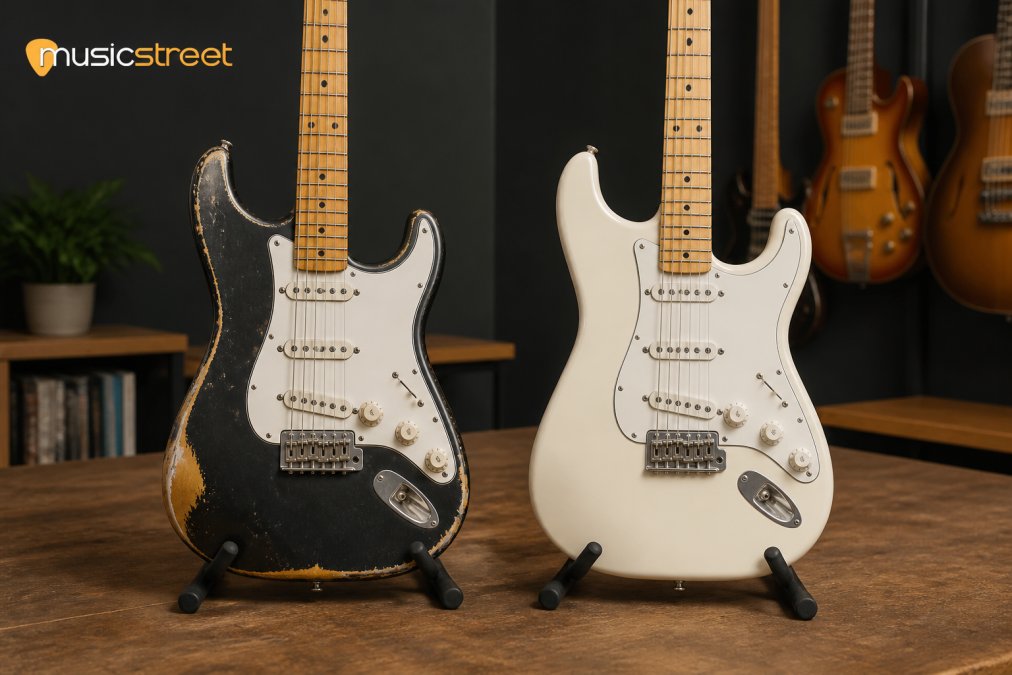
Guitar part exchange is a service that lets you trade your used instrument and credit its value toward a new or different guitar. The process begins with an appraisal that assesses condition, brand reputation and market demand before offering a trade-in figure you can redeem against your next purchase. For example, trading a well-maintained Fender Stratocaster could reduce the cost of a PRS by up to 25%, making upgrades more affordable.
Growth in UK Second-Hand Goods Market Driven by Economic and Sustainability Factors
The UK's second-hand goods market has experienced significant growth, with sales increasing by 15% to £21 billion in the past year. This surge is largely attributed to the cost-of-living crisis, which encourages consumers to seek more affordable options, and a growing awareness of environmental sustainability. This trend is observed across various product categories, including electronics.
This research provides a broad market context for the article, demonstrating the increasing consumer engagement with the second-hand economy, which includes musical instruments like guitars.
What Are the Benefits of Part Exchanging Your Guitar?
- It streamlines the transaction by combining selling and buying into one step.
- You often secure higher value than a direct cash sale.
- Offset VAT on a new instrument when trading in a VAT-inclusive used guitar.
- Avoid the risks and delays of private sale listings.
These benefits make part exchange an efficient route to upgrade your rig while minimising time and effort.
How Does MusicStreet’s Part Exchange Process Operate?
MusicStreet’s step-by-step exchange procedure delivers fair quotes and transparent service:
- Submit enquiries online or in-store with instrument details.
- Schedule inspection or send photos for an expert appraisal.
- Receive a no-obligation trade-in offer valid for 30 days.
- Use the agreed credit toward any new or pre-owned purchase.
- Finalise the deal and enjoy your upgraded guitar.
This structured workflow ensures you know your options at each stage, making the exchange seamless.
What Documentation and Identification Are Required for Trade-in?
To complete a guitar part exchange, you must provide:
- A valid passport or driving licence for identity verification.
- Proof of ownership such as purchase receipt or serial-number record.
- Any original accessories, cases or paperwork to maximise value.
Fulfilling these requirements secures compliance with UK trading regulations and speeds up the process.
Can You Part Exchange Guitars Online or In-Store?
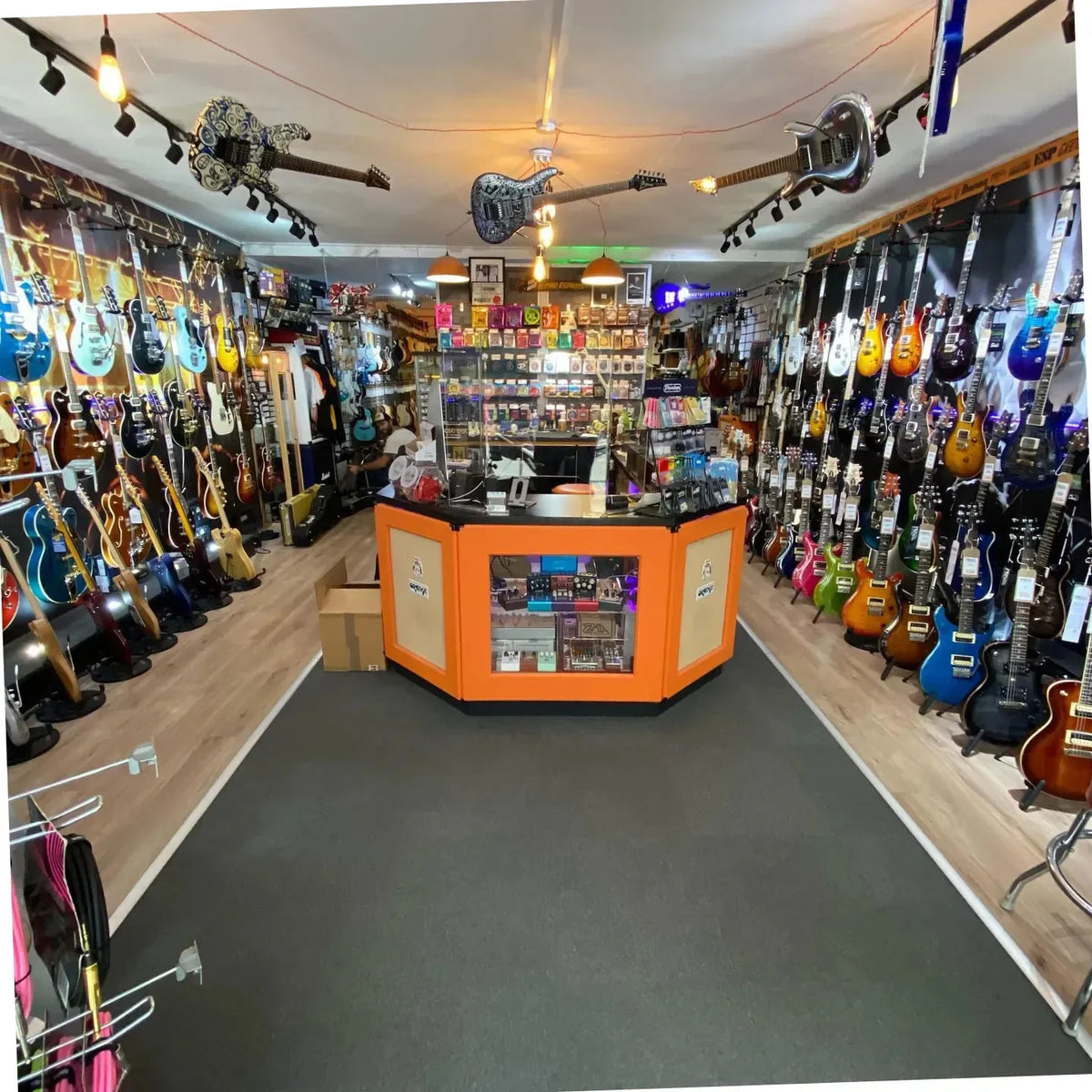
Yes, part exchange is available both online and at MusicStreet’s Huntingdon showroom. Online exchanges rely on detailed photographs and condition reports, while in-store evaluations allow hands-on inspections by our specialists.
Key distinctions:
- Online: Convenient from home, quick photo-based quotes.
- In-Store: Immediate walk-in appraisals, personalised advice.
Regardless of the channel, you benefit from the same expert pricing and flexible credit toward your next purchase.
How Is Your Guitar Valued for Trade-in or Sale?
Guitar valuation combines objective condition grading with market-driven pricing to determine a fair trade-in or cash offer. Experts evaluate physical wear, brand prestige, model popularity and recent sales data before calculating a value that reflects current demand, ensuring you receive an accurate appraisal.
Valuation Factors and Sales Channels in the Used Musical Instrument Market
The value of a used musical instrument, such as a guitar, is determined by its condition, brand reputation, model popularity, and rarity. While online platforms like Reverb offer price guides based on recent sales, selling through specialist shops can provide a quicker transaction, though offers may reflect the shop's overheads and resale considerations.
This information directly supports the article's detailed explanation of how guitars are valued for trade-in or sale and outlines the different avenues available for selling used instruments.
What Factors Affect Guitar Valuation: Condition, Brand, and Model?
The three primary attributes that shape a guitar’s trade-in price are:
- Condition: Categorised from “Mint” to “Fair” based on playwear, fret wear and cosmetic marks.
- Brand: Premium names like Fender, Gibson and Martin command higher baseline values.
- Model: Iconic models (e.g., Stratocaster, Les Paul Standard) retain more value than entry-level instruments.
Each factor carries weight in the valuation formula and influences the final offer.
How Does Rarity and Vintage Status Influence Guitar Value?
Limited editions and vintage guitars often attract collector premiums, boosting trade-in figures significantly. The table below illustrates typical multipliers applied for rarity factors:
| Vintage Era | Production Volume | Typical Value Multiplier |
|---|---|---|
| 1950s–60s Classics | Under 1,000 units | 2.0×–3.5× |
| 1970s & 80s Icons | 1,000–5,000 units | 1.5×–2.0× |
| Special Editions | Limited runs | 1.2×–1.8× |
Collectors prize scarcity, and understanding these multipliers helps explain why some vintage models trade for far above their original retail price.
What Market Trends Impact Guitar Trade-in Prices?
Current supply-and-demand drivers include:
- Rising interest in vintage-style acoustics among singer-songwriters.
- Surge in boutique pedalboard setups boosting bass guitar trade-ins.
- High resale value for mid-range electric guitars from established brands.
Staying informed about these trends can help you choose the optimal time to trade in.
How Does MusicStreet Perform Expert Guitar Appraisals?
MusicStreet’s appraisal process delivers precision through:
- Condition grading under workshop lighting.
- Serial-number verification to confirm authenticity and age.
- Brand-specific pricing benchmarks using recent sales data.
- Consideration of market trends in both retail and second-hand segments.
- Final quote presentation with full condition report.
This rigorous methodology promotes trust and transparency in every valuation.
What Information Should You Prepare for an Accurate Valuation?
To expedite a precise offer, gather:
- High-resolution photos of front, back, headstock and fretboard.
- The instrument’s serial number and any repair/service history.
- A clear description of any modifications or custom work.
Supplying these details equips our experts to deliver your most accurate appraisal.
How Can You Sell Your Used Guitar for Cash in the UK?
Selling outright for cash involves exchanging your guitar for a one-off payment rather than credit toward another purchase. This route suits those who prefer flexibility in spending their proceeds and who aren’t immediately searching for a replacement instrument.
What Are the Advantages of Selling Your Guitar Outright?
Opting for a cash sale brings benefits such as:
- Immediate, guaranteed payment without future purchase obligations.
- Freedom to allocate funds toward non-music-related expenses.
- No need to find a new instrument at the same time.
- Potential for a quick turnaround when instruments are in high demand.
A direct cash offer remains an attractive alternative for many musicians.
Which Guitars Does MusicStreet Buy for Cash?
MusicStreet purchases a wide range of guitars for cash, including:
- Main brands: Fender, Gibson, PRS, Martin, Yamaha.
- Bass guitars from Ibanez, Warwick and Vintage Collections.
- Boutique and limited-run instruments from Collings and Patrick James Eggle.
Quality, condition and marketability guide all selections for outright purchase.
How and When Will You Receive Payment?
Cash payments are processed via:
- Bank transfer on the day of completed inspection.
- Instant in-store payments by card or cash.
- PayPal or cheque for remote transactions, typically within 48 hours.
This ensures you receive your funds promptly once terms are agreed.
What Are the Differences Between Selling Privately and Selling to a Shop?
| Selling Channel | Convenience | Price Reliability | Timeline |
|---|---|---|---|
| Private Sale | High effort to list | Variable offers | Weeks to months |
| Shop Purchase | One-step transaction | Fixed, guaranteed | 1–2 days |
Selling to a specialist shop like MusicStreet offers the fastest, most dependable cash option.
Which Guitar Brands and Models Are Accepted for Trade-in at MusicStreet?
MusicStreet welcomes instruments from all major guitar makers, with tailored trade-in deals for each brand to reflect their real-world resale value and demand.
What Fender Guitars Can You Trade In?
- Stratocaster and Telecaster series from any production era.
- Jazzmaster, Jaguar and Mustang models.
- Squier Classic Vibe and Affinity lines.
Premium models often attract bonus incentives to encourage upgrades.
How Does Gibson Part Exchange Work?
- Les Paul Standard, Custom and Tribute models.
- SG, ES-335 and acoustic L-00 series.
- Historic Reissue and Custom Shop editions.
Our offers account for serial-year appreciation on sought-after reissues.
Are PRS, Martin, Epiphone, and Yamaha Guitars Accepted?
- PRS Custom 24, SE series and Private Stock.
- Martin D-28, 000-15M and Junior models.
- Epiphone Les Paul Standard, Casino and Hummingbird.
- Yamaha Pacifica, Revstar and FG acoustic lines.
Each brand’s trade-in credit reflects current market trends.
What Types of Guitars Are Eligible: Electric, Acoustic, Bass, Vintage?
- Solid-body and semi-hollow electric guitars and basses.
- Steel-string acoustics and nylon-string classical guitars.
- Vintage instruments over 30 years old.
- Specialty and left-handed models.
This broad acceptance ensures you can exchange virtually any guitar.
How to Safely Ship and Package Your Guitar for Trade-in or Sale?
Ensuring your guitar arrives intact requires careful packaging and selecting the right courier and insurance coverage. Proper preparation protects your instrument from damage and loss during transit.
What Are the Best Practices for Packaging Your Guitar?
Follow these steps for secure packing:
- Remove loose parts (straps, picks, tremolo bars) and pack separately.
- Loosen strings slightly to relieve neck tension.
- Wrap the guitar in bubble wrap or foam sheets.
- Place it in a sturdy hard-case or a shipping box with internal braces.
- Fill all voids with packing peanuts or crumpled paper to prevent movement.
This approach minimises impact risks and keeps your guitar stable en route.
How to Choose a Courier and Arrange Insurance?
Select couriers that specialise in musical instruments and offer:
- Fully tracked services with signature on delivery.
- Declared-value insurance covering the full instrument price.
- Flexible drop-off or collection options.
Insuring at full trade-in value ensures you’re compensated if damage or loss occurs.
What Should You Do to Prevent Damage During Transit?
Prevent transit damage by:
- Photographing your packed guitar before shipping.
- Securing headstock and bridge with extra cushioning.
- Labelling the box as “Fragile – Musical Instrument” on all sides.
- Retaining tracking details and checking status daily.
Proactive steps give you peace of mind until the instrument reaches MusicStreet.
Why Choose MusicStreet for Your Guitar Trade-in or Sale?
MusicStreet combines local boutique service with national reach, offering expert guidance, fair pricing and comprehensive setup to keep you playing at your best.
How Does MusicStreet Ensure Expert Advice and Fair Pricing?
Our team draws on decades of combined experience to:
- Perform in-house inspections under workshop conditions.
- Maintain up-to-date pricing models based on real UK sales data.
- Offer transparent quotes with full condition reports.
This dedication to expertise cements our reputation as a trusted trading partner.
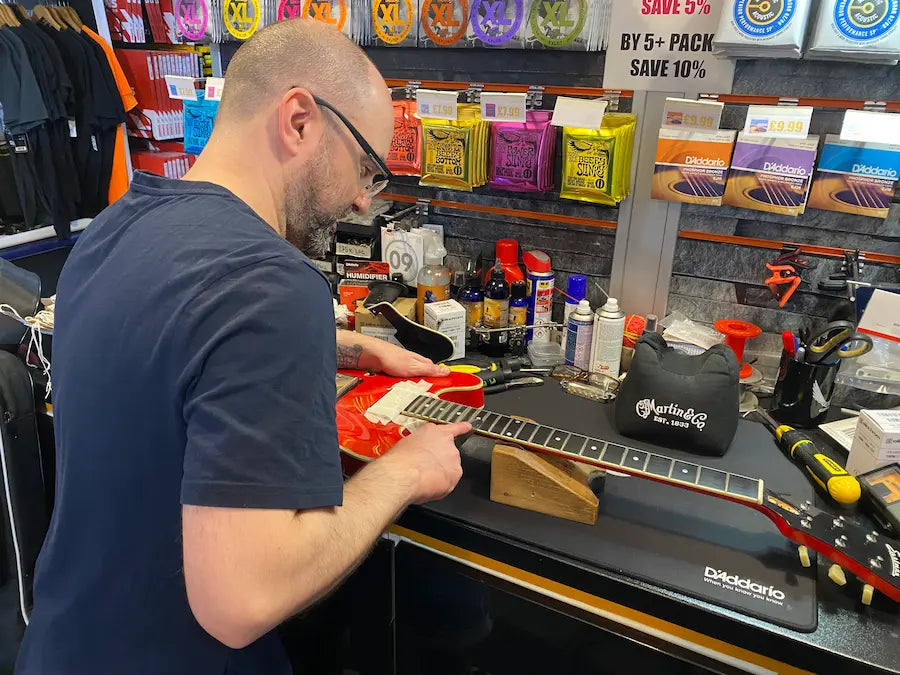
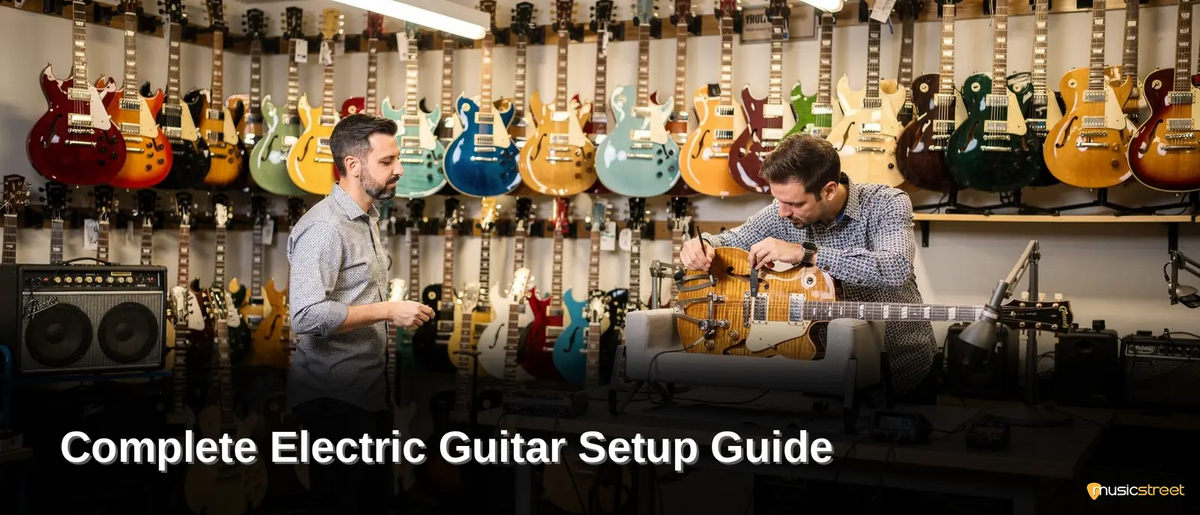
What Is Included in MusicStreet’s Guitar Setup and Inspection?
Every traded or purchased guitar receives:
- Thorough cleaning and fretboard conditioning.
- Neck relief, action and intonation adjustments.
- New strings and electronics check.
- Quality-control playtest before final approval.
These steps guarantee excellent playability from day one.
What Do Customers Say About Trading In Their Guitars at MusicStreet?
“Trading in my Gibson Les Paul was seamless—the team offered more than I expected and my new PRS was set up perfectly.”
“I shipped my Strat online, got a quote within 24 hours and had funds in my account two days later.”
How Does MusicStreet Compare to Other Second Hand Guitar Shops in the UK?
Unlike conventional dealers, MusicStreet delivers:
- Authorised-dealer status for leading brands, ensuring authenticity.
- Detailed condition grading that often yields higher offers.
- Flexible part exchange, cash purchase and consignment options.
This blend of boutique care and expansive selection sets us apart.
What Are the Most Common Questions About Trading In Your Guitar?
Musicians typically ask about maximising value, remote exchange, documentation and timelines. Understanding these points helps you prepare for a smooth trade-in experience.
How Do I Get the Best Value When I Trade In My Guitar?
To secure the highest credit:
- Present a clean, fully functional instrument.
- Include original hard-case, accessories and paperwork.
- Provide clear, recent photos for online appraisals.
These steps demonstrate care, encouraging stronger offers from appraisers.
Can I Part Exchange My Guitar Without Visiting the Store?
Yes, you can complete part exchange remotely by uploading detailed images and descriptions through MusicStreet’s online form. Our specialists will review and supply a competitive quote for your approval.
What Documents Do I Need for Guitar Part Exchange in the UK?
You must bring a valid photographic ID (passport or driving licence) and evidence of ownership such as a purchase receipt or serial-number confirmation. These documents satisfy legal and regulatory requirements.
Can I Sell My Guitar for Cash Instead of Part Exchange?
You can choose a cash purchase if you prefer an immediate payout. MusicStreet assesses the same factors—condition, brand and market demand—but issues a one-off payment rather than store credit.
How Long Does the Trade-in Process Take from Enquiry to Payment?
The full trade-in journey typically spans:
- 24–48 hours for online appraisal.
- 1–2 days for shipping and inspection.
- Same-day payment upon approval for in-store exchanges.
Overall, most transactions conclude within a week, letting you move on to your next instrument quickly.
Trading in or selling your guitar need not be complex—by following this guide you’ll navigate each step with confidence and secure the best possible return on your instrument. Whether you opt for part exchange credit or a straight cash offer, MusicStreet’s transparent process, expert appraisals and workshop setup ensure you get exceptional value and service every time.

Share:
Understanding Acoustic vs. Electric Guitars: Essential Differences for Beginner Musicians Explained
Fender Telecaster vs Stratocaster: Which Is Right for You? | MusicStreet