


Acoustic guitars produce sound through vibrating strings within a hollow body and are ideal for beginners due to their self-contained nature. Electric guitars feature magnetic pickups and require amplifiers, offering easier playability and versatile tone for genres like rock and blues. The best first guitar aligns with your musical preferences, body comfort, and budget, with quality models generally starting at £120 for acoustics and £250 for electrics.
The acoustic guitar is defined as a self-amplifying instrument that produces sound through the vibration of strings resonating within a hollow wooden body, while the electric guitar requires magnetic pickups and an external amplifier to generate its sound. This fundamental difference in sound production shapes everything from playability to price, genre suitability, and how quickly you progress as a beginner. Choosing between an acoustic guitar vs electric guitar is not about which is objectively better. It is about which instrument fits the music you love and the way your hands feel on the strings. Brands like Fender and Gibson dominate the electric world, while Martin and Taylor define acoustic excellence.
What makes acoustic guitars ideal for beginners?
Acoustic guitars produce a warm, resonant sound without any additional equipment. That self-contained quality is one of the strongest acoustic guitar benefits for first-time players. You pick it up, you play. No cables, no amplifier, no settings to wrestle with.
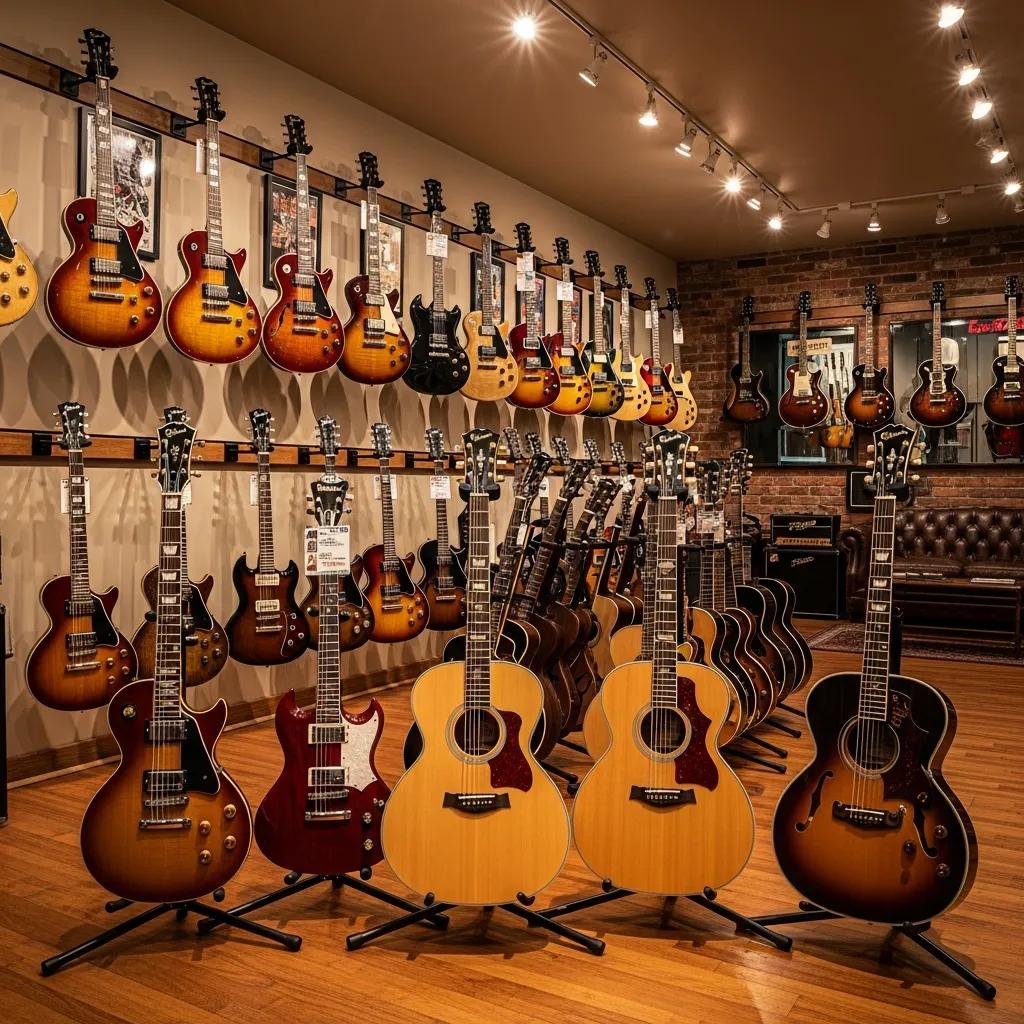
The body shape of an acoustic guitar affects both tone and comfort more than most beginners realise. The three most common acoustic guitar types are:
- Dreadnought (such as the Martin D-28): large body, powerful projection, full bass response. Best for strumming and folk styles.
- Grand Auditorium (such as the Taylor 314): balanced tone with a slightly narrower waist, comfortable for fingerpicking and live performance.
- Parlour: smaller body, quieter output, excellent for players with a smaller frame or those who prioritise comfort over volume.
Body size impacts comfort and sound projection significantly. A parlour or grand auditorium shape is often the smarter starting point for younger players or anyone who finds a full dreadnought unwieldy.
The trade-off is physical effort. Acoustic strings are tighter and sit higher off the fretboard than electric strings. Your fingertips will ache in the first few weeks. That is normal, and it passes. The upside is that the strength and technique you build on an acoustic transfers directly to any guitar you pick up later.
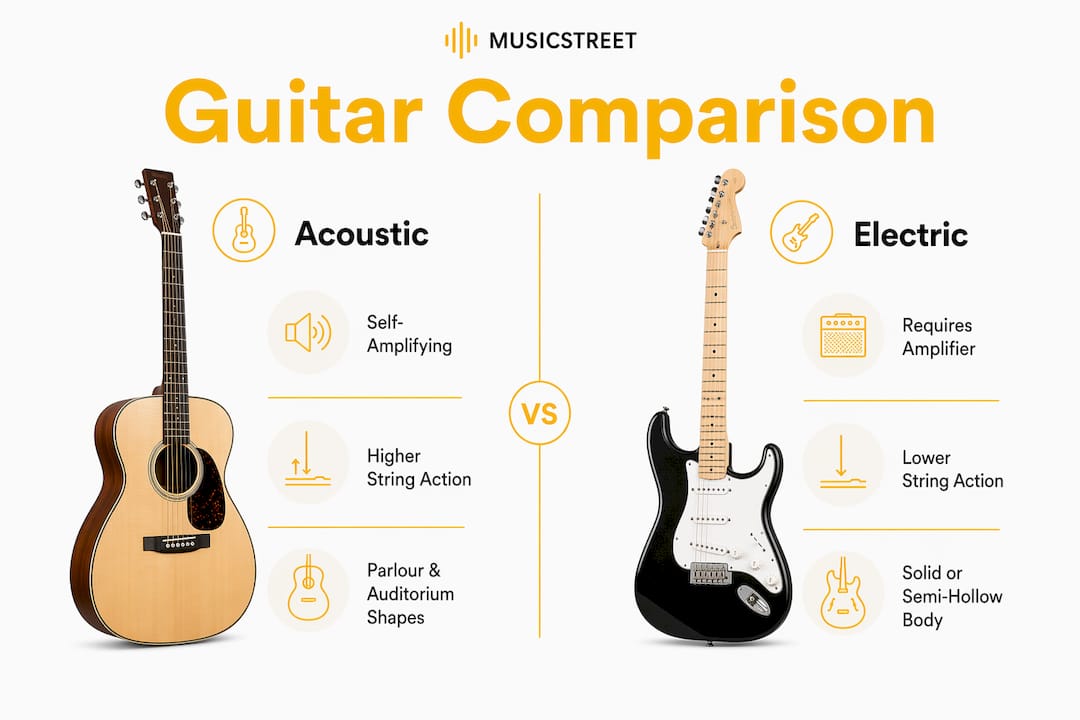
For budget, expect to spend roughly £120–£300 for a quality beginner acoustic. Models in that range from reputable makers offer stable tuning and decent tone without the frustrations of a poorly made instrument.
Pro Tip: Try a grand auditorium or parlour shape before committing to a dreadnought. Many beginners find the narrower waist far more comfortable for long practice sessions.
How do electric guitars differ for new players?
Electric guitars are defined by their solid or semi-hollow bodies and magnetic pickups that convert string vibration into an electrical signal, which an amplifier then projects as sound. This construction changes the playing experience entirely.

The most immediate difference is physical ease. Electric guitars have thinner strings, lower action, and narrower necks, making them noticeably easier to fret in the early stages. Your fingers do not need to press as hard, which reduces the discomfort that causes many beginners to quit.
Key electric guitar features to understand before buying:
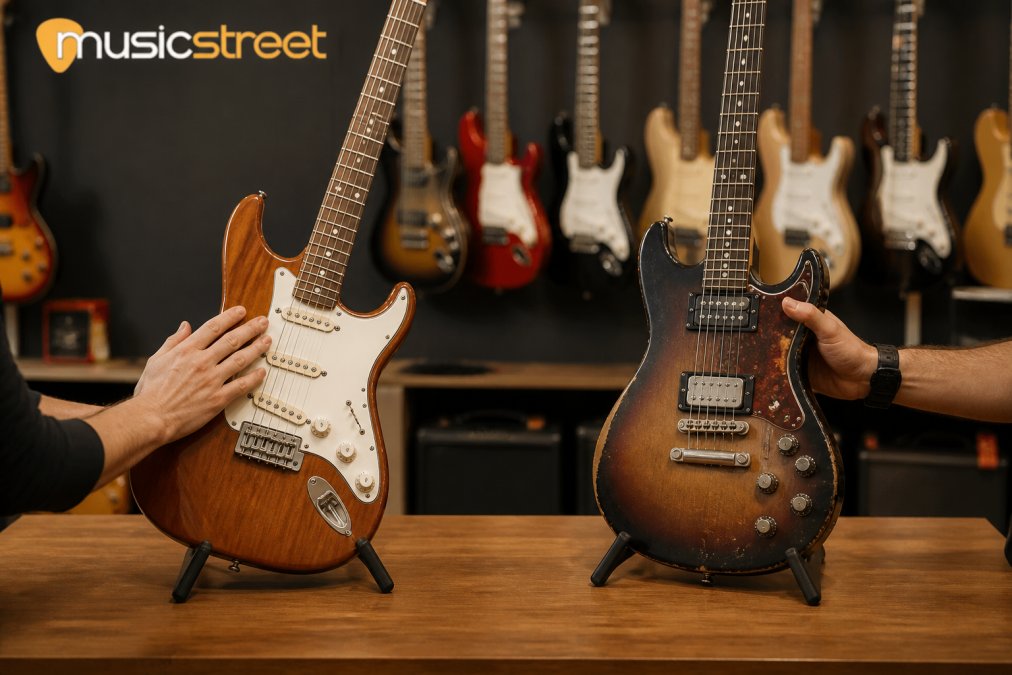
- Pickup configuration: An HSS layout (Humbucker, Single, Single) provides tonal versatility from clean, chiming tones to thicker rock sounds. This is ideal for beginners who want flexibility.
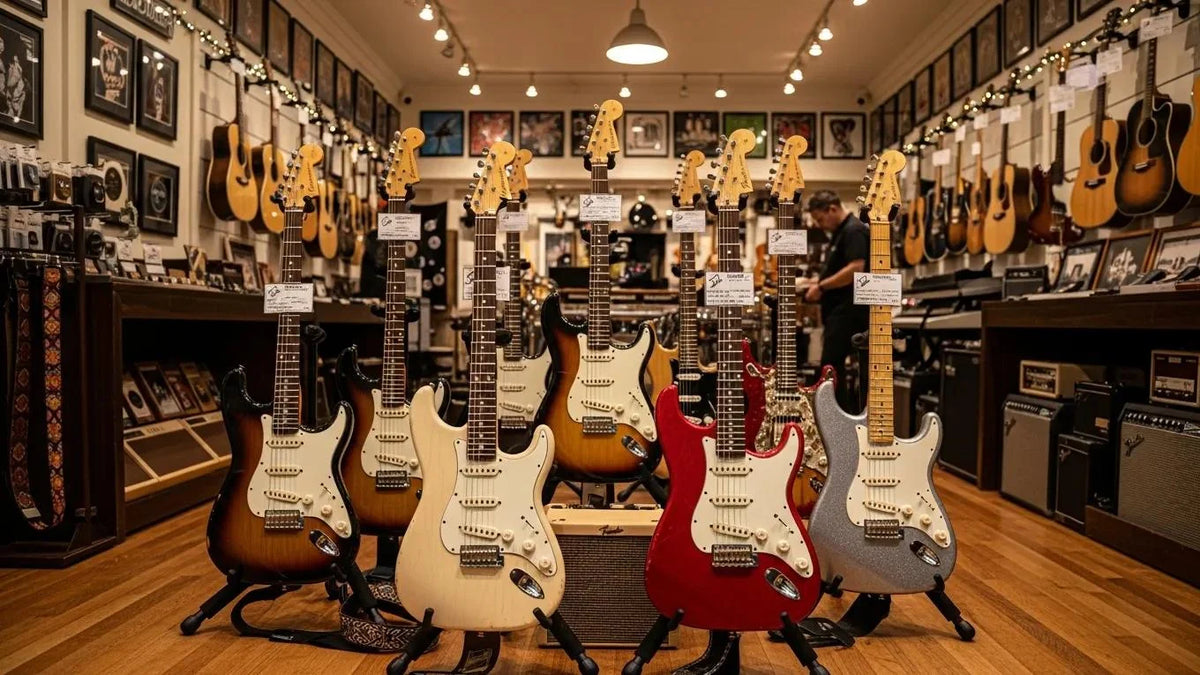
- Bolt-on neck: Found on Strat-style guitars like the Fender Player II Stratocaster and Squier Classic Vibe, this construction offers comfortable playability and is easy to adjust or repair.
- Amplifier requirement: You will need a practice amp, a cable, and ideally a tuner. Budget an additional £80–£150 for a starter amp on top of the guitar cost.
For the guitar itself, a sensible beginner budget sits around £250–£600 for a quality instrument with stable hardware. Investing in quality hardware from the start saves money over time because cheap instruments go out of tune constantly and blunt your motivation.
There is one important caveat with electric guitars. Amplification reveals every mistake clearly, from buzzing strings to muted notes. This demands cleaner technique from the outset, which can feel demanding for a complete beginner. The upside is that it accelerates technical precision if you stick with it.
Pro Tip: Start with a Squier Classic Vibe or Fender Player II Stratocaster with an HSS pickup layout. You get tonal range, comfortable playability, and a guitar that will not limit you as you improve.
How do the two guitars compare in playability?
The difference between guitars in terms of physical playability is one of the most practical factors for a first-time buyer. Here is a direct comparison:
| Factor | Acoustic Guitar | Electric Guitar |
|---|---|---|
| String action | Higher off fretboard | Lower, easier to press |
| String gauge | Heavier, more tension | Lighter, less finger effort |
| Neck width | Wider, more finger spacing | Narrower, easier reach |
| Setup complexity | None, plug-and-play | Requires amp and cable |
| Technique exposure | More forgiving of buzzes | Amplification reveals errors |
| Best for body size | Smaller shapes suit smaller players | Consistent across body types |
Electric guitars are generally easier to play from day one. That physical advantage matters enormously when you are building calluses and learning chord shapes. However, acoustic guitars are more forgiving of imperfect technique because the natural sound masks minor buzzes and muted strings more readily.
Physical comfort is a major factor for beginners, and it directly affects how often you practise. A guitar that hurts to play or feels awkward in your hands will sit in the corner within a month. The best guitar for beginners is the one you actually pick up every day.
Psychological momentum matters too. A complex setup with an amp, cables, and settings to adjust creates friction. Some players thrive on that process. Others find it a barrier. Be honest with yourself about which type you are before you buy.
Which genres suit acoustic vs electric guitars?
Matching your guitar to your musical inspiration is the single most important factor in staying motivated as a beginner. The debate about which guitar is better is meaningless without this context.
Acoustic guitars are the natural home for:
- Folk and country: Open chord strumming and fingerpicking patterns sound rich and full on a dreadnought or grand auditorium.
- Singer-songwriter and pop: Artists from Ed Sheeran to Taylor Swift built careers on acoustic guitars. The instrument rewards simplicity and melody.
- Classical and fingerstyle: Nylon-string classical guitars sit within the acoustic family and suit intricate fingerpicking above all else.
- Unplugged and campfire settings: No power required, no setup. The acoustic guitar is the most portable and social instrument in the guitar family.
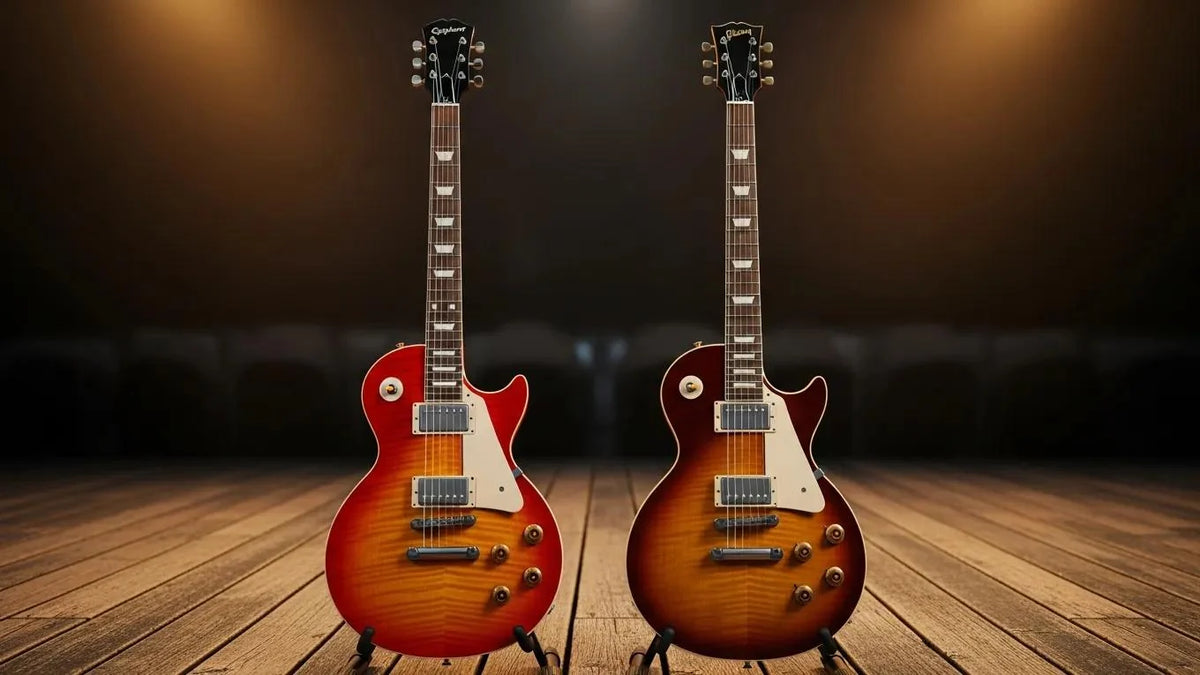
Electric guitars open up a completely different sonic world. Electric guitars suit rock, metal, blues, jazz, and funk through their ability to shape tone with amplifiers, pedals, and effects. A Fender Stratocaster through a clean amp sounds nothing like a Gibson Les Paul through a distortion pedal. That tonal range is the electric guitar’s defining strength.
Acoustic-electric hybrids deserve a mention here. These are acoustic guitars fitted with internal pickups, allowing you to plug into a PA system or amplifier when needed. If you want the natural feel of an acoustic with the option to perform live, an acoustic-electric hybrid is worth serious consideration. They bridge the gap between both worlds without requiring you to own two instruments.
The core principle is straightforward. If you want to play like Jimi Hendrix or learn riffs from Led Zeppelin, buy an electric. If you want to write songs around a campfire or play like Nick Drake, buy an acoustic. Your musical heroes are your best guide.
Key takeaways
The best guitar for a first-time buyer is the one that matches your musical taste, fits your hands comfortably, and stays in tune long enough to build a consistent practice habit.
| Point | Details |
|---|---|
| Sound production differs fundamentally | Acoustics are self-contained; electrics need an amp and cable to produce usable sound. |
| Electric guitars are physically easier | Lower action and lighter strings reduce finger effort, aiding beginners in the early weeks. |
| Genre match drives motivation | Choose acoustic for folk and singer-songwriter styles; choose electric for rock, blues, and metal. |
| Budget accordingly | Quality acoustic beginners start around £120–£300; electric setups including an amp run £330–£750. |
| Playability beats brand prestige | Tuning stability and playability matter more than the name on the headstock for a first guitar. |
The choice nobody tells you about
Here is what I have observed after years of working with first-time guitar buyers: most people already know which guitar they want before they ask the question. They are looking for permission.
The person who grew up listening to Oasis and Nirvana wants an electric guitar. The person who loves Joni Mitchell and Bob Dylan wants an acoustic. The instrument that excites you is almost always the right one. Buying the “sensible” option because someone told you acoustics build better technique is a reliable path to a guitar gathering dust.
That said, there is one piece of advice I give without exception. The best starter guitar is one that is playable, keeps in tune, and helps you build a consistent practice habit. Spend at least £150 on an acoustic or £250 on an electric. Below those thresholds, you are buying frustration. Cheap tuning machines, poor fret work, and high action will convince you that you are bad at guitar when the instrument is actually the problem.
Try before you buy whenever possible. Musicstreet’s physical store in Huntingdon lets you hold and play instruments before committing. That tactile experience tells you more in five minutes than any specification sheet. If you cannot visit in person, read the beginner guitar buying guide to understand what to look for in terms of setup quality and hardware.
One more thing: do not overthink the long-term implications. Many guitarists own both types within a few years. Your first guitar is not a lifetime commitment. It is the instrument that gets you playing.
— Music
Find your first guitar at Musicstreet
Whether you have decided on an acoustic or an electric, Musicstreet stocks a hand-picked selection of guitars from the brands that matter most, including PRS, Gibson, Fender, and Martin. Every instrument is professionally inspected before it reaches you, and the team is available to answer questions before and after your purchase.

New and pre-loved options are available across all budgets, with free UK delivery on qualifying orders and insurance-supported warranties for peace of mind. If you are still weighing up your options, the guitar shopping tips guide covers everything from body shapes to budget planning in plain language. Browse the full range at Musicstreet and find the guitar that will actually get played.
FAQ
Is acoustic or electric guitar easier for beginners?
Electric guitars are generally easier to play physically due to lower string action and lighter gauge strings. However, acoustic guitars require no additional equipment, which simplifies the setup for many beginners.
What should i budget for my first guitar?
A quality beginner acoustic costs roughly £120–£300. For an electric guitar, budget £250–£600 for the guitar itself, plus £80–£150 for a starter amplifier and cable.
Can i learn guitar on an acoustic and switch to electric later?
Yes. The core techniques of fretting, strumming, and chord formation transfer directly between both types. Many players start on acoustic and add an electric once they are comfortable with the basics.
Which guitar suits rock and metal styles?
Electric guitars are the standard choice for rock, metal, blues, and jazz. Models like the yamaha Pacifica, Fender Player II Stratocaster or Squier Classic Vibe with an HSS pickup layout offer the tonal range these genres require.
What is an acoustic-electric guitar?
An acoustic-electric guitar is an acoustic instrument fitted with internal pickups, allowing it to be plugged into an amplifier or PA system. It produces natural acoustic sound unplugged and amplified sound when connected, making it a flexible option for performers.


Share:
How to pick electric guitar strings: your full guide
Guitar websites: your guide to buying, learning, and community