


Choosing a beginner guitar depends on your musical style, comfort, and ease of play, which influence practice consistency. Electric guitars are more forgiving physically, while acoustic and classical models suit different musical genres and preferences, especially considering fretboard width and string tension. Testing instruments in person ensures a perfect fit, proper setup, and encourages confidence, helping beginners develop their skills effectively from the start.
Selecting the right beginner guitar is defined by three factors: your musical style, the physical comfort of the instrument, and how easy it is to play from day one. Get these right and you will practise consistently. Get them wrong and the guitar collects dust within a month. The differences between acoustic, electric, and classical guitars are not just tonal. They directly affect how much your fingers hurt, how quickly you form chords, and whether you stay motivated long enough to improve. This guide walks you through every decision you need to make, in the order you need to make it.
How to select a guitar for beginners: matching type to musical goal
Matching your guitar type to the music you love is the strongest predictor of consistent practice and long-term motivation. This is not a soft suggestion. It is the single most important decision in your guitar buying guide, and it should come before you consider price, brand, or colour.
There are three main beginner guitar types, each with distinct playability characteristics.
-
Acoustic steel-string guitars are portable, require no amplifier, and suit folk, country, pop, and singer-songwriter styles. Steel strings produce a bright, resonant tone that carries well unplugged. The trade-off is that steel strings are harder on fingertips initially, and acoustic guitars typically have higher string action than electric models, meaning more finger pressure is needed to fret notes cleanly.
-
Electric guitars are widely considered the more physically forgiving option for new players. Lower string tension and easier string action make chord formation less demanding on the fingers. Electric guitars suit rock, blues, metal, and jazz. The additional cost of an amplifier is worth factoring into your budget from the start.
-
Classical nylon-string guitars offer the softest strings of the three types, which reduces finger discomfort significantly in the early weeks. However, nylon-string fretboards are noticeably wider than steel-string necks, which can challenge players with smaller hands. Classical guitars suit fingerstyle playing, Spanish music, and formal music education settings.
Pro Tip: If you are genuinely torn between acoustic and electric, ask yourself which artists you want to sound like. Jimi Hendrix, Eric Clapton, and David Bowie’s lead guitarists all played electric. Taylor Swift and Ed Sheeran built careers on acoustic. Your answer tells you everything.
The deeper comparison between classical and acoustic guitars is worth reading before you commit, particularly if you are drawn to fingerstyle or classical repertoire.
How to find the right guitar size and ergonomic fit
Body size and scale length are not cosmetic choices. They determine whether you can hold the instrument comfortably for 30 minutes without tension building in your shoulder, wrist, or fretting hand.

Body shapes and what they mean for beginners
The dreadnought is the most common acoustic body shape, but dreadnought acoustics are often uncomfortable for beginners because the large body creates awkward arm positioning and tension across the strumming shoulder. Concert and parlour body shapes sit closer to the body, allow a more natural arm position, and are considerably easier to manage for players of average build. For children, smaller adults, or anyone who finds a full-size guitar unwieldy, a 3/4 size guitar is a practical and legitimate choice rather than a compromise.
Scale length and neck profile
Scale length is the distance from the nut to the bridge saddle, and it directly affects string tension and the stretch required between frets. A shorter scale length, such as the 628mm used on many parlour acoustics, reduces tension and makes chord shapes physically easier to hold. Longer scale lengths, common on dreadnoughts and many electric guitars, require slightly more finger reach between frets. Neck profile refers to the cross-sectional shape of the neck. A slimmer C-profile neck suits players with smaller hands, while a chunkier D-profile offers more support for larger hands during extended practice sessions.
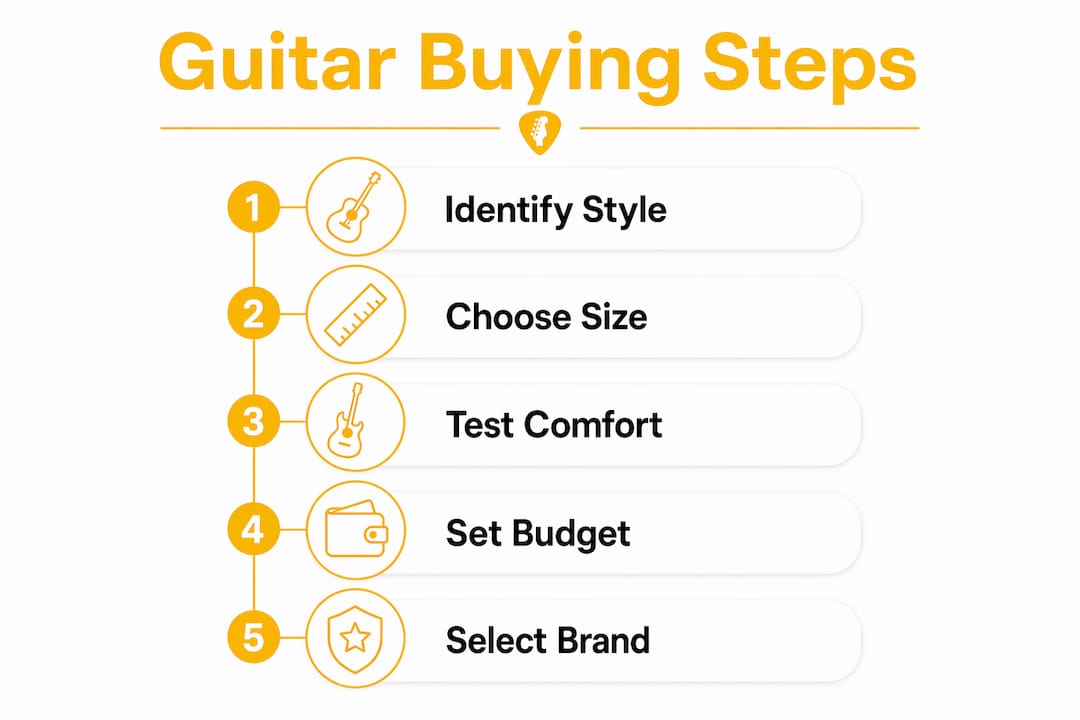
Pro Tip: When you visit a shop, sit down with the guitar before you play a single note. Hold it in playing position and notice whether your strumming arm sits naturally over the body. If you are fighting the instrument before you have even played it, move on to a different shape.
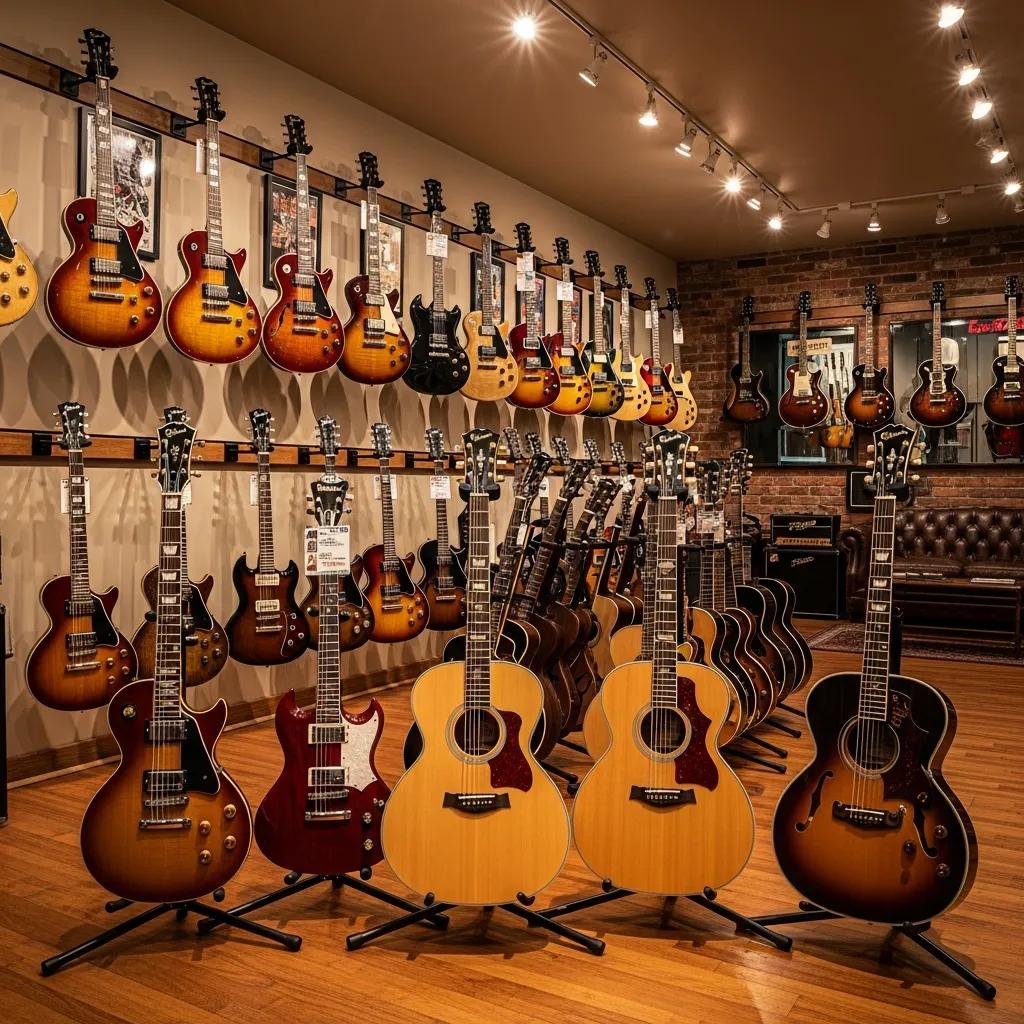
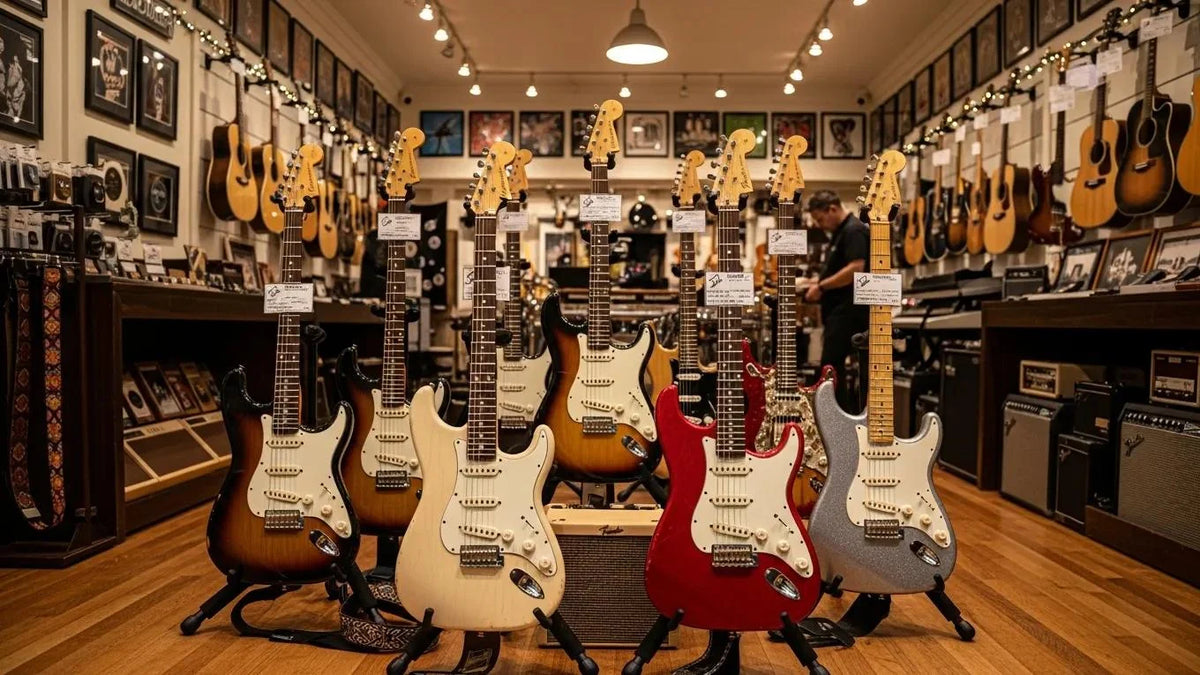
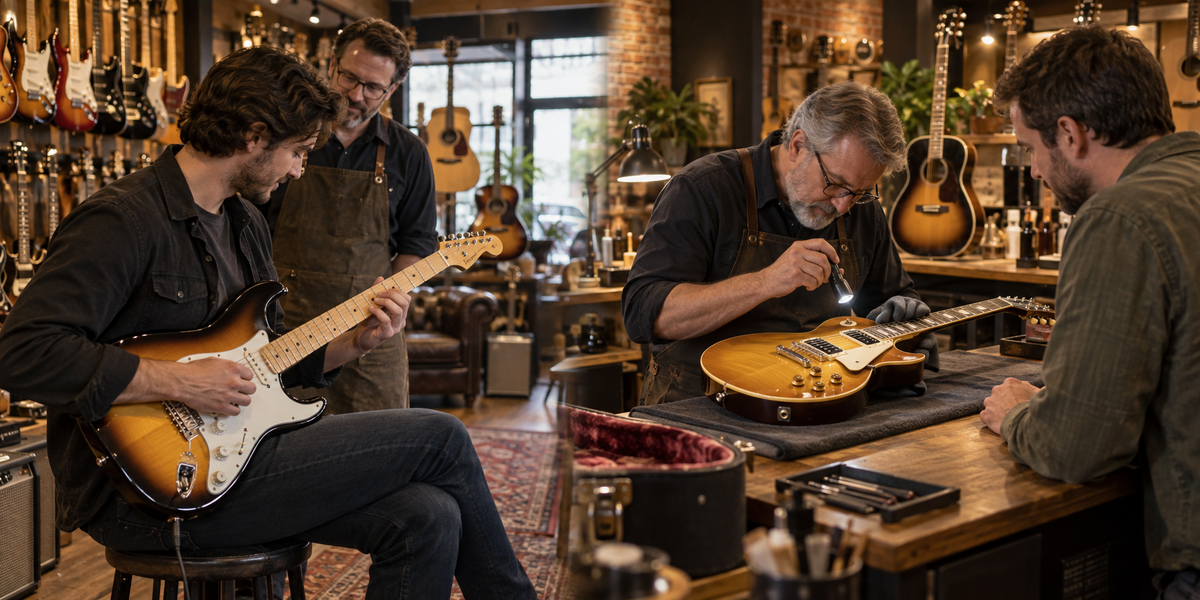
Trying guitars in person and testing ease of chord formation is critical to finding a comfortable and motivating instrument. Hands-on interaction prevents the mismatch of size and feel that online purchases alone cannot guarantee.
What playability factors must beginners check before buying?
Playability is the technical term for how easy and enjoyable a guitar is to play. For beginners, it matters more than brand name, finish, or the number of accessories included in a bundle.
-
Check the action first. Action refers to the height of the strings above the fretboard. Low and comfortable action is the single most important playability factor for beginners. High action forces you to press harder to fret notes, causes finger pain, and shortens practice sessions. A well-set-up guitar with low action dramatically reduces the rate at which beginners give up.
-
Test for fret buzz and dead notes. Press each string at several points along the neck and listen for buzzing or notes that do not ring clearly. Some fret buzz on the lowest frets is acceptable at very low action, but dead notes or buzzing throughout the neck indicate poor manufacturing or a neck that needs adjustment.
-
Assess tuning stability. Play the guitar for five minutes, then check whether it has drifted out of tune. Good tuning machines with a higher gear ratio hold tuning more precisely and are far less frustrating for beginners who are still developing their ear. Slipping tuners are a common and avoidable source of discouragement.
-
Ask about the setup. A professional guitar setup involves adjusting the action, intonation, and nut slots to optimise playability for the player. Many guitars sold in shops have never been set up from the factory. Ask directly whether the guitar has been professionally set up. At Musicstreet, every instrument is inspected and set up before it reaches the customer, which is a meaningful advantage over buying blind online.
-
Play a chord you know, or ask someone in the shop to play one. Listen for clarity across all strings. A chord that sounds muddy or uneven on a new guitar is a warning sign, not something that will improve with practice.
How to set a realistic budget and avoid common buying mistakes
The recommended budget for a reliable beginner guitar sits between £200 and £400. Guitars in this range offer consistent quality control, better tuning machines, and playability that supports genuine progress. Cheaper models exist, but inconsistency in manufacturing means you may receive an instrument that is genuinely difficult to play regardless of your effort.
The most common beginner buying mistake is purchasing a cheap starter pack. These bundles typically include a guitar, a small amplifier, a strap, picks, and a bag, all for under £100. The appeal is obvious. The problem is that cheap beginner packs frequently have poor quality control, resulting in high action and tuning instability that cannot be fixed without spending more money than the guitar is worth. Many beginners who quit in the first three months do so because their instrument was working against them, not because they lacked talent or commitment.
- Spend your budget on the guitar itself. A well-set-up guitar in the £200 to £300 range will outperform a £400 bundle guitar that has never been adjusted.
- Buy accessories separately and gradually. A decent tuner, a spare set of strings, and a basic strap are all you need to start. A clip-on tuner from a reputable brand costs under £15 and does the job reliably.
- Avoid buying purely on aesthetics. A guitar that looks impressive but plays poorly will not motivate you to practise. A guitar that feels good in your hands will.
- Consider pre-owned instruments from a trusted source. A pre-loved guitar that has been professionally inspected and set up can offer exceptional value at a lower price point than a new equivalent.
For a detailed breakdown of what to look for specifically in an acoustic instrument, the first acoustic guitar guide from Musicstreet covers size, tone, and comfort in practical depth.
Key takeaways
The best beginner guitar is the one that matches your musical style, fits your body comfortably, and has been properly set up with low action and stable tuning.
| Point | Details |
|---|---|
| Match type to musical style | Choose acoustic, electric, or classical based on the music you actually want to play. |
| Prioritise body size and fit | Smaller body shapes like concert or parlour are more comfortable for most beginners than dreadnoughts. |
| Action is the critical factor | Low string action reduces finger pain and keeps beginners practising longer. |
| Budget £200 to £400 | This range delivers consistent quality; avoid cheap bundles with poor setup and tuning issues. |
| Always test in person | Playing the guitar before buying prevents mismatches in size, feel, and playability. |
What I have learned from watching beginners choose their first guitar
After years of working with first-time buyers, the pattern I see most often is this: the beginner who picks the guitar that genuinely excites them practises every day. The beginner who picks the sensible, affordable option because it seemed responsible often stops within six weeks.
That does not mean you should overspend. It means the emotional connection to the instrument matters more than most buying guides admit. If you walk into a shop and one guitar makes you want to pick it up immediately, that instinct is worth paying attention to.
The second thing I have learned is that setup quality separates good experiences from bad ones far more than brand name does. I have seen players struggle for months on a well-known brand guitar that had never been adjusted, and I have seen beginners thrive on modest instruments that were set up properly before they left the shop. A guitar that fights you in the first week will not get easier. A guitar that feels natural from the start builds confidence quickly.
My honest advice: avoid the cheapest bundles entirely. The short-term saving is not worth the long-term discouragement. Spend a little more, buy from someone who has actually looked at the instrument, and choose the guitar that makes you want to play it before you have even learned a chord.
— Music
Find your first guitar at Musicstreet

Musicstreet stocks a carefully selected range of beginner guitars across acoustic, electric, and classical styles, covering a variety of body sizes and budgets from £200 upwards. Every instrument sold through Musicstreet is professionally inspected and set up before dispatch, so the guitar you receive is ready to play from the moment you open the case. The team at the Huntingdon store is available to offer personal guidance whether you are shopping in person or online. Free UK delivery is available on qualifying orders. Browse the full range at Musicstreet and find an instrument that suits your style, your hands, and your goals.
FAQ
What is the best guitar type for an absolute beginner?
There is no single best type. Electric guitars are physically easier to play due to lower string tension and action, while acoustic guitars require no amplifier and suit folk and singer-songwriter styles. Choose based on the music you want to play.
How much should a beginner spend on their first guitar?
A budget of £200 to £400 is the recommended range for a reliable beginner guitar with consistent quality and good playability. Cheaper models often have high action and tuning issues that discourage practice.
Does guitar size matter for beginners?
Yes. Larger body shapes like the dreadnought can cause tension and awkward positioning for new players. Concert, parlour, and 3/4 size guitars are more ergonomic choices for most beginners, particularly those with smaller frames or hands.
What is guitar action and why does it matter?
Action is the height of the strings above the fretboard. Low action means less finger pressure is needed to fret notes cleanly, which reduces pain and makes practice more enjoyable. High action is the most common reason beginners find playing difficult.
Should I buy a beginner guitar bundle or separate accessories?
Buying accessories separately is the better approach. Cheap bundles often sacrifice guitar quality to include extras, resulting in an instrument with poor setup and tuning stability. Spend your budget on the guitar itself and add accessories gradually.




Share:
Bass guitar brands list: top picks for 2026
What does Stratocaster mean? The definitive answer