


Mastering Hendrix's Iconic Sound
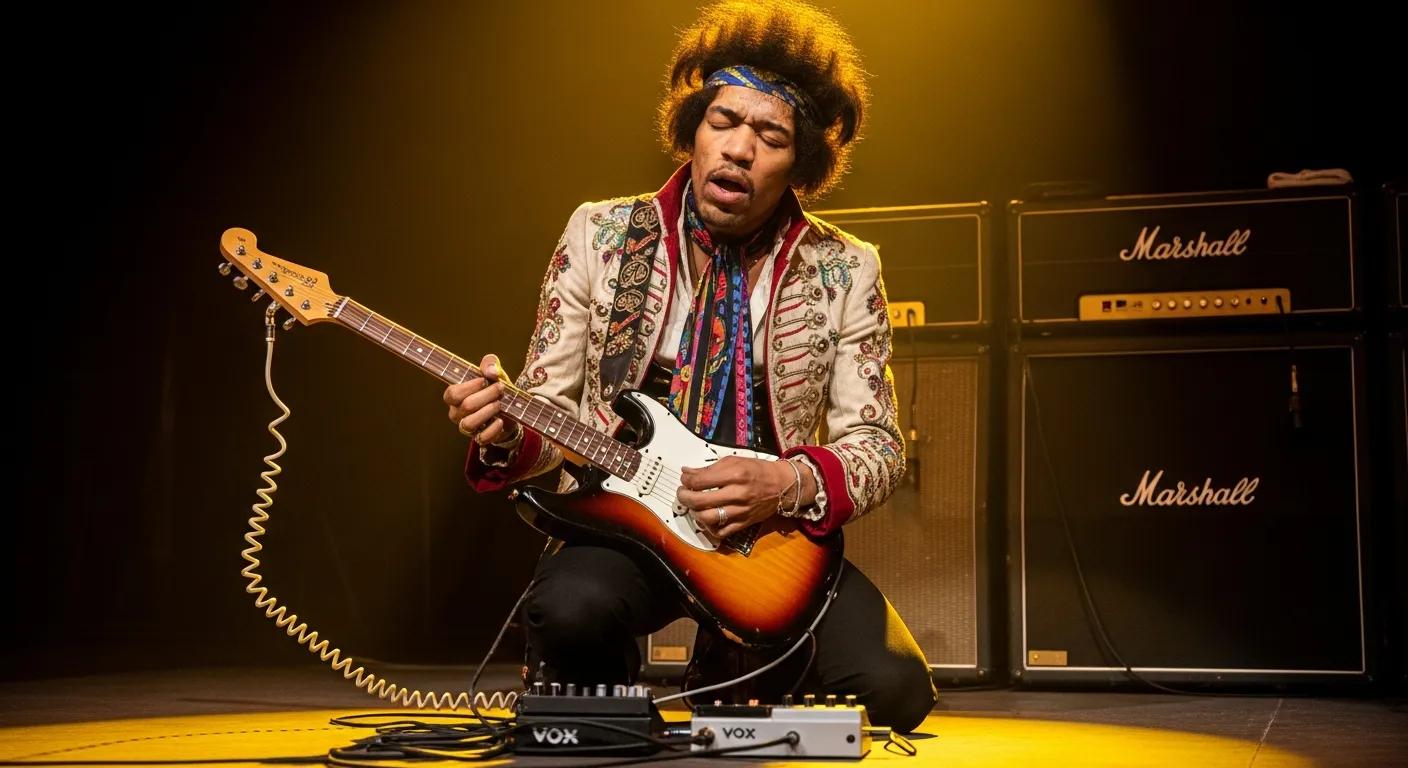
Jimi Hendrix is still one of the most influential guitarists in modern music. This piece looks closely at the kit he relied on, the techniques he pioneered and the legacy he left behind. You’ll learn how his choice of guitars, amps and effects helped shape that unmistakable tone — and how contemporary players can approach recreating it. Many aspiring guitarists find Hendrix’s sound elusive, but understanding his gear choices and techniques provides a clear path toward that legendary voice on the instrument. We’ll cover the guitars he favoured, the amplifiers and pedals that coloured his tone, his groundbreaking playing methods and the ways his influence keeps surfacing in today’s music.
What guitars did Jimi Hendrix use to create his legendary tone?
The guitars Hendrix chose were central to his sound. Most famously he played Fender Stratocasters — instruments that became almost synonymous with his music. The Strat’s design and tonal character let him move from crystalline cleans to saturated grit with ease. Hendrix also altered his setups at times — using different string gauges, tweaking pickup heights and occasionally swapping pickups — all small choices that helped him carve a signature tone that was both powerful and expressive.
How did the Fender Stratocaster shape Hendrix's sound?
The Stratocaster is celebrated for its bright, bell‑like highs and comfortable playability, traits that suited Hendrix perfectly. Its trio of single‑coil pickups gave him a wide tonal palette, from glassy cleans to aggressive overdrive. Tracks like "Purple Haze" and "Little Wing" show how versatile the Strat could be in his hands. Hendrix also personalised his setup — adjusting pickup height or string gauge — and those tweaks played a big part in the nuances of his sound.
What other guitars did Hendrix play and why?
Beyond the Strat, Hendrix used several other guitars over his career. The Gibson Flying V, known for its thicker, warmer voice, turned up in live settings where he wanted a different texture. He also used a Fender Jazzmaster, with its distinct switching and feel, for certain recordings. Each guitar brought its own tonal fingerprint, and Hendrix picked instruments that gave him fresh sonic options to express himself.
Which amplifiers and effects pedals defined Jimi Hendrix's gear setup?
Hendrix’s tone wasn’t just about guitars — his amps and pedals were crucial, too. Chief among them was the Marshall stack, which helped deliver the volume and harmonic richness he relied on. Pushing those amps hard let him expand the electric guitar’s expressive range and create the raw, energetic performances he was famous for.
How did Marshall amplifiers contribute to Hendrix's powerful tone?
Marshall amps were a key component in Hendrix’s sonic toolkit, supplying the headroom and saturation that defined much of his work. Early Marshalls like the JTM45 and later models gave him a thick, harmonically rich overdrive that suited his attack and phrasing. Their ability to be driven loud without collapsing into mud meant Hendrix could exploit feedback and sustain while keeping clarity — the interaction between his Strat and a Marshall stack was central to his signature sound.
What role did signature pedals like Fuzz Face, Wah, Uni‑Vibe, and Octavia play?
Hendrix used effects creatively, integrating them into both solos and textures. The Dallas Arbiter Fuzz Face provided the chunky, compressed distortion on tracks such as "Foxy Lady." A wah pedal let him shape frequency and add vocal‑like expression to solos. The Uni‑Vibe produced that shimmering, warbling modulation heard on pieces like "Voodoo Child (Slight Return)," and the Octavia — with its octave‑up voicing — famously coloured sounds on "Purple Haze." Each pedal added a distinct layer to his tone and showed how inventive sound design could expand musical possibilities.
What revolutionary guitar techniques did Jimi Hendrix pioneer?
Hendrix was as much a technician as a tone sculptor — his approaches to feedback, bending and chordal playing reshaped how the guitar could be used. Those techniques let him convey emotion and build sonic landscapes that were previously rare in rock and blues.
How did Hendrix master controlled feedback and sustain?
Controlled feedback became one of Hendrix’s signature tools for creating sustained, singing tones. He used proximity to the amp and precise positioning to generate and steer feedback, turning what many considered unwanted noise into expressive material. Moments like his rendition of "The Star‑Spangled Banner" demonstrate how he used feedback not just as effect but as a dramatic, emotionally charged statement.
What are the key vibrato, string bending, and chordal playing methods Hendrix used?
Hendrix’s vibrato was wide and emotive, adding depth to single‑note lines. His string bends reached for notes that conveyed yearning and intensity. On the rhythm side, his chordal approach — heard in songs like "Hey Joe" — blended rhythmic drive with melodic fills, letting him blur the lines between lead and accompaniment. These techniques became blueprints for countless guitarists who followed.
How has Jimi Hendrix influenced modern guitarists and music genres?
Hendrix’s reach extends well beyond his era: his innovations helped reshape rock, blues and psychedelic music and continue to inform players across genres. His approach to tone, effects and technique opened doors for generations of musicians.
In what ways did Hendrix shape rock, blues, and psychedelic music?
By fusing rock energy with deep blues feeling and exploratory psychedelic textures, Hendrix created a sound that felt both grounded and adventurous. He pushed the guitar into new expressive terrain, using studio and live techniques to tell stories in sound. Recordings like "All Along the Watchtower" highlight his ability to blend songcraft with inventive guitar work, influencing artists across musical styles.
Which contemporary artists cite Hendrix as a major influence?
Numerous modern artists acknowledge Hendrix’s impact — figures such as John Mayer, Gary Clark Jr. and Lenny Kravitz have all pointed to him as a touchstone. These musicians have absorbed elements of his phrasing, tone and adventurous spirit, showing how his influence keeps feeding fresh creativity today.
How can musicians build a Jimi Hendrix inspired rig today?
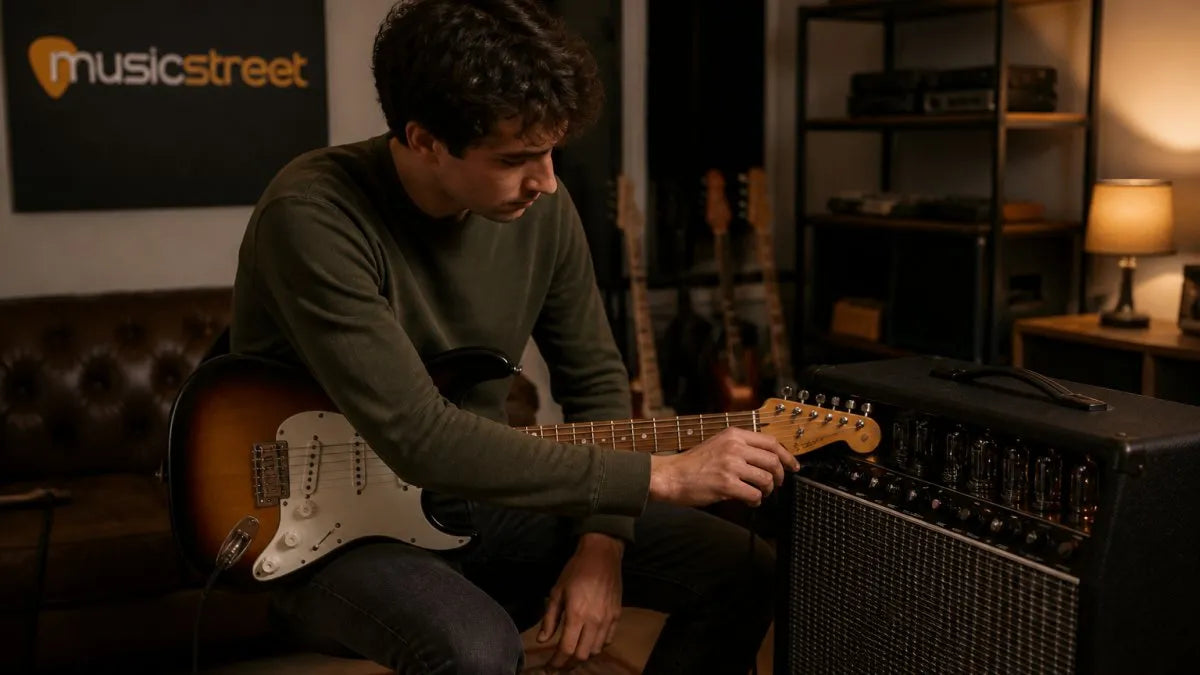
If you want to chase Hendrix’s essence, assembling a rig that mirrors his choices is a practical first step. That means picking guitars, amps and effects that respond in similar ways.
What modern gear replicates Hendrix's classic sound?
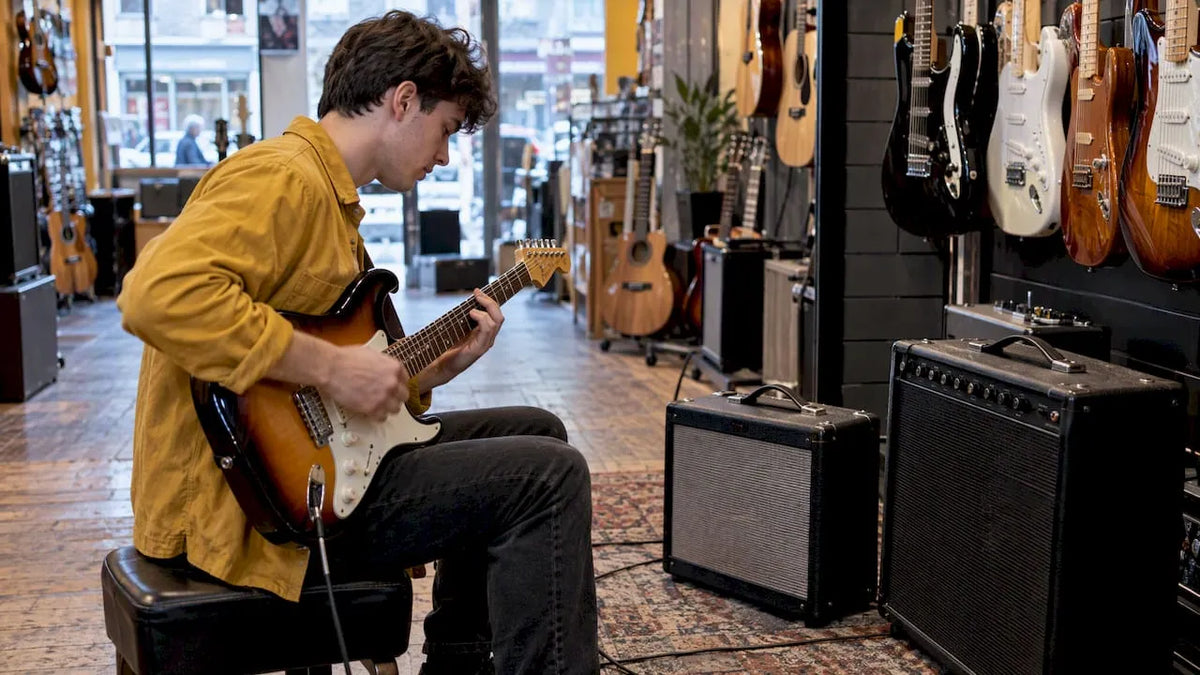
There are modern instruments and kit that capture the spirit of Hendrix’s setup. Fender still makes Stratocaster models and signature variants that reflect his modifications, while Marshall continues to produce amps that deliver the same punch and character. Pedals such as Dunlop’s Cry Baby wah and faithful Fuzz Face reissues help nail those classic textures. Choosing quality, period‑informed gear makes it far easier to approach an authentic Hendrix‑inspired tone.
How to assemble and set up a Hendrix-style guitar signal chain?
A straightforward Hendrix‑style chain starts with a Stratocaster, into a fuzz unit, then a wah, and finally a Marshall‑style amp dialled for saturation. Tweak pedal order and placement to taste — small adjustments to pickup height, string gauge and amp voicing are where the magic happens. Keep your guitar well set up and experiment with proximity to the amp to explore feedback and sustain; that hands‑on approach will get you closest to the sonic playground Hendrix inhabited.

Share:
Fingerpicking Techniques
Discover Eric Clapton's Iconic Guitars and Blues Style